
Air Source Heat Pump Costs in Exeter: A 2026 Price Guide
If you've been pricing up an air source heat pump for an Exeter home, you'll have seen numbers all over the place - anywhere from £5,000 to £18,000 depending on who you ask. Here's the honest picture for 2026: a typical air source heat pump installation in Exeter costs £8,000 - £15,000 before support, and the government's Boiler Upgrade Scheme knocks £7,500 off that. So most Exeter homeowners end up paying £500 - £7,500 out of pocket - often less than a like-for-like oil boiler swap. The spread in quotes isn't installers plucking numbers out of the air. It comes down to your house: a 1990s three-bed on the Pinhoe side is a very different job from a Victorian terrace off Magdalen Road or a cob cottage out towards Ide. This guide breaks down what actually drives the price in Exeter, and where the money goes.
What an Air Source Heat Pump Costs in Exeter in 2026
For a straightforward installation - a well-insulated three-bed with existing radiators that mostly work at lower flow temperatures - expect quotes around £8,000 - £10,500 before the grant. A larger or older property needing a bigger unit, a new hot water cylinder, and several radiator upgrades pushes towards £12,000 - £15,000.
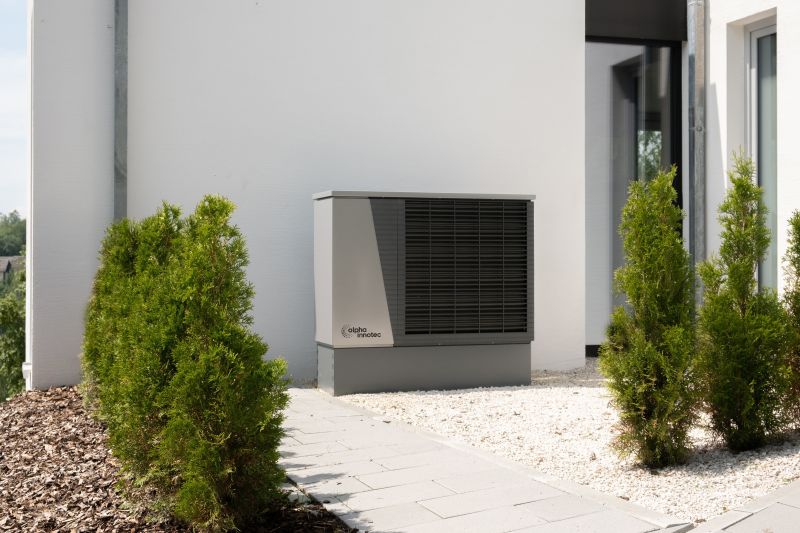
The heat pump unit itself is usually only 40-50% of the bill. A quality 8-12kW unit costs £3,500 - £6,000. The rest is the cylinder (£1,000 - £2,000), radiator or pipework changes, labour, and system commissioning. That's why two neighbours with the same heat pump can pay wildly different totals.
If you want a number for your actual house rather than a range, Green Home Boilers & Heat Pumps surveys and installs across Exeter and the wider Devon area, and a proper heat loss survey is the only quote worth trusting.
The £7,500 Boiler Upgrade Scheme Grant
The single biggest number in any 2026 heat pump quote is the grant. The Boiler Upgrade Scheme on gov.uk gives £7,500 towards an air source heat pump for eligible homes in England and Wales, and your MCS-certified installer applies for it on your behalf - the discount comes straight off your invoice.
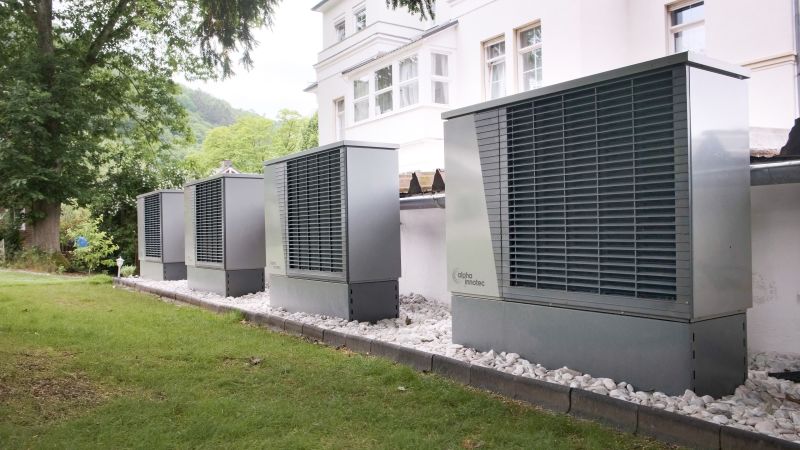
Take a mid-range £11,000 Exeter installation. After the grant, you pay £3,500. A new gas boiler in Exeter typically costs £2,500 - £4,500 installed, so the gap between "new boiler" and "heat pump" has more or less closed for many properties.
Who qualifies in Exeter
The main conditions: you own the property, you're replacing a fossil fuel system (gas, oil, or LPG), and the installation is done by an MCS-certified installer. Most Exeter homes qualify. The old requirement to clear every loft insulation recommendation on your EPC was dropped, which removed the most common stumbling block.
Why Your Exeter Property Changes the Price
Exeter's housing stock is unusually varied for a city of 130,000 people, and it matters for pricing. Post-war and modern estates in areas like Whipton, Beacon Heath, and the newer developments around Monkerton are the cheap end - cavity walls, decent insulation, radiators that often need little or no upgrading.

Victorian and Edwardian terraces around St Leonard's, Heavitree, and Mount Pleasant sit in the middle. Solid brick walls lose more heat, so you may need a slightly larger unit (adding £500 - £1,000) and typically 3-6 radiator upgrades at £150 - £300 each.
Cob, stone, and rural properties
Head out to the villages around Exeter and you hit Devon's traditional cob and stone housing - some of the oldest building stock in England. These homes can absolutely run on heat pumps, but the heat loss survey becomes critical. Interestingly, thick cob walls have decent thermal mass, and many of these properties are off the gas grid and burning oil at 8-10p per kWh of heat - which makes them some of the strongest financial cases for switching in the whole county.
Running Costs: What Exeter's Climate Does for You
This is where Exeter homeowners get a genuine advantage. Air source heat pump efficiency depends on outdoor air temperature, and Exeter's winters are mild - average January lows of around 3-4°C, and 2-3°C warmer through winter than the Midlands or the North. Hard frosts are relatively rare, and it's the sub-zero days that dent heat pump efficiency.

A well-installed heat pump in Exeter should achieve a seasonal efficiency (SCOP) of 3.5 - 4.0, meaning every 1 kWh of electricity delivers 3.5 - 4 kWh of heat. For a typical three-bed using around 10,000 kWh of heat a year, that's roughly 2,600 - 2,900 kWh of electricity - in the region of £700 - £850 a year on a standard tariff, and noticeably less on a heat pump tariff. The Energy Saving Trust's air source heat pump guidance has good independent figures if you want to sanity-check any installer's claims.
We've covered cold-weather performance in more detail in our guide to how air source heat pumps handle Devon winters, if the "do they work when it's cold" question is the one nagging at you.
Finding an MCS Installer in Exeter
The grant only works with an MCS-certified installer, so this isn't optional. The good news: Devon has a healthy and growing supply of certified heat pump installers - the South West has been one of the faster-growing regions for MCS certifications, helped by strong off-grid demand. You shouldn't face the months-long waits reported in some parts of the UK, though the best local firms do book up 4-8 weeks ahead in autumn.
You can verify any installer's certification directly on the MCS certified installer search. Worth two minutes of your time - certification is what stands behind your grant, your warranty, and your system performance guarantee.
What a good quote should include
A proper quote follows a room-by-room heat loss calculation, not a guess based on bedroom count. It should specify the unit size in kW, list every radiator being changed, include the cylinder, and show the £7,500 grant as a line-item deduction. If a quote arrives after a ten-minute walkround, get another one.
Hidden Costs and Things Quotes Miss
A few items catch Exeter homeowners out. If your hot water cylinder was removed when a combi boiler went in (common in terraces where space is tight), you'll need a new one - £1,000 - £2,000 including cylinder and labour. Older microbore pipework (8-10mm, common in 1970s-80s builds) sometimes needs partial replacement, adding £500 - £1,500.
Electrical work is the other one. Most heat pumps need their own circuit, and some older Exeter properties need a consumer unit upgrade at £500 - £800. None of these are dealbreakers, but they're the difference between the £8,000 quote and the £12,000 one - so ask about them upfront.
Planning permission is rarely an issue: heat pumps are permitted development for most homes, with standard conditions on siting. Listed buildings and conservation areas (Exeter has several) need a conversation with the council first, but installations in both happen routinely.
Is 2026 the Right Time to Buy in Exeter?
My honest take: if your boiler is over 12 years old or you're on oil, yes. The £7,500 grant is generous by any historical standard and government funding rounds don't last forever - the scheme's budget has been extended, but the smart money uses it while it's confirmed. Oil-heated homes around Exeter are the clearest wins: oil prices have been volatile for years, while a heat pump at SCOP 3.5+ delivers heat at roughly 7-8p per kWh.

If your gas boiler is five years old and running fine, there's less urgency. Run it, plan ahead, and get a heat loss survey done in the meantime so you know your number when the time comes.
---
FAQ
Q: How much does an air source heat pump cost in Exeter after the grant?
A: Most Exeter installations cost £8,000 - £15,000 before support. With the £7,500 Boiler Upgrade Scheme grant, the typical out-of-pocket cost is £500 - £7,500, with straightforward three-bed installations often landing around £2,500 - £4,000.
Q: Do air source heat pumps work well in Exeter's climate?
A: Yes - better than in most of the UK. Exeter's mild winters, with January lows around 3-4°C and few hard frosts, keep heat pumps in their efficient operating range for more of the year. A well-installed system should achieve a SCOP of 3.5 - 4.0.
Q: Can older Exeter properties like Victorian terraces or cob cottages have heat pumps?
A: Yes, with a proper heat loss survey. Victorian terraces typically need some radiator upgrades and occasionally a larger unit. Cob and stone properties need careful specification, but many are off the gas grid on expensive oil heating, which makes them some of the strongest financial cases for switching.
Q: Do I need an MCS installer to get the £7,500 grant?
A: Yes. The Boiler Upgrade Scheme grant is only available through MCS-certified installers, who apply on your behalf and deduct the £7,500 from your invoice. Devon has a good supply of certified installers, though popular firms book up 4-8 weeks ahead in autumn.
---
You might also like