
Solar Thermal vs Air Source Heat Pump in Devon: Which Makes More Sense?
Solar thermal and air source heat pumps are both presented as low-carbon heating options, and both qualify for some form of government support. Beyond that, they're very different technologies solving different parts of the heating problem - and in Devon's climate, the case for each is different from what you might read in generic guidance aimed at the whole of the UK.
This is a comparison that often gets muddled because the two get grouped together as "renewables" when they operate in fundamentally different ways and suit different household circumstances.
What Each Technology Actually Does
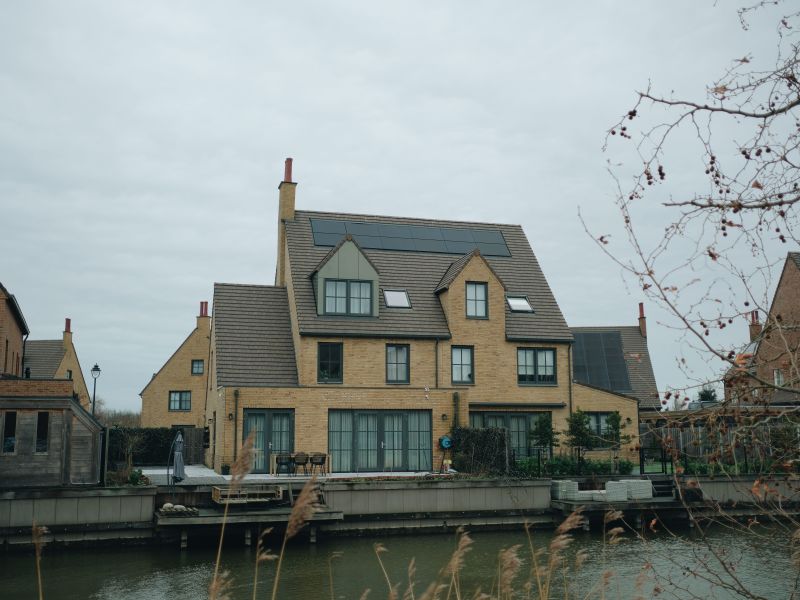
Solar thermal uses roof-mounted collectors to capture heat from sunlight - not just direct sun, but diffuse light on overcast days - and transfers that heat to a hot water cylinder. It produces domestic hot water, not space heating. A well-specified solar thermal system in Devon can meet 50-70% of a household's annual hot water demand. What it doesn't do is heat the house.
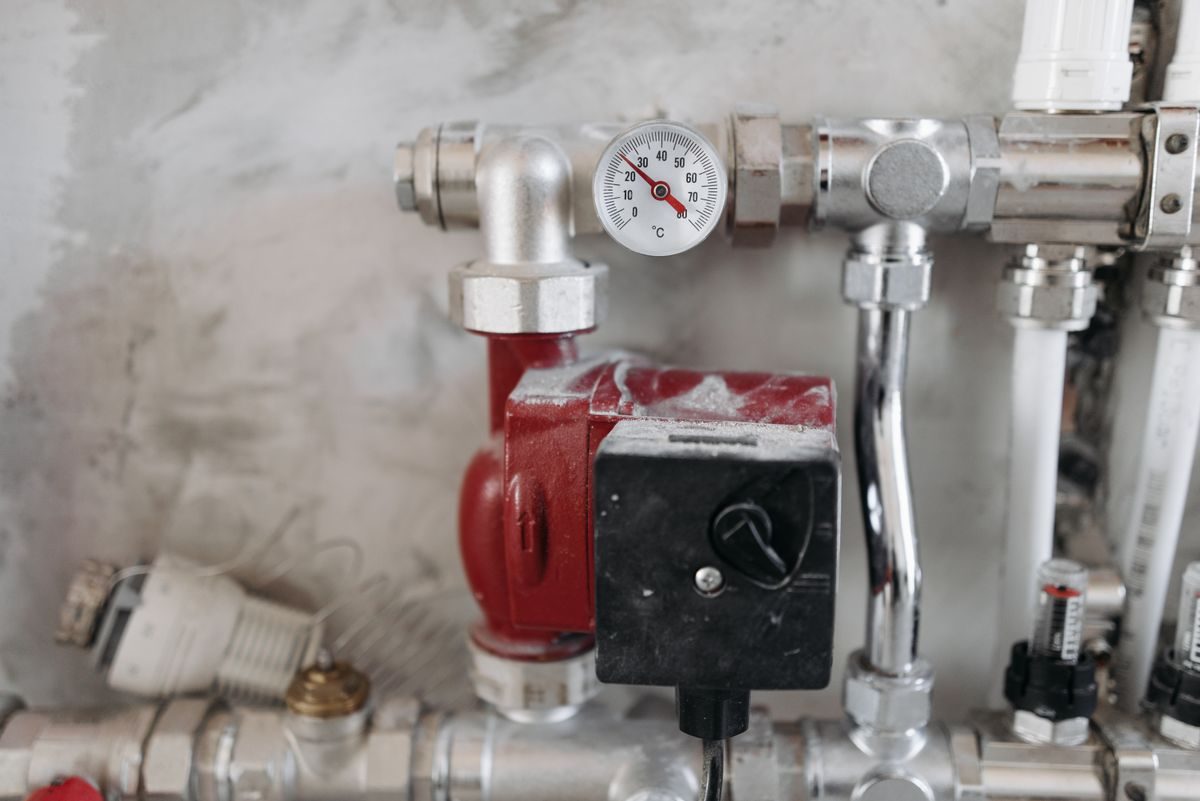
An air source heat pump extracts heat from outdoor air and uses it to heat both water and the home. It produces both domestic hot water and space heating from a single system. It replaces the boiler entirely rather than supplementing it.
The comparison that makes sense is: solar thermal to reduce hot water bills from a boiler or heat pump, versus an air source heat pump as a full heating system replacement.
Green Home Boilers & Heat Pumps installs both technologies across Devon and can advise which combination makes sense for a specific property and household.
Devon's Climate and What It Means
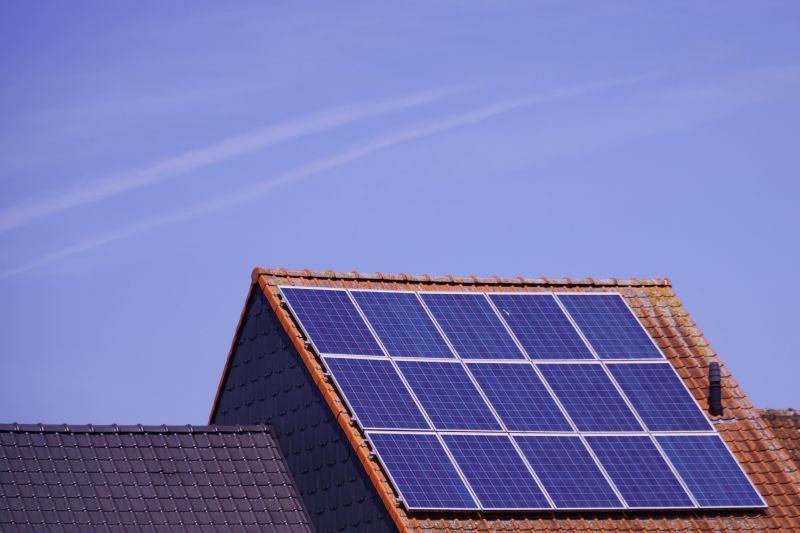
Devon is well-placed for solar thermal. The South West receives more solar radiation than the UK average - roughly 1,350-1,450 kWh per m² per year in Devon, compared to around 1,100 in Scotland. Summer hot water from solar thermal in Devon is very effective. Winter contribution is lower but not negligible.
Air source heat pumps also work well in Devon. The county's mild winters - relatively few hard frost days, mean winter temperatures that are 2-3°C warmer than the Midlands and North - mean the heat pump runs efficiently for more months of the year than it would further north. The efficiency drop in sub-zero temperatures that affects heat pump performance is less frequent and less severe in Devon than in most of the UK.
We've looked at winter performance in more detail in our guide to heat pump performance in Devon winters, which covers what to expect in the colder months specifically.
The Financial Case for Each
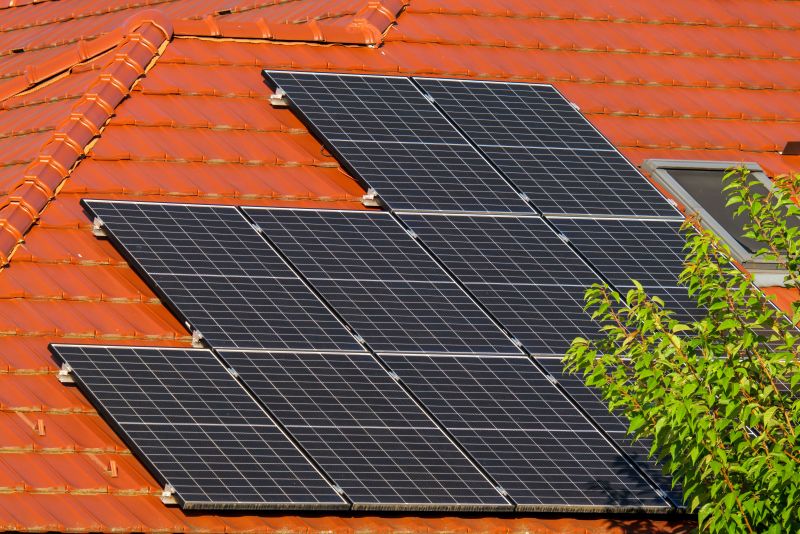
Solar thermal costs £3,000 - £5,000 installed for a standard domestic system. Running costs after installation are minimal - a pump and controls. It reduces gas or oil bills by cutting hot water demand. There's currently no specific grant scheme for solar thermal in the same league as the Boiler Upgrade Scheme for heat pumps.
An air source heat pump costs £8,000 - £15,000 installed, but qualifies for the Boiler Upgrade Scheme grant of £7,500, bringing the net cost to £500 - £7,500. It replaces the boiler entirely, so the comparison is against the ongoing cost of gas or oil heating rather than just hot water.
In Devon's climate, for a property with decent insulation, the running cost of a heat pump is typically lower than a gas boiler at current energy prices, and considerably lower than oil - which matters for the significant number of Devon properties on oil heating.
Which Makes More Sense for Devon Homes
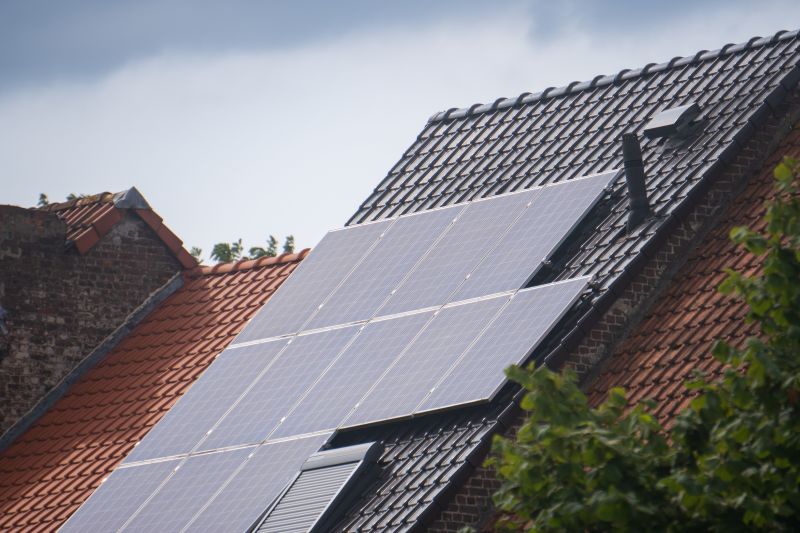
For a Devon property still on a gas boiler with no plans to change it: solar thermal is a cost-effective way to reduce bills and carbon without replacing the heating system. Simple, proven technology with low maintenance requirements.
For a Devon property on oil heating, or with an ageing boiler due for replacement: an air source heat pump with the Boiler Upgrade Scheme grant is the more impactful choice. The grant makes it financially competitive with a new boiler in many cases. Off-gas-grid Devon properties particularly benefit because oil is expensive and the heat pump advantage is clearest there.
For properties considering both: a heat pump can be paired with a solar thermal system (the solar feeds the hot water cylinder that the heat pump also uses), which reduces the heat pump's workload on hot water and improves overall efficiency. It's a combination worth discussing if the property already has south-facing roof space.
Want to discuss the right low-carbon heating option for your Devon home? Click here to get in touch.
FAQ
Q: Does solar thermal heat a Devon home or just hot water?
Solar thermal heats domestic hot water only - it doesn't provide space heating. An air source heat pump provides both hot water and space heating. The comparison is a hot water supplement versus a full heating system replacement.
Q: Is Devon a good location for solar thermal?
Yes. The South West receives above-average solar radiation compared to the UK as a whole, making solar thermal effective for meeting 50-70% of annual hot water demand. Winter contribution is lower but Devon's relatively mild climate means the annual average is better than most UK regions.
Q: Is the Boiler Upgrade Scheme available for solar thermal?
No - the current Boiler Upgrade Scheme grant of £7,500 applies to air source and ground source heat pumps, and biomass boilers in some cases. Solar thermal doesn't qualify for this scheme, though other local or energy supplier schemes may be available.
Q: Can I have both solar thermal and a heat pump in Devon?
Yes, and it can be a good combination. The solar thermal feeds the hot water cylinder that the heat pump also uses, reducing the heat pump's hot water load and improving overall system efficiency. Worth discussing with an installer who handles both technologies.
Q: Which is cheaper to run in Devon - a heat pump or a gas boiler?
At current energy prices, a well-specified air source heat pump in Devon typically runs at lower cost than a gas boiler for space heating, and considerably lower than oil heating. Devon's mild winters improve heat pump efficiency relative to the UK average.
You might also like