
Do Air Source Heat Pumps Work in Devon Winters? What to Expect When It Gets Cold
The most common question Devon homeowners ask before committing to an air source heat pump is some version of: "Will it still work when it gets cold?" It's a reasonable concern. Heat pumps extract heat energy from outdoor air, and it seems counterintuitive that a device can pull warmth from air that feels cold to stand in.
The good news for Devon is that the county's relatively mild climate makes it one of the more heat-pump-friendly places in the UK. Devon averages around 7-9 cold days per year where temperatures fall below -2°C, compared to 20+ in parts of northern England and Scotland. The less good news is that heat pump efficiency does fall as temperatures drop, and understanding what that means in practice - for comfort and for running costs - is important before making the investment. Air source heat pumps now account for around 70% of new heat pump installations in the UK, according to the Heat Pump Association.
How Heat Pumps Actually Work in Cold Air
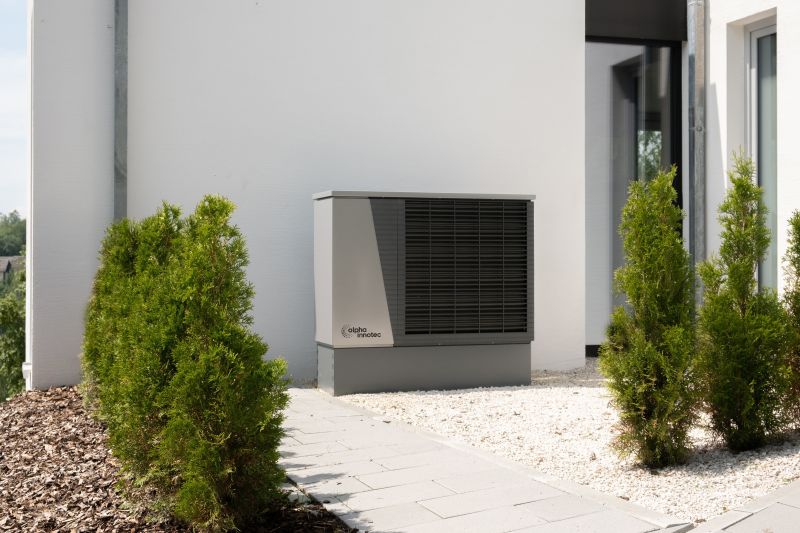
An air source heat pump works like a refrigerator in reverse. A refrigerant fluid circulates between an outdoor unit (which absorbs heat from the air) and an indoor unit (which releases that heat into the heating system). The process concentrates low-grade heat energy from the outdoor air into higher-temperature heat for the home.
The key measure is the Coefficient of Performance (COP) - the ratio of heat output to electrical input. A heat pump with a COP of 3 produces 3 units of heat for every 1 unit of electricity used. At an outdoor temperature of 7°C (a mild Devon winter day), modern heat pumps typically operate at COP 3.0-4.5. As the temperature falls, the COP falls too:
- At 0°C: COP typically 2.2 - 3.0
- At -5°C: COP typically 1.8 - 2.5
- At -10°C: COP typically 1.5 - 2.0
Devon rarely reaches -10°C, and periods below 0°C are relatively short in most years. The seasonal average outdoor temperature in Devon (around 10-12°C) means a Devon heat pump spends most of its operating time in the higher-efficiency range.
Green Home Boilers & Heat Pumps designs and installs air source heat pumps across Devon, sizing systems to the specific property's heat loss calculation so the output matches what the house actually needs in winter.
Defrost Cycles - What They Are and Why They Matter

When outdoor temperatures fall below about 3-4°C and the air is humid, ice can form on the outdoor unit's heat exchanger coil. Heat pumps manage this with a defrost cycle - the unit temporarily reverses operation to melt the ice, using some of the heat already collected to clear the coil. During a defrost cycle, the heat pump briefly stops heating the home and draws from the cylinder or buffer tank instead.
Defrost cycles are normal and don't indicate a problem. In Devon, where humid air from the Atlantic is common in winter and temperatures frequently sit in the 3-7°C range where defrost conditions are most likely, they happen regularly. A heat pump that goes into defrost every hour during a damp Devon winter morning is behaving entirely correctly.
What homeowners notice is sometimes a brief stop in the flow of warm air from fan coil units, or a slight drop in the flow temperature on particularly damp mornings. This is worth knowing in advance so it doesn't cause unnecessary concern during the first winter.
Devon's Microclimate Variations
Devon has significant microclimate variation that affects heat pump performance. The south coast - Exeter, Torquay, the Jurassic Coast area - is notably milder than Dartmoor and the higher areas of north Devon. A property on the edge of Dartmoor can experience temperatures 3-5°C colder than properties in Exeter on the same night. Heat pump sizing should reflect the local conditions, not just the county average.
Properties at altitude in Devon also tend to be windier, and wind chill affects how hard the outdoor unit has to work - though the unit's rated output is based on still-air temperatures, real-world performance on exposed sites can be slightly lower than the rated figures suggest.
Does a Devon House Need Radiator Upgrades for a Heat Pump?
This is often overstated as a barrier to heat pump installation in Devon's older housing stock. The core issue is that traditional gas boiler systems run at flow temperatures of 70-80°C, while heat pumps are most efficient at lower flow temperatures - ideally 40-50°C. If existing radiators were sized for 70°C flow, they may not give adequate heat output at 50°C.
In practice, Devon homes often have oversized radiators relative to their actual heat demand - particularly older properties that had radiators upgraded without the boiler system being recommissioned. These rooms already have more radiator surface area than strictly needed, so they perform acceptably at lower flow temperatures.
A good heat pump installer will do a room-by-room heat loss calculation and check whether existing radiators are adequate before specifying upgrades. In Devon homes that are well-insulated (or reasonably so), it's common for only one or two rooms to need larger radiators rather than a whole-house replacement.
The Energy Saving Trust's heat pump guide covers radiator compatibility questions in detail and is a useful independent reference for Devon homeowners thinking about this.
Running Costs - What Devon Heat Pump Owners Actually Pay

Running costs depend heavily on the tariff the homeowner is on and the COP the system achieves in operation. At the current typical electricity rate of around 24p/kWh and a gas rate of around 6p/kWh, a heat pump needs to achieve a real-world COP of at least 4 to match gas costs unit for unit.
In Devon's climate, well-specified systems regularly achieve seasonal COPs (SCOP) of 3.0-4.0+ across the heating year. The government's Renewable Heat Incentive data from pre-2022 installations showed Devon heat pumps performing consistently well compared to the national average.
We've looked at how smart controls affect heat pump efficiency in our guide to smart heating controls in Exeter- controlling the flow temperature and run schedule well makes a meaningful difference to the SCOP achieved.
What Happens in a Very Cold Devon Snap

Devon does occasionally get cold winters - the winters of 2010, 2018, and 2023 all brought sustained below-freezing temperatures to parts of the county. During these periods:
- Heat pump output falls but continues
- The unit runs for longer periods rather than providing bursts of high heat
- Backup electric immersion heaters in the cylinder (standard on most installations) supplement the heat pump when needed
- If a hybrid system is installed (heat pump + gas boiler), the boiler provides top-up heating above a set temperature threshold
For Devon homes without backup, the key protection is correct sizing at the start - a system sized to meet the design heat loss at -3°C (the design temperature for most of Devon) will cope with virtually all winters the county experiences.
What Air Source Heat Pump Installation Costs in Devon
Supply and installation of air source heat pump, typical Devon semi-detached property: £7,000 - £14,000 before grants.
Boiler Upgrade Scheme grant (current): £7,500 off for air source heat pumps - bringing many Devon installations to £0 - £6,500 after grant.
Radiator upgrades (where needed): £200 - £600 per radiator.
Hot water cylinder (if replacing incompatible existing cylinder): £600 - £1,200.
The Boiler Upgrade Scheme is managed by Ofgem and requires installation by an MCS-certified installer. All Green Home installations are MCS-certified and include grant application support.
FAQ
Q: Do air source heat pumps work in Devon when it freezes?
Yes, but efficiency is lower. A modern air source heat pump operates down to around -15°C to -20°C, well below any temperature Devon is likely to experience. The COP (efficiency) falls as temperature drops - but Devon's relatively mild winters mean the system spends most of its time in the higher-efficiency range.
Q: What is a defrost cycle on a Devon heat pump and should I be worried?
Defrost cycles happen when ice forms on the outdoor unit's heat exchanger coil, typically when outdoor temperatures are around 0-4°C and the air is humid - common in Devon winters. The unit briefly reverses to melt the ice, during which heating pauses for a few minutes. This is normal operation, not a fault.
Q: How long do air source heat pumps last in Devon conditions?
Well-maintained air source heat pumps typically last 15-20 years. Devon's coastal and humid climate is no harder on heat pumps than other UK regions - the units are designed for outdoor installation in UK weather. Annual servicing keeps the system running efficiently throughout its lifespan.
Q: Will my Devon home need new radiators if I install a heat pump?
Not necessarily. A heat loss calculation will show whether existing radiators are adequate at lower flow temperatures. Many Devon homes, particularly those with larger-than-minimum radiators, don't need full replacement. A room-by-room assessment by the installer before specifying work is the right approach.
Q: Can I get a grant for a heat pump in Devon?
Yes. The Boiler Upgrade Scheme currently offers £7,500 off air source heat pump installations. To qualify, the property must have a valid EPC, existing heating system being replaced must be gas, oil, or direct electric, and the installation must be by an MCS-certified contractor. Most Devon homeowners with a reasonable level of insulation qualify.
You might also like