
Heat Pump Noise and Planning in Devon: What You Need to Know Before Installing
Most conversations about a heat pump start with cost and end with the neighbours. That second worry is worth taking seriously, because an outdoor unit runs quietly but more or less continuously through a Devon winter, and the last thing anyone wants is a frosty relationship over the fence for the sake of a heating upgrade. The reassuring news is that the noise rules are clear, the approval process is usually simple, and a modern unit is far quieter than people expect - about 40 to 50 decibels at one metre, roughly a quiet conversation. Around a fifth of Devon homes sit off the mains gas grid, so heat pumps make real sense here, and the £7,500 Boiler Upgrade Scheme grant against a typical £8,000 to £15,000 install has pushed uptake sharply. This guide covers the two things that actually decide whether your install goes smoothly: the noise your neighbours will hear, and the approval you do or do not need before you start.
How Loud a Heat Pump Really Is
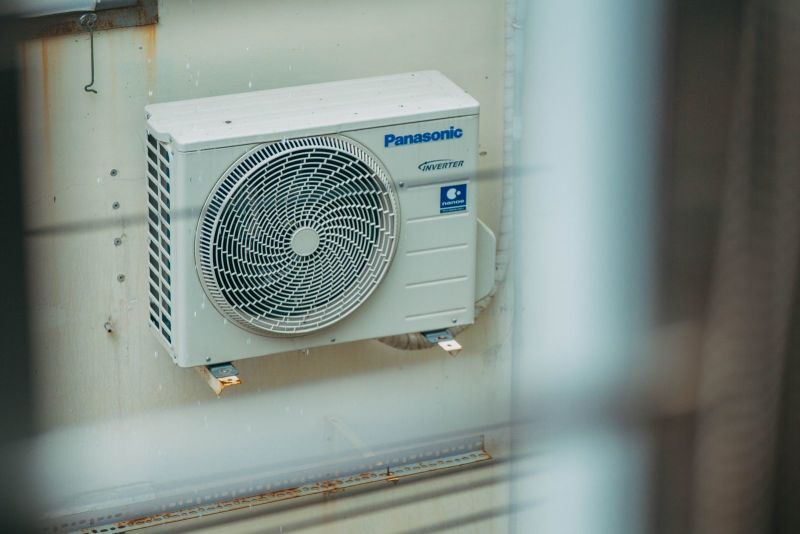
An air source heat pump makes a low, steady sound - part fan, part compressor - rather than the sharp mechanical noise people imagine. Most modern domestic units sit at around 40 to 50 decibels measured one metre away, and that drops off quickly with distance. By about 10 metres a well-sited unit often blends into the general background of a garden, and it runs hardest only on the coldest mornings, easing right off through Devon's mild shoulder seasons.
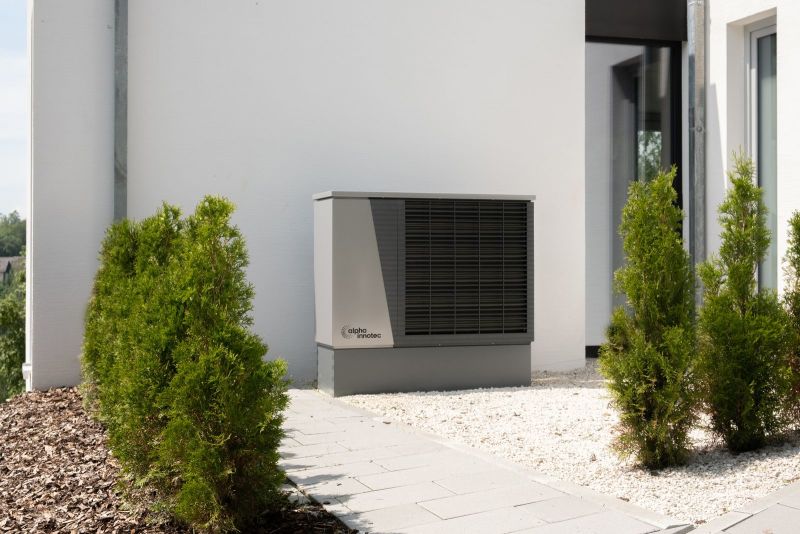
For context, 40 decibels is roughly a quiet conversation or a fridge humming in the next room, and 50 decibels is a normal conversation. That is a world away from an old air conditioning condenser. The units that generate complaints are almost always one of three things: an older model, a healthy unit sited badly against a wall or in an enclosed corner where sound reflects and amplifies, or a unit that has developed a fault. If you would rather have someone assess your specific property and neighbours before committing, Green Home Boilers & Heat Pumps surveys homes across Devon and can tell you early whether siting is straightforward or needs a bit more thought.
The 42 Decibel Neighbour Limit
Here is the number that matters most for the people next door. To install under permitted development, a heat pump must be set up so that the noise measured at the nearest habitable room of a neighbouring property does not exceed 42 decibels. This is a genuinely different figure from how loud the unit sounds standing beside it - the 42 decibel limit is measured at the neighbour's window or door, after distance and any walls or fences in between have taken the edge off.
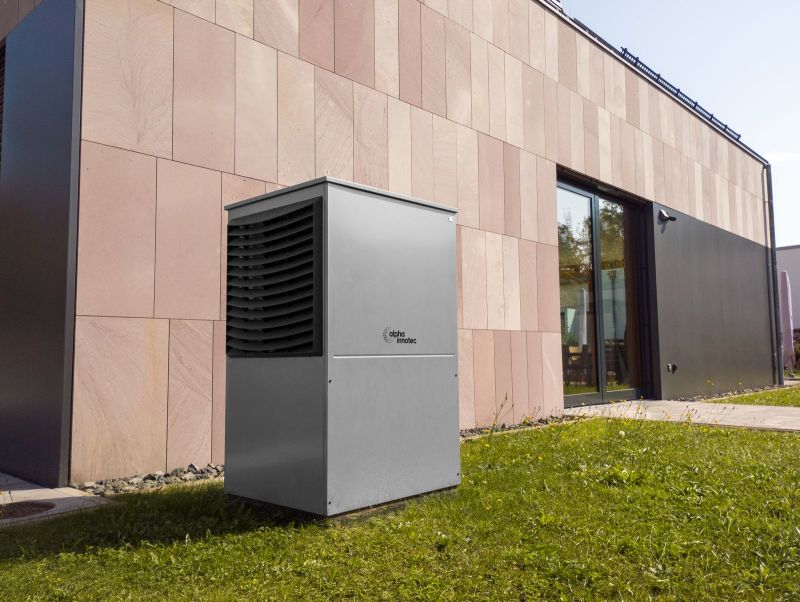
Installers demonstrate this with the MCS 020 planning standard, a calculation that factors in the unit's sound power, the distance to the nearest neighbouring window, and any barriers between the two. For most detached and semi-detached Devon homes with reasonable garden space, passing MCS 020 is straightforward and the 42 decibel figure is met with room to spare. Using a certified installer matters here, because only a properly completed MCS 020 assessment satisfies the condition - and it is also the certification you need to claim the £7,500 grant.
Where the 42dB Limit Gets Tight
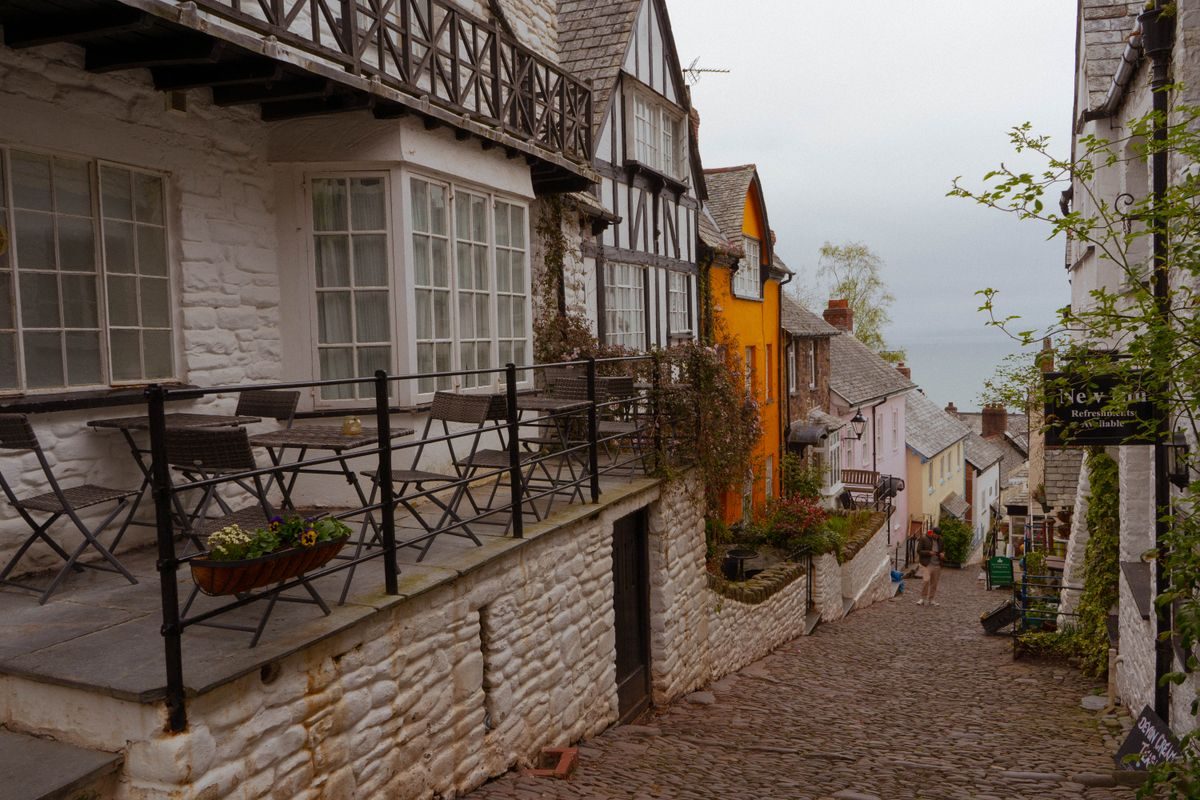
The challenge comes on terraced streets and closely spaced village cottages, where a neighbour's window might be only a few metres from the obvious spot for the unit. Devon has plenty of these - the Victorian terraces around Exeter's St James and Newtown, the packed streets of central Plymouth, and old cottage rows in villages across Teignbridge and Mid Devon. In those cases the installer has three levers: choose a quieter unit, reposition it further from the boundary, or add acoustic screening. One of those almost always brings the calculated figure under 42 decibels, but it is worth confirming before the unit is ordered rather than after.
The 1 Metre Boundary Rule
The other core permitted development condition is distance from your boundary. As of 2026, an air source heat pump must sit more than 1 metre from the edge of your property to qualify. Place it closer than that to a neighbour's fence and you tip into needing a planning application, even if everything else is fine.
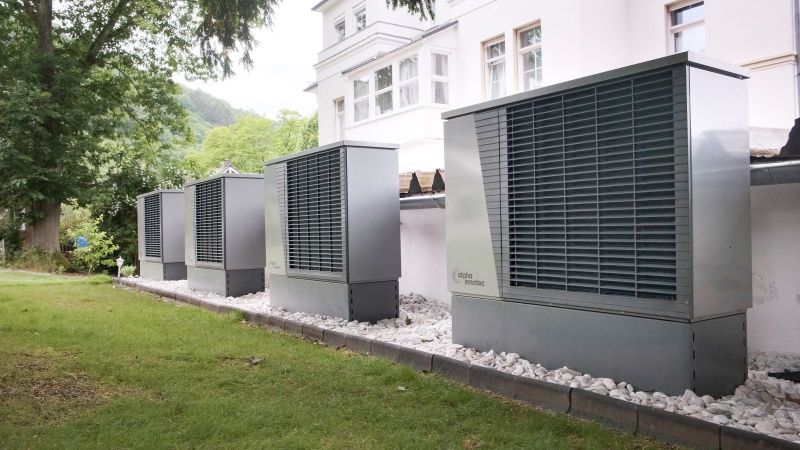
This catches out more Devon homes than you would expect, particularly the tightly packed terraces and cottages where a small rear yard makes a spot more than 1 metre from every boundary genuinely hard to find. A good heat loss survey works this out on day one. It is not a dealbreaker - the install still goes ahead - but it changes the timeline, because a householder application in Devon typically costs around £200 to £250 and takes roughly eight weeks for a decision.
Talking to Your Neighbours Before You Install
None of the rules above stop a neighbour feeling ambushed if the first they know of a heat pump is a contractor bolting a unit to the wall by their patio. A short, friendly conversation before installation heads off almost every problem, and it costs nothing. Show them where the unit will go, mention that it runs at around 40 to 50 decibels close up and less at their window, and that it meets the 42 decibel limit measured at their property.
It genuinely helps that the direction of siting is often flexible. If a neighbour is anxious about a particular window, and there is a workable alternative position, moving the unit a couple of metres at the planning stage is easy - moving it after installation means redoing pipework and electrical connections. Neighbours who feel consulted rather than presented with a fait accompli almost never object, and on a terraced street their goodwill is worth having for years to come.
When a Neighbour Can Still Complain After Approval
This is the part most guides skip. Meeting permitted development and passing MCS 020 clears the planning hurdle, but it does not put you completely beyond challenge. Under separate environmental law, a neighbour who genuinely believes a unit is causing a noise nuisance can complain to your local council's environmental health team, who can investigate a statutory nuisance regardless of whether the install had planning permission.
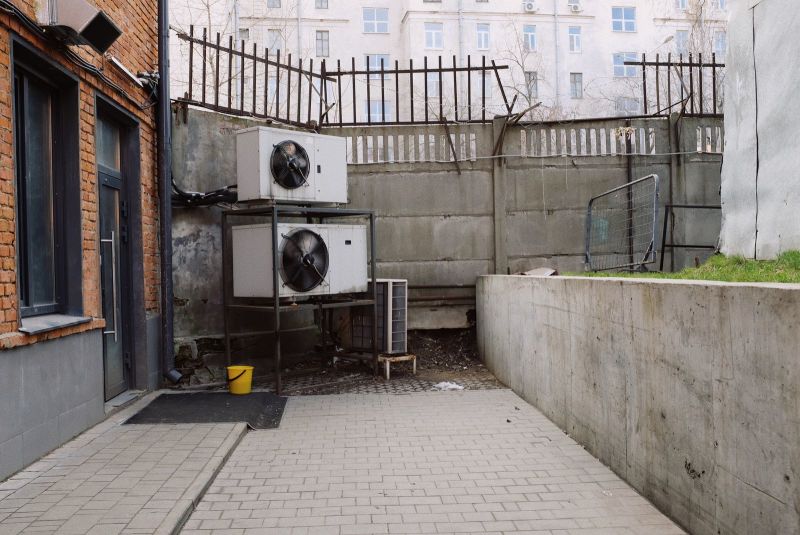
In practice this is rare for a correctly sited, healthy modern unit, and the 42 decibel standard is set precisely to keep installs well below nuisance level. Where it does happen, it is nearly always an older or faulty unit, or one boxed into a resonant corner. The lesson is the same one that runs through this whole topic: get the siting right at the survey, keep the unit serviced, and the statutory route almost never comes into play. The government's Planning Portal guidance on air source heat pumps sets out the permitted development conditions in full if you want the authoritative reference.
Conservation Areas and Listed Homes in Devon
Devon's character adds a layer that much of the country does not have to think about. In a conservation area - and the county has many, from Exeter's historic core to villages like Topsham and swathes of the Dartmoor and coastal parishes - permitted development rights are tighter. Siting a heat pump on a wall or roof that fronts a highway is usually not permitted development in a conservation area, so that alone can require an application even when the noise and boundary conditions are met.

Listed buildings are stricter again. If your home is listed you will almost certainly need listed building consent for an external heat pump, on top of any planning permission, because fixing plant to a protected structure alters its character. Devon has a high concentration of listed cob and thatch cottages, and consent usually turns on siting the unit discreetly, out of public view and often screened by planting. It is very doable - thousands go ahead - but the council needs to be involved from the start, not treated as an afterthought. We have set out the wider rules in our guide to heat pump planning permission across Devon, which pairs well with this neighbour-focused overview.
Getting the Approval Process Right
The practical sequence is short. First, get a heat loss survey so you know the unit size you actually need, because output drives both the noise figure and whether the unit fits within the 1.5 cubic metre volume limit. Second, have the installer run the MCS 020 assessment and confirm the 1 metre boundary is met. Third, check whether your home is listed or in a conservation area, since that can require an application on its own. Fourth, have that friendly word with the neighbours.
If an application is needed, build the eight weeks and roughly £200 to £250 into your timeline rather than discovering it after you have ordered equipment. Certified installers are more concentrated around Exeter and Plymouth than in remoter Devon, so rural homeowners sometimes wait a little longer for a survey slot - the Microgeneration Certification Scheme website lets you verify any installer and understand the standard behind your grant and your MCS 020 sign-off. Get the noise, boundary and neighbour side settled up front, and the rest of the job runs smoothly from survey to switch-on.
---
FAQ
Q: How loud is an air source heat pump, and will my neighbours hear it?
A: Most modern domestic units run at around 40 to 50 decibels one metre away - roughly a quiet to normal conversation - and drop off quickly with distance, often blending into background garden noise by about 10 metres. To install under permitted development, the noise at a neighbour's nearest window must stay below 42 decibels, which a correctly sited healthy unit meets comfortably. Complaints almost always trace back to an older model, bad siting, or a fault.
Q: How close to my neighbour's boundary can a heat pump go in Devon?
A: To qualify for permitted development in 2026, the unit must sit more than 1 metre from the edge of your property. If the only workable spot is closer than that, you can still install it, but you will need a planning application first - typically around £200 to £250 and roughly eight weeks in Devon. This catches out tightly packed terraces and cottages with small rear yards, so a good survey checks it on day one.
Q: Can a neighbour complain about heat pump noise even if I have permission?
A: Yes, in principle. Meeting permitted development and passing the MCS 020 assessment clears the planning side, but a neighbour who believes a unit is a genuine noise nuisance can still ask the council's environmental health team to investigate under separate statutory nuisance law. In practice this is rare for a correctly sited, well-maintained modern unit, because the 42 decibel standard is set to keep installs well below nuisance level. It usually only arises with older or faulty units, or ones boxed into a resonant corner.
---
You might also like