
Soft Water, Sludge and Corrosion: Why Devon Heating Systems Fail Differently
Ask a plumber in Kent what kills boilers and they'll say limescale. Ask one in Exeter and you'll get a different answer, because most of Devon runs on soft water drawn from upland reservoirs on Dartmoor and Exmoor rather than from chalk aquifers. Soft water barely scales at all. What it does instead is corrode, and corrosion produces magnetite sludge, which is the black gritty stuff that turns a 25kW boiler into an 18kW boiler without anyone noticing. Industry figures put sludge and debris behind roughly 30% of heating breakdowns, and a system carrying a heavy load of it can lose 10 to 15% of its efficiency. If you're in Devon and you've been told you need a water softener to protect your boiler, this is worth ten minutes before you spend £1,200 on one.
Devon's Water Is Mostly Soft, and That Changes Everything
South West Water's supply across Devon comes largely from surface sources: Roadford, Wimbleball, Burrator, Colliford and the moorland catchments feeding them. Rain falling on granite and peat picks up very little calcium or magnesium on the way through, so what arrives at your tap is soft to moderately soft in most of the county.
There are exceptions. Parts of East Devon draw on chalk and greensand groundwater and sit noticeably harder, and a few areas get blended supplies that vary through the year. You can check your own postcode through South West Water's water quality information, which is worth doing before you make any decision based on an assumption.
For most Devon homes, though, the practical upshot is this: your kettle doesn't fur up much, your shower head stays clear, and the limescale problem that dominates heating advice written for the south east is largely not yours. Which is good news, except that it leaves people unprotected against the thing that is.
If you're not sure what state your own system is in, it's worth having someone look at the system water rather than guessing from the symptoms, because a five-minute test tells you more than a year of wondering why one radiator is cold.
What Soft Water Does Instead: Corrosion
Soft water is slightly acidic and low in dissolved minerals, and that makes it hungrier. It is more plumbosolvent and cuprosolvent than hard water, meaning it dissolves small amounts of lead and copper from the pipework it passes through.
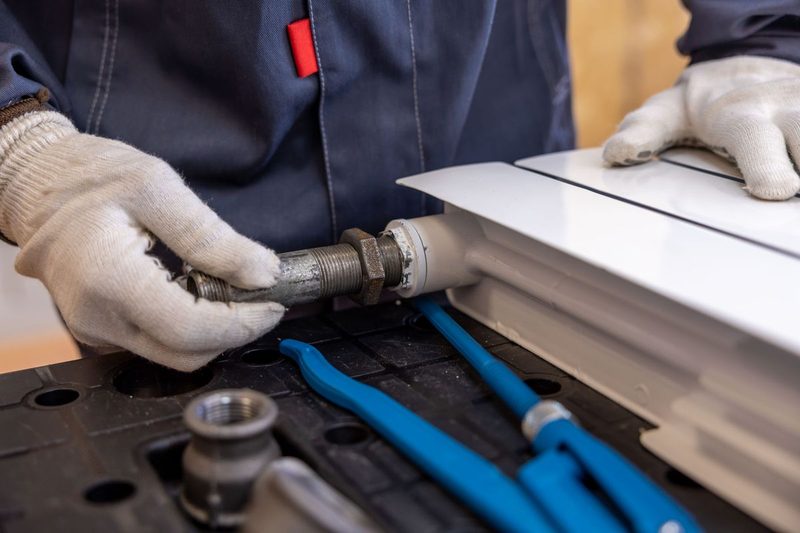
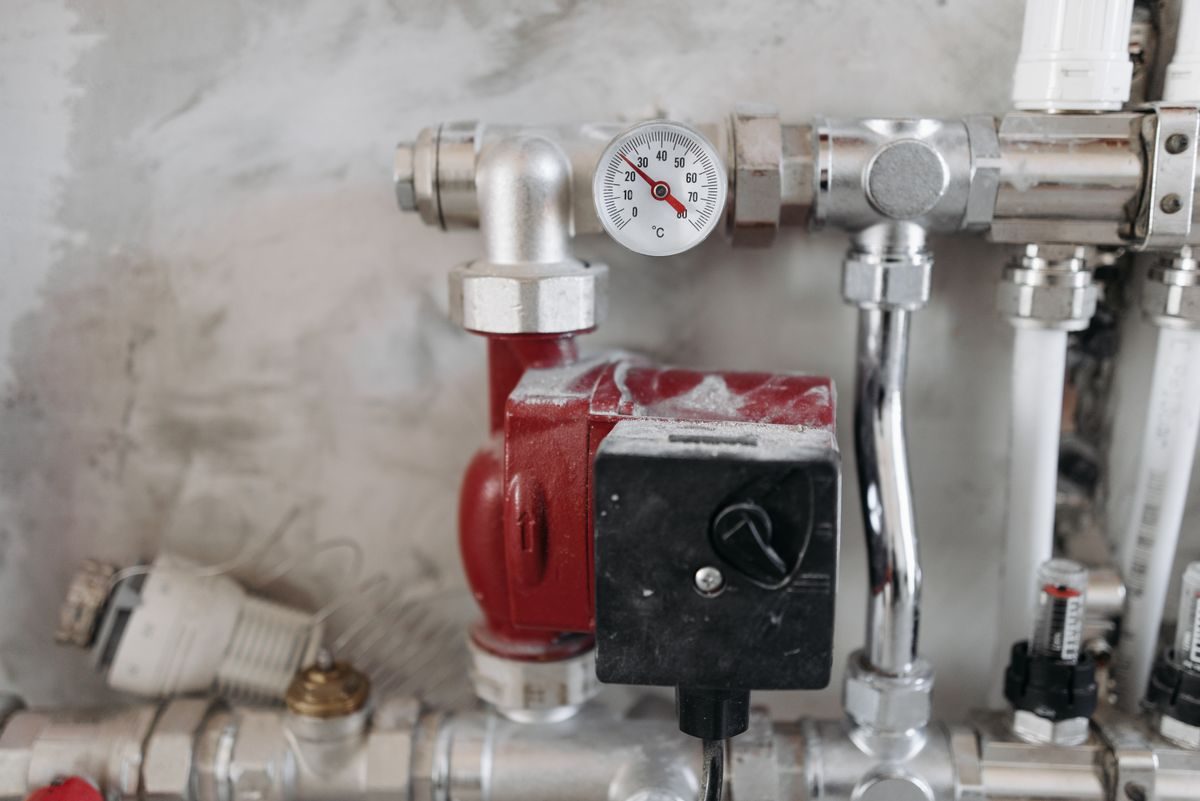
Inside a sealed heating system, the mechanism that matters is electrolytic corrosion. You have steel radiators, copper pipe, brass fittings and often an aluminium boiler heat exchanger, all connected by water. Dissimilar metals in a shared electrolyte set up a small galvanic cell, and the least noble metal, usually the steel radiator, gives up iron.
That iron oxidises into magnetite, Fe3O4. It is black, magnetic, and abrasive. Over ten or fifteen years an unprotected Devon system can accumulate several kilos of it. The consequences follow a predictable sequence: cold spots at the bottom of radiators, a noisy boiler as sludge insulates the heat exchanger and makes it kettle, a seized pump, then a blocked plate heat exchanger and lukewarm hot water.
Why Devon's Housing Stock Makes It Worse
Around 20% of Devon's homes were built before 1919, well above the England average of about 14%, and the county has a high proportion of solid-wall cob, stone and older brick properties.
Old houses have old heating systems that have been altered repeatedly. A 1980s system with radiators added in the 1990s, a combi swapped in around 2008 and two more radiators in a converted loft is a mix of metals and ages, often with sections of the original steel or iron pipework still buried in a solid floor. Every alteration introduces fresh oxygen and fresh metal. That's exactly the environment magnetite likes.
Rural Devon adds another factor. A meaningful number of properties off the mains, particularly in Mid and West Devon, run on private boreholes and springs, where water chemistry varies enormously and can be genuinely aggressive. If you're on a private supply, system water testing isn't optional advice, it's the only way to know what you're dealing with.
Inhibitor: The Cheapest Protection You Can Buy
A corrosion inhibitor is a chemical dosed into the system water that passivates metal surfaces and stops the galvanic reaction. It costs about £25 for a bottle and it is the single highest-return thing you can do to a heating system.

The catch is that it depletes. Inhibitor is consumed as it does its job, and a system that was dosed when the boiler went in eight years ago almost certainly has none left. Manufacturers generally expect it to be checked annually and topped up, and most warranties require it.
The numbers are worth sitting with. Inhibitor, dosed and checked yearly: roughly £25 to £45, often included in a service. A magnetic filter fitted to the return: £180 to £300 supplied and fitted. A power flush when sludge has already built up: £400 to £750 depending on the number of radiators. A new heat exchanger: £550 to £900. A new boiler because the exchanger has gone and the boiler is out of warranty: £2,400 to £3,800.
The first line on that list prevents the rest. Our guide to power flushing in Exeter covers what to do when the sludge is already there.
Magnetic Filters and Why Every Devon System Should Have One
A magnetic filter sits on the return pipe just before the boiler and pulls magnetite out of circulation with a rare-earth magnet. The engineer empties it at each service, and on a neglected system the first clean-out can produce a startling amount of black sludge.
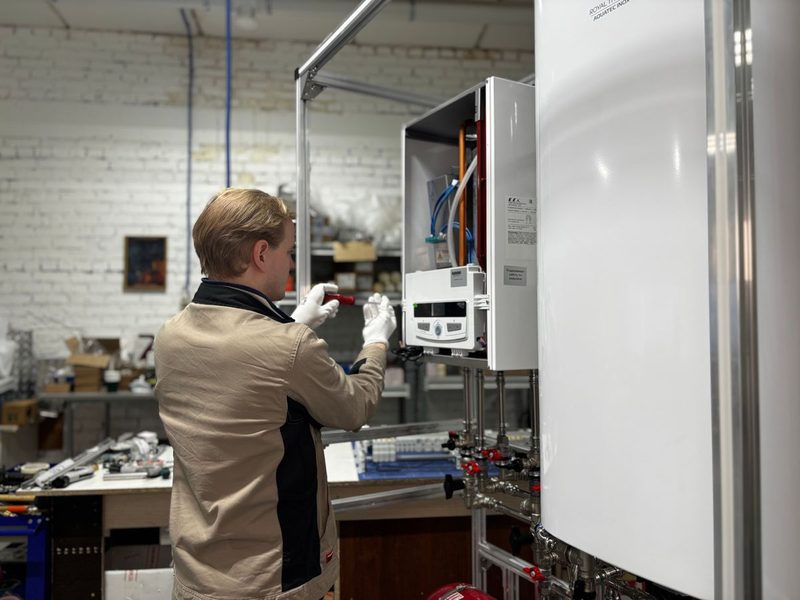
Fitting one is now effectively standard practice on a new installation, and Building Regulations approved documents covering domestic heating efficiency point to system cleaning and water treatment as part of a compliant installation. Most boiler manufacturers also require both a system clean and a filter for the extended warranty to stand.
On an existing system, retrofitting a filter costs £180 to £300 and takes an hour or two. If your boiler is more than five years old and has never had one, the payback is usually one avoided breakdown.
One practical detail people get wrong: a filter catches magnetite, not everything. Non-magnetic debris, flux residue, jointing compound and biological growth pass straight through it. Filter and inhibitor together, not filter instead of inhibitor.
Heat Pumps Raise the Stakes Considerably
This is where soft water stops being a maintenance footnote and becomes a design issue. A heat pump circulates much more water at a much lower temperature than a boiler, typically 35°C to 50°C flow against 65°C to 75°C, and its plate heat exchanger has narrow waterways.
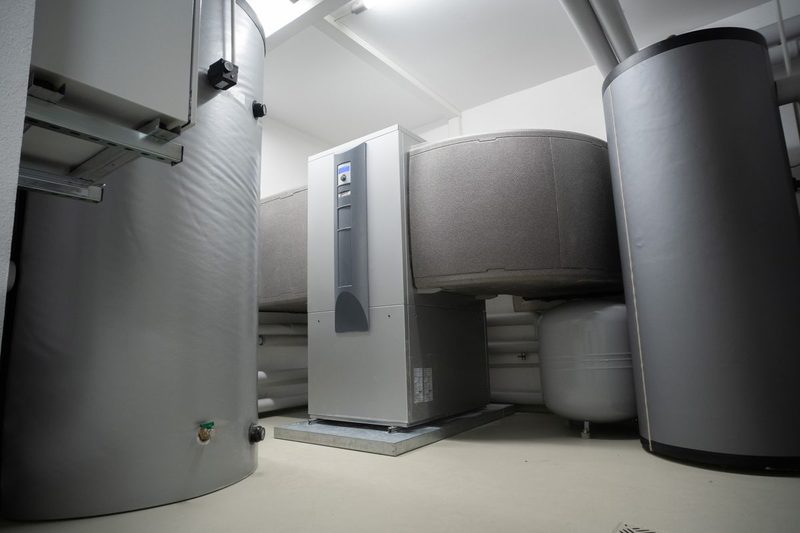
That combination is unforgiving. Lower flow temperatures mean the system depends on getting the designed flow rate through every radiator, so a partially sludged radiator that a boiler could brute-force past will simply run cold on a heat pump. And the tight tolerances in the exchanger mean debris that a boiler shrugs off can cause a measurable drop in performance.
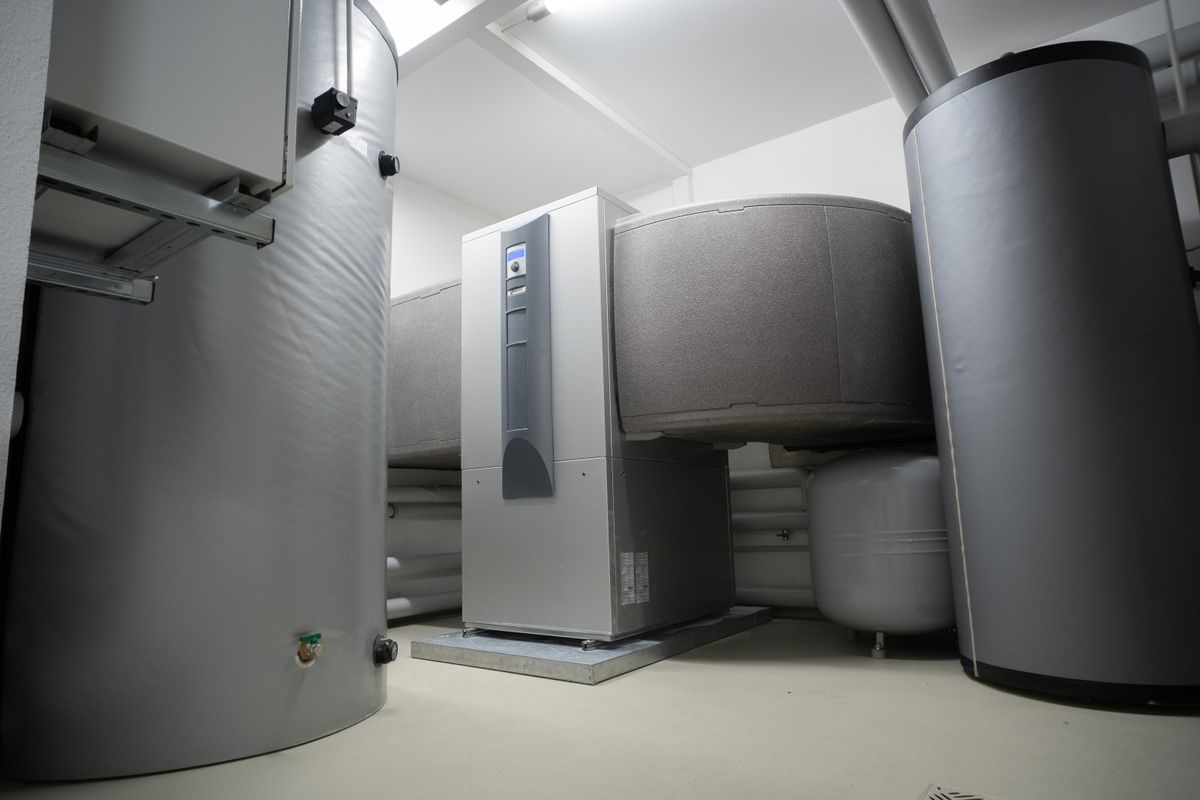
MCS certified installers are required to clean and treat the system properly as part of a compliant heat pump installation, and the standards are explicit about water quality. In practice, on a Devon retrofit into a 1970s or 1980s system, that usually means a full power flush, fresh inhibitor, a magnetic filter and sometimes a low-loss header or buffer to protect the unit.
Budget for it. A heat pump retrofit quote that contains no line for system cleaning is either missing something or assuming your pipework is cleaner than it is. Add £400 to £900 to the expected cost of an older-system changeover, and treat it as part of the installation rather than an upsell. Grant funding through the Boiler Upgrade Scheme covers the heat pump installation itself, which frees up budget for getting the rest of the system right.
The Symptoms Worth Acting On
Most systems tell you they're in trouble a year or two before they fail. The signals are unglamorous and easy to live with, which is why people do.

Radiators cold at the bottom but warm at the top mean sludge has settled. Cold at the top with warm at the bottom is trapped air, a different and easier problem. A boiler that bangs, rumbles or kettles on start-up is a heat exchanger with deposits on it. Radiators that need bleeding repeatedly point to ongoing corrosion producing hydrogen gas. A pump that hums but circulates weakly is clogged. And water that runs black out of a bleed valve is the clearest signal of all.
There's also a quiet one: heating bills creeping up 10% year on year with no change in habits or tariff. That's usually efficiency loss rather than price, and it's reversible.
What a System Health Check Actually Involves
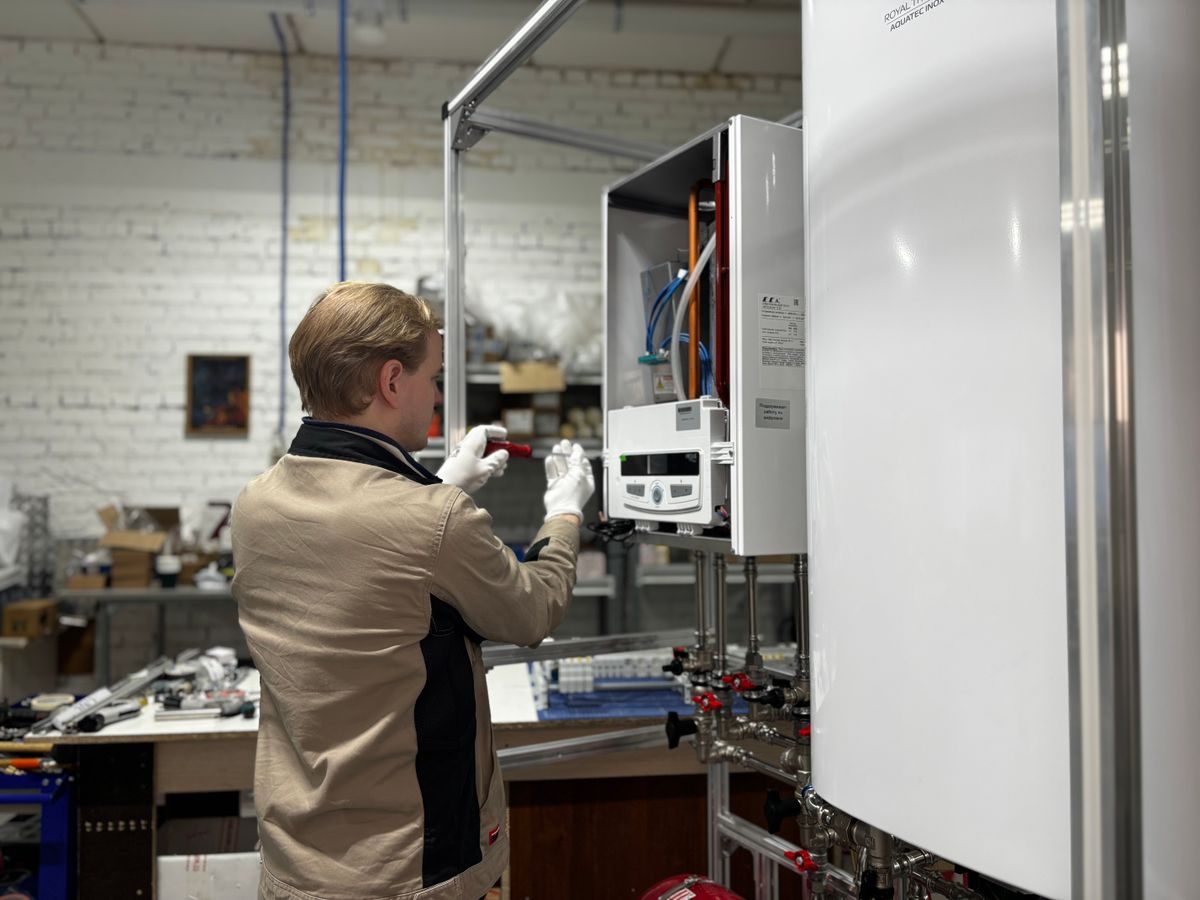
An engineer will test the system water for inhibitor concentration, pH and iron content, which takes minutes and costs £40 to £80 as a standalone visit or nothing as part of a service.
pH is the interesting figure in Devon. Healthy system water sits around 7.0 to 8.5. On a soft-water system with no inhibitor, it commonly drifts acidic, and once it's below about 6.5 the corrosion rate accelerates sharply. Iron content above roughly 5mg per litre tells you magnetite is actively forming. Neither number is visible from the outside, and both are cheap to find out.
Do You Need a Water Softener in Devon?
Mostly, no. A softener removes calcium and magnesium to prevent scale, and in soft-water Devon there's very little scale to prevent. Spending £900 to £1,600 plus ongoing salt to solve a problem you don't have is a poor trade.
Two qualifications. If you're in one of the harder parts of East Devon, or on a private borehole that tests hard, the calculation changes and a softener may genuinely earn its place. And softened water should never be plumbed to a drinking water tap, which is a requirement rather than a preference. WaterSafe lists approved plumbers for work on the mains supply, and the Chartered Institute of Plumbing and Heating Engineering is the professional body worth checking a firm against.
What almost every Devon home does need is inhibitor, a filter, and an annual check that both are doing their job. That's £200 to £350 in year one and about £30 a year after it, against a £3,000 boiler replacement you brought forward by five years. Not a difficult sum.
Frequently Asked Questions
Is water hard or soft in Devon?

Most of Devon is soft to moderately soft, because South West Water draws largely from upland reservoirs on Dartmoor and Exmoor where the geology adds little calcium. Parts of East Devon on chalk and greensand groundwater are harder. Check your specific postcode with South West Water.
Do I need a water softener for my boiler in Devon?
Usually not. Softeners prevent limescale, and soft Devon water produces very little. Corrosion inhibitor and a magnetic filter protect against the problem Devon systems actually have, at a fraction of the cost.
What is the black sludge in my radiators?
Magnetite, an iron oxide produced when steel radiators corrode inside a sealed system. It settles at the bottom of radiators, insulates the boiler heat exchanger and blocks pumps. A magnetic filter and annual inhibitor dosing prevent it forming.
Does a heat pump need the heating system cleaned first?
Yes. Heat pumps run lower flow temperatures and have narrow heat exchanger waterways, so they are far less tolerant of sludge than a boiler. MCS standards require proper system cleaning and water treatment, and on an older Devon system that typically adds £400 to £900 to the job.
```json { "@context": "https://schema.org", "@type": "FAQPage", "mainEntity": [ { "@type": "Question", "name": "Is water hard or soft in Devon?", "acceptedAnswer": { "@type": "Answer", "text": "Most of Devon is soft to moderately soft, because South West Water draws largely from upland reservoirs on Dartmoor and Exmoor where the geology adds little calcium. Parts of East Devon on chalk and greensand groundwater are harder. Check your specific postcode with South West Water." } }, { "@type": "Question", "name": "Do I need a water softener for my boiler in Devon?", "acceptedAnswer": { "@type": "Answer", "text": "Usually not. Softeners prevent limescale, and soft Devon water produces very little. Corrosion inhibitor and a magnetic filter protect against the problem Devon systems actually have, at a fraction of the cost." } }, { "@type": "Question", "name": "What is the black sludge in my radiators?", "acceptedAnswer": { "@type": "Answer", "text": "Magnetite, an iron oxide produced when steel radiators corrode inside a sealed system. It settles at the bottom of radiators, insulates the boiler heat exchanger and blocks pumps. A magnetic filter and annual inhibitor dosing prevent it forming." } }, { "@type": "Question", "name": "Does a heat pump need the heating system cleaned first?", "acceptedAnswer": { "@type": "Answer", "text": "Yes. Heat pumps run lower flow temperatures and have narrow heat exchanger waterways, so they are far less tolerant of sludge than a boiler. MCS standards require proper system cleaning and water treatment, and on an older Devon system that typically adds £400 to £900 to the job." } } ] } ```
```json { "@context": "https://schema.org", "@type": "Article", "headline": "Soft Water, Sludge and Corrosion: Why Devon Heating Systems Fail Differently", "description": "Most of Devon is on soft water, so limescale is rarely what kills a boiler here. Corrosion, magnetite sludge and acidic water are. Here's what actually wears out heating systems in Devon, what protection costs in 2026, and why it matters even more with a heat pump.", "author": { "@type": "Organization", "name": "The Team" }, "datePublished": "2026-09-18", "dateModified": "2026-09-18", "articleSection": "Heating" } ```
You might also like