
Power Flushing in Exeter: What It Costs and When Your Heating Needs It
Cold spots at the bottom of your radiators, a boiler that clunks and rumbles, water that runs rusty when you bleed a rad - these are the classic signs of sludge building up in your central heating. A power flush clears it out, and in Exeter it usually costs between £300 and £700 depending on how many radiators you have and how bad the muck is. That's not a small sum, but a sludged-up system can knock 10-25% off your heating efficiency and shorten the life of a boiler that costs £2,000-£3,000 to replace. Exeter's older cob and stone housing and its patches of harder water make sludge a real local issue, especially in systems that have never been cleaned. This guide covers what a power flush does, what it costs here, and how to tell whether yours actually needs one.
What a Power Flush Actually Does
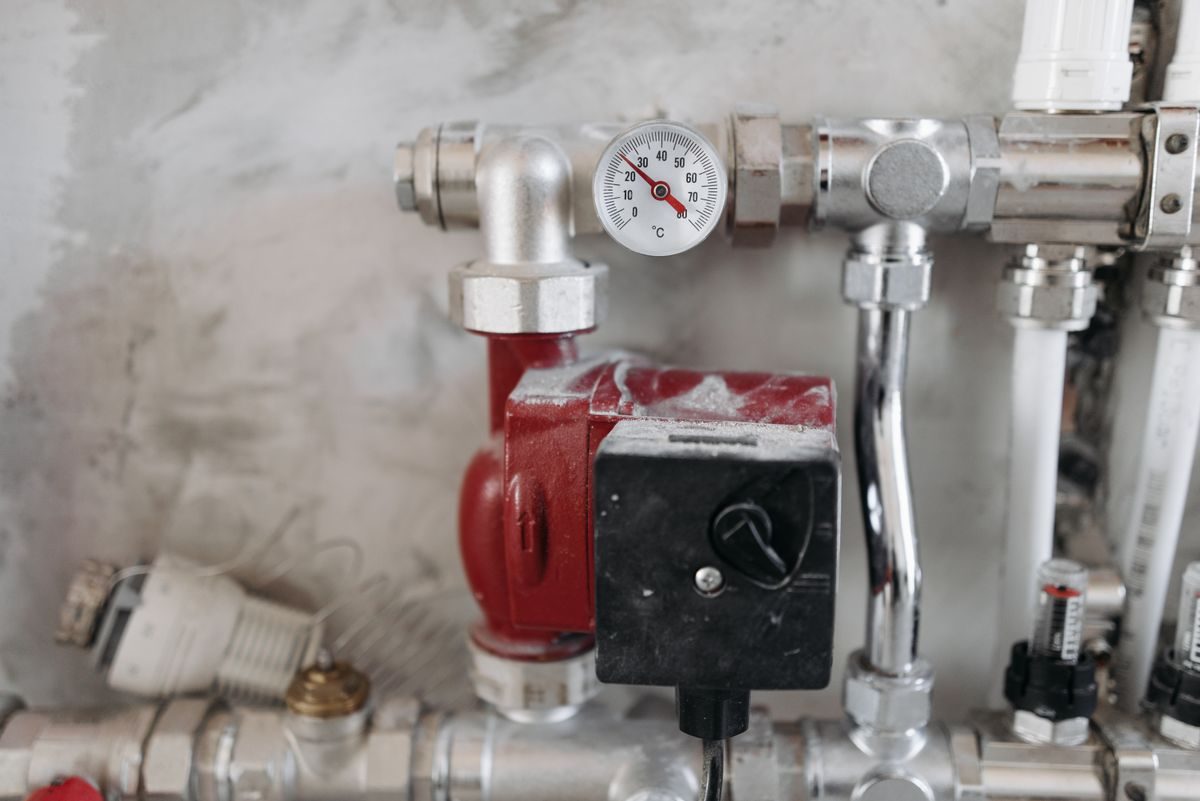
A power flush is a deep clean of your entire central heating system. An engineer connects a pump to the pipework and pushes a high-flow mix of water and cleaning chemicals through every radiator and the boiler, breaking up the black iron-oxide sludge and rust that settles over the years. That sludge is what collects in the cold bottom corners of radiators and clogs the narrow channels inside a modern boiler's heat exchanger.
A typical Exeter power flush takes three to six hours for a standard three-bed home with eight to ten radiators. The engineer flushes each radiator in turn, dumps the dirty water, then adds a corrosion inhibitor at the end to slow the sludge coming back. If you want to talk through whether your system is a candidate before booking, Green Home Boilers & Heat Pumps can take a look and tell you honestly whether a flush is worth it or whether a cheaper fix will do.
Done properly, a power flush restores full circulation, so every radiator heats evenly top to bottom and the boiler stops working overtime to shift lukewarm water around the house.
What a Power Flush Costs in Exeter
Most Exeter homeowners pay between £300 and £700 for a power flush. The single biggest factor is the number of radiators - many engineers price per radiator, roughly £30-£45 each, so a small flat with five rads sits at the bottom of the range and a large four-bed with fourteen or more can push past £700.
The state of the system matters too. A routine preventative flush on a fairly clean system is quicker and cheaper. A badly sludged system that hasn't been touched in fifteen years may need extra chemicals, longer flushing, and sometimes a magnetic filter fitted afterwards, which adds £120-£200 but pays for itself by catching debris before it settles again.
Power Flush vs Chemical Flush
It's worth knowing the difference before you agree to anything. A chemical flush - sometimes called a cleanse - circulates cleaner using your existing boiler pump and costs less, often £150-£250. It's lighter-duty and suits a mildly dirty system. A full power flush uses a dedicated high-pressure pump and is the right call when sludge is heavy or radiators are properly cold at the bottom. An honest engineer will tell you which your system genuinely needs rather than defaulting to the pricier option.
Signs Your Exeter Heating Needs a Flush
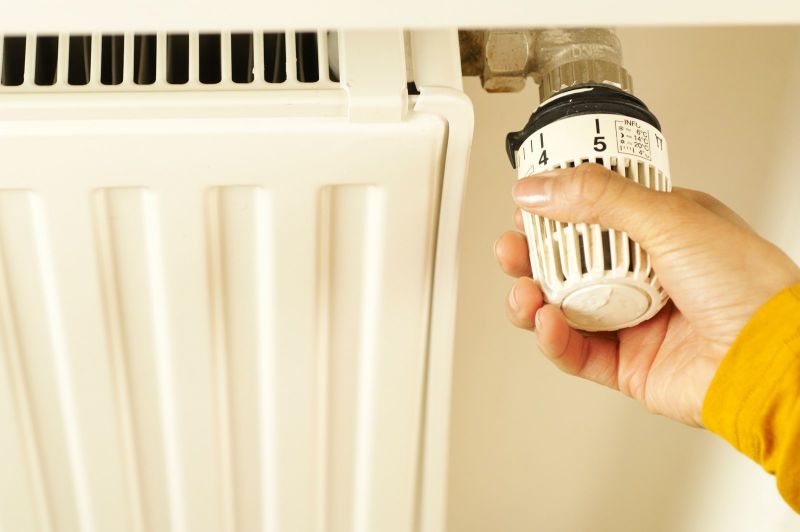
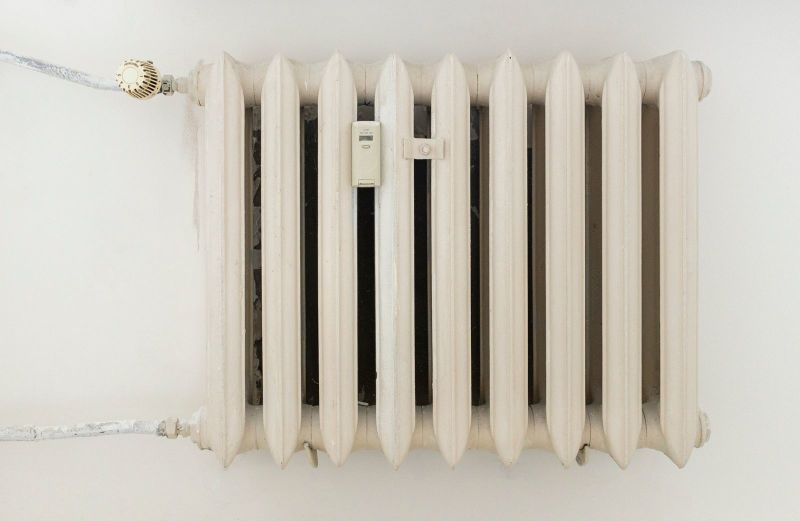
The most obvious clue is a radiator that's hot at the top and cold along the bottom. That cold strip is sludge sitting where the flow is weakest. If one or two radiators never quite get warm however much you bleed them, sludge is the usual suspect.

Listen to your boiler, too. A kettling, banging, or rumbling noise often means debris is restricting flow through the heat exchanger and the water is overheating in spots. Rusty or black water when you bleed a radiator is another giveaway - clean systems run clear. And if your heating is slow to warm the house or your bills have crept up without an obvious reason, poor circulation from sludge could be quietly costing you money.
Newly fitted radiators that go cold quickly, or a heating pump that keeps failing, can also point back to a dirty system. The Energy Saving Trust's guidance on home heating systems is a useful, non-commercial place to sanity-check how an efficient system should behave before you spend money.
Why Exeter Homes Are Prone to Sludge
Exeter's housing stock is a real mix, and the older end of it is where sludge builds fastest. Plenty of homes across the city and surrounding villages are cob or solid-stone builds with heating systems that have been extended and altered over decades, often mixing old steel pipework with newer plastic. Those older, larger systems hold more water and more metal for rust to form on.
Water hardness plays a part as well. Parts of Exeter and the wider Devon supply are moderately hard, and while hard water is more of a scale problem than a sludge one, the two often go hand in hand - scale in the boiler plus iron-oxide sludge in the radiators. Rural properties around Cullompton and the outlying villages, some on private or mixed supplies, can see quite variable water quality that's harder on a heating system.
Older homes also tend to run their heating longer and harder because they're draughtier and less insulated, which means more years of circulation and more chance for corrosion to accumulate. A system that's never had an inhibitor topped up is especially vulnerable.
Does a Power Flush Improve Efficiency and Save Money?
Yes, when the system genuinely needs it. Clearing sludge restores proper flow, so the boiler reaches temperature faster and cycles less. Industry figures put the efficiency gain on a badly sludged system at anywhere from 10% to 25%, which on a typical Exeter gas heating bill can mean a meaningful chunk off your annual cost.
There's a longevity benefit too. Modern condensing boilers have narrow waterways that clog easily, and running one full of debris is a common cause of premature breakdowns and voided warranties - most manufacturers require the system to be clean and protected with inhibitor to honour the warranty. Spending £300-£700 to protect a boiler worth several thousand is straightforward maths.
That said, a flush isn't a cure-all. If your radiators are fine and your boiler runs quietly, you probably don't need one, and a good engineer won't push it. It's a targeted fix for a specific problem, not routine maintenance for every home. We cover related running-cost questions in our guide to boiler service costs in Exeter, which pairs well with knowing when a flush is due.
Choosing an Engineer and Protecting Your System Afterwards
Whoever carries out the work, if they're touching a gas boiler as part of it they must be on the Gas Safe Register. You can confirm any engineer's registration and the specific work they're qualified for in about a minute using the Gas Safe Register's online engineer check before they start.
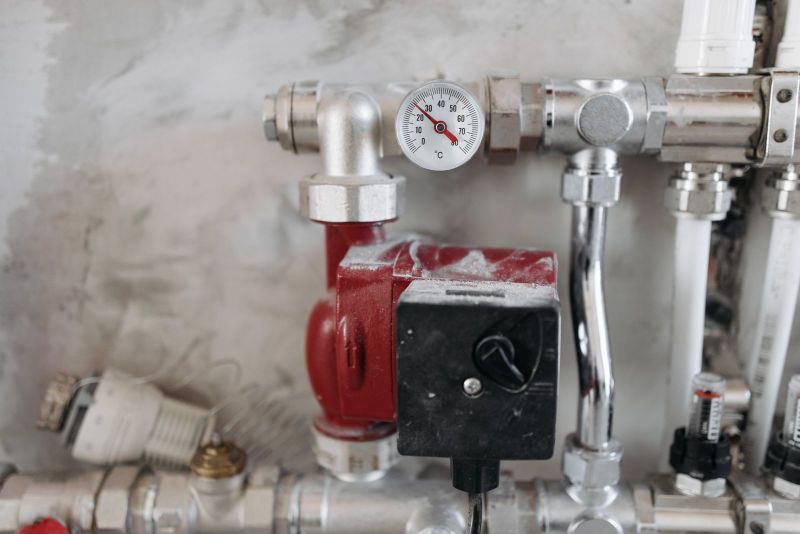
Exeter is reasonably well served for heating engineers, so you can afford to be choosy. Ask whether the quote is per radiator or a fixed price, whether a corrosion inhibitor and a check for the cause of the sludge are included, and whether they recommend a magnetic filter. A filter fitted after a flush catches loose iron oxide before it settles and is one of the best-value add-ons for keeping a system clean for years.
After the flush, keep the paperwork noting the inhibitor was added and get the inhibitor level checked at your annual service. That simple habit is what stops the sludge coming straight back and means you shouldn't need another flush for a long time.
---
FAQ
Q: How much does a power flush cost in Exeter?
A: Most Exeter homeowners pay between £300 and £700 for a power flush. Many engineers price per radiator at roughly £30-£45 each, so a small flat with five radiators sits at the lower end and a large four-bed with fourteen or more can push past £700. A heavily sludged system or an added magnetic filter (£120-£200) increases the cost.
Q: How do I know if my central heating needs a power flush?
A: The clearest signs are radiators that are hot at the top but cold at the bottom, a boiler that kettles, bangs or rumbles, rusty or black water when you bleed a radiator, and heating that's slow to warm the house. If several radiators never fully heat despite bleeding them, sludge is the likely cause and a flush is worth investigating.
Q: What's the difference between a power flush and a chemical flush?
A: A chemical flush circulates cleaner using your existing boiler pump and costs around £150-£250, suiting a mildly dirty system. A full power flush uses a dedicated high-pressure pump to force out heavy sludge and costs £300-£700. A power flush is the right choice when radiators are properly cold at the bottom or sludge is severe.
Q: Will a power flush save me money on heating bills?
A: On a genuinely sludged system, yes. Clearing the sludge can restore 10-25% of lost efficiency, so the boiler reaches temperature faster and cycles less. It also helps prevent breakdowns and keeps the boiler warranty valid, since most manufacturers require a clean system protected with inhibitor. If your heating already runs well, you likely don't need one.
---
You might also like