
Heat Pumps and Hot Water Cylinders in Devon: What Changes and What It Costs
One of the biggest surprises for Devon homeowners moving from a combi boiler to a heat pump is the hot water cylinder. Combis heat water instantly and take up no extra space, so many homes haven't had a cylinder in years. A heat pump works differently - it heats water gently over time and stores it, which means a cylinder comes back into the picture. Expect to pay £1,000 to £2,500 fitted for a suitable cylinder, on top of the heat pump itself, and to find room for a unit roughly the size of a tall fridge. Around 70% of UK homes are on combis, so for most Devon households this is a genuine change. With Devon's mild climate, older housing stock, and large number of off-gas villages, the details matter. This guide explains what changes, why, and what to budget.
Why a Heat Pump Needs a Hot Water Cylinder
A gas combi boiler can blast water to a high temperature the instant you turn a tap. A heat pump can't - and isn't meant to. It runs most efficiently producing water at a lower flow temperature over a longer period, which is brilliant for running costs but no good for on-demand hot water. So instead of heating water the moment you need it, a heat pump heats a tank of it in advance and keeps it ready.
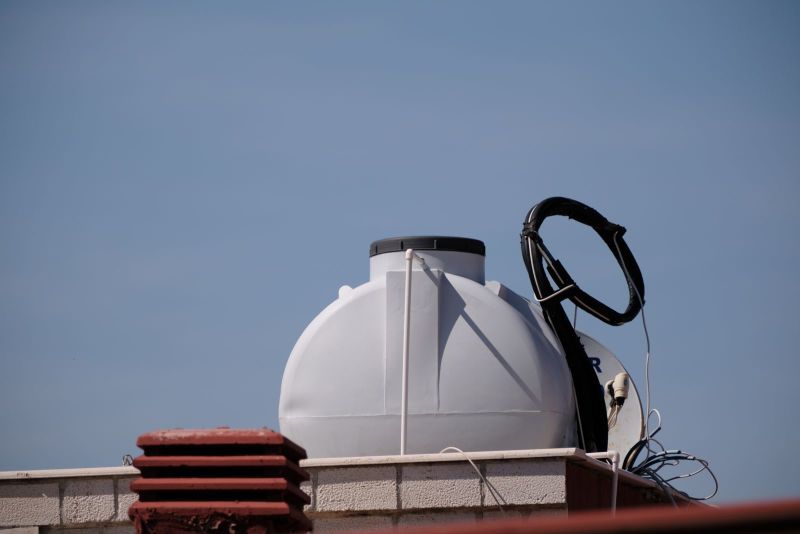
That tank is the hot water cylinder, and it's central to how a heat pump home works. It's usually a well-insulated unvented cylinder that holds mains-pressure hot water, so you still get a strong shower without a separate pump. Sizes typically run from 150 to 300 litres, chosen to match how many people live in the house and how much hot water they use.
If you're weighing up the switch, Green Home Boilers & Heat Pumps installs heat pumps and cylinders across Devon and can size the whole system to your home rather than selling you a one-size-fits-all package.
What Changes Inside Your Devon Home
The most obvious change is space. A combi hangs on a wall and that's it. A heat pump system needs the outdoor unit plus an indoor cylinder, and that cylinder has to live somewhere - an airing cupboard, a utility room, a loft, or a garage. In older Devon homes, particularly compact terraces and cottages, finding that space is often the trickiest part of the whole job, more so than the outdoor unit.
There's a plus side, though. Because the cylinder stores hot water, you get a decent buffer - useful for larger households where several people shower in the morning. And the reclaimed airing cupboard space is often smaller than people fear; a modern slimline cylinder is more compact than the bulky old vented tanks many Devon homes had before combis arrived.
You'll also notice heating feels different. Heat pumps run radiators or underfloor heating at a lower, steadier temperature, so rooms warm gently and stay even rather than blasting hot then cooling. In Devon's mild climate this suits most homes well, as the milder winters mean the system rarely has to work flat out.
What It All Costs in Devon
Let's put numbers on it. The hot water cylinder itself, supplied and fitted, runs £1,000 to £2,500 depending on size, quality, and how much pipework needs changing. That sits on top of the air source heat pump, which typically costs £8,000 to £15,000 installed for a Devon home.
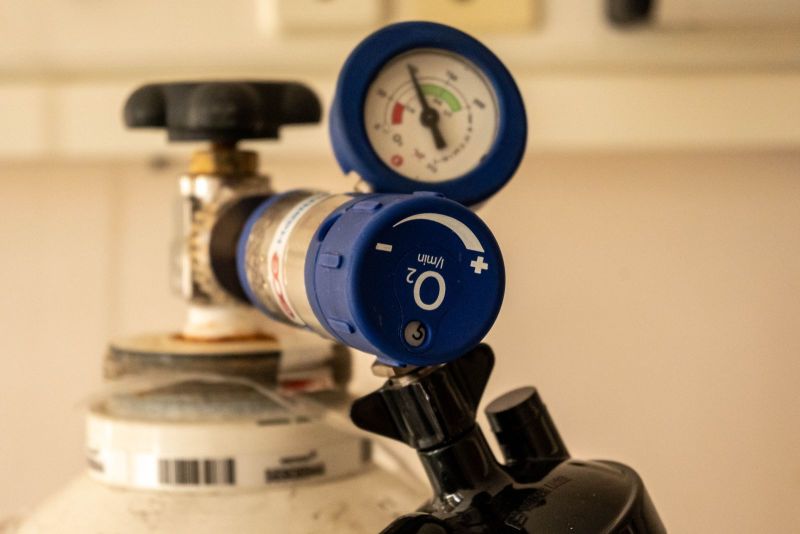
The good news is the government's grant takes a large chunk off. The Boiler Upgrade Scheme offers £7,500 towards an air source heat pump for eligible homes in England, which brings the net cost of a typical installation down substantially. The cylinder is part of the qualifying installation when fitted as part of the heat pump system.
Ongoing Running Costs
A well-designed heat pump in Devon typically runs at a lower cost than oil heating and is competitive with gas at current prices, thanks in part to the county's mild winters keeping efficiency high. The cylinder adds very little to running costs - it's well insulated and reheats efficiently. For impartial figures on heat pump running costs and efficiency, the Energy Saving Trust's guidance on air source heat pumps is a solid, non-commercial reference.
Why Devon's Off-Gas Villages Benefit Most
A striking share of Devon is off the gas grid - rural villages and hamlets across Mid and West Devon where homes run on oil, LPG, or electric heating. Oil in particular is expensive and its price swings with the market, so these homes often have the strongest case for a heat pump.
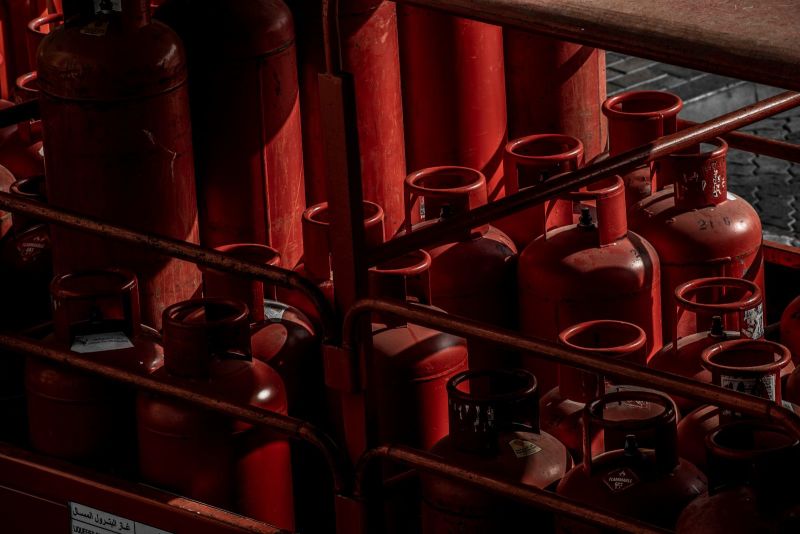
For an off-gas Devon property currently on oil, the switch to a heat pump plus cylinder replaces an expensive, volatile fuel with electricity and a system that qualifies for the £7,500 grant. The running-cost gap versus oil is where heat pumps look most attractive, and it's precisely these rural homes that stand to save the most.
The one thing to check in older rural properties is insulation. A heat pump works best in a reasonably well-insulated home, and some Devon cob and solid-stone cottages need upgrades to loft or wall insulation first. A good installer assesses this before quoting, so the system is sized for how the house actually performs.
Sizing the Cylinder to Your Household
Getting the cylinder size right matters more than people expect. Too small and you run out of hot water when several people need it; too large and you're paying to heat water you don't use. As a rough guide, a 150 - 180 litre cylinder suits a one or two-person home, 200 - 250 litres suits a typical family, and 250 - 300 litres suits a larger household with high demand.

Devon's moderately hard water in some areas is worth factoring in too. Scale can build up in cylinders and on immersion elements over time, gradually reducing efficiency. A well-specified system accounts for local water conditions, and where hardness is a real issue an installer may recommend measures to protect the cylinder and keep it running efficiently for its full 10 - 15 year lifespan.
The Role of the Immersion Backup
Most heat pump cylinders include an electric immersion heater as a backup and for the occasional legionella cycle - a periodic heat-up to a higher temperature that keeps the stored water safe. This runs briefly and infrequently, so it adds little to bills, but it's a useful safety net on the rare very cold Devon day when you want a quick top-up of hot water.
Choosing the Right Installer in Devon
For a heat pump and cylinder to work well together, installation quality is everything - more so than the brand of kit. To claim the Boiler Upgrade Scheme grant, the work must be done by an MCS-certified installer, so that certification is your first checkpoint. Devon has a growing pool of MCS-accredited heat pump installers as demand has risen, though good ones book up, so it's worth enquiring early.
A proper installer will survey your home, assess insulation and radiator sizes, calculate your hot water demand, and size both the heat pump and the cylinder to match. Beware anyone quoting a fixed package without visiting - a heat pump sized by guesswork tends to run inefficiently and cost more to run. The cylinder, its location, and the pipework should all be planned around your specific Devon property.
Done properly, a heat pump and cylinder is a system that should serve a Devon home well for well over a decade, quietly and efficiently, with the cylinder providing a reliable store of hot water all year round.
---
FAQ
Q: Do I need a hot water cylinder with a heat pump in Devon?
A: Yes, in almost all cases. A heat pump heats water gently and stores it, rather than heating it instantly like a combi boiler, so it needs a hot water cylinder to hold the stored water. Cylinders typically range from 150 to 300 litres, sized to your household. Expect to pay £1,000 to £2,500 fitted, on top of the heat pump.
Q: How much does a hot water cylinder cost when switching to a heat pump?
A: A suitable unvented cylinder, supplied and fitted, costs £1,000 to £2,500 in Devon depending on size, quality, and pipework. This sits on top of the heat pump itself, which is typically £8,000 to £15,000 installed. The Boiler Upgrade Scheme grant of £7,500 covers the qualifying installation, including the cylinder when fitted as part of the system.
Q: Where does the cylinder go if I've had a combi boiler?
A: The cylinder needs an indoor space such as an airing cupboard, utility room, loft, or garage. In compact Devon terraces and cottages, finding this space is often the trickiest part of the job. Modern slimline cylinders are more compact than the old vented tanks many homes had before combis, so the footprint is often smaller than expected.
Q: Are heat pumps a good fit for off-gas Devon homes?
A: Yes, often the best fit. Many Devon villages are off the gas grid and rely on expensive oil or LPG. A heat pump replaces that with electricity and qualifies for the £7,500 Boiler Upgrade Scheme grant, and the running-cost saving versus oil is significant. Insulation should be checked first, as heat pumps perform best in reasonably well-insulated homes.
---
You might also like