
Landlord Gas Safety Certificates in Devon: What You Need and What It Costs
If you let out a property in Devon, an annual gas safety certificate is not optional - it's the law, and getting it wrong can cost you thousands. The certificate, still widely called a CP12, must be renewed every 12 months by a Gas Safe registered engineer, and a typical Devon inspection runs between £60 and £120 depending on how many appliances you have. Skip it and the penalties are steep: fines under the Gas Safety (Installation and Use) Regulations 1998 can run to £6,000 or more, and serious cases carry unlimited fines and even prison. With Devon's large private rental and holiday-let market, thousands of local landlords need this check every year. This guide covers exactly what the certificate is, what it costs here, and the local quirks that catch Devon landlords out.
What a Landlord Gas Safety Certificate Actually Is
A landlord gas safety certificate - the CP12 - is a record confirming that every gas appliance, flue, and pipe in your rental has been checked and is safe to use. A Gas Safe registered engineer inspects each appliance for tightness, correct gas pressure, safe ventilation, and proper flue operation, then issues the certificate listing what was tested and any defects found. It's legally required every 12 months for any property you rent out.
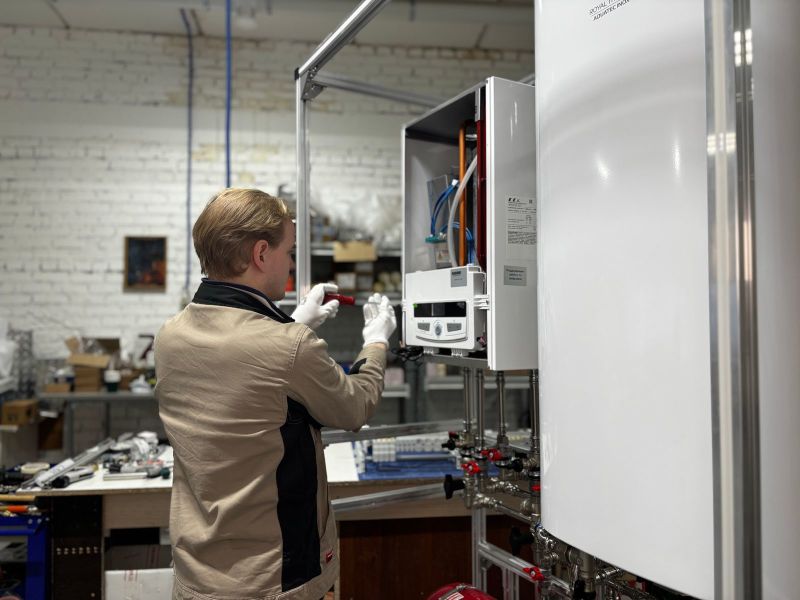
The check itself usually takes 30 to 60 minutes for a standard flat or small house, longer if you have several appliances. If you're not sure what applies to your property or you want an engineer who also handles boiler servicing in one visit, Green Home Boilers & Heat Pumps can carry out the safety check and any follow-up work together, which saves a second call-out fee.
You must give your tenant a copy of the certificate within 28 days of the check, and give new tenants a copy before they move in. Records must be kept for at least two years. Around 60% of UK homes still rely on gas for heating, so for most Devon rentals this is an annual fixture rather than a one-off.
What It Costs in Devon
Most Devon landlords pay between £60 and £120 for a gas safety certificate. The single biggest factor is the number of gas appliances: a check covering just a boiler sits at the lower end, while a property with a boiler, gas hob, and a gas fire pushes toward the top. Many engineers charge roughly £15 to £30 for each appliance beyond the first.

Location within Devon plays a part too. Inspections in and around Exeter, Exmouth, and Plymouth tend to be cheaper because engineers cover more jobs per day, while off-gas rural properties out toward Dartmoor or the mid-Devon villages can attract a small travel surcharge of £10 to £30. If you own several rentals, most engineers offer a portfolio discount, sometimes 10% to 20% off per property when checks are booked together.
It's usually worth bundling the certificate with an annual boiler service, which costs around £70 to £120 on its own. Doing both in one visit typically saves £30 to £50 versus two separate call-outs, and it keeps your boiler warranty valid at the same time.
The Legal Requirements Every Devon Landlord Must Meet
The rules come from the Gas Safety (Installation and Use) Regulations 1998, and they're not vague. As a landlord you must arrange an annual safety check on every gas appliance and flue, use only a Gas Safe registered engineer, and hand the certificate to your tenants within the 28-day window. You can read the full duties on the government's own summary of landlord responsibilities for gas safety, which sets out exactly what falls to you rather than the tenant.
There's useful flexibility on timing. You can have the annual check done up to two months before the current certificate expires and keep the original expiry date, so the deadline doesn't creep earlier each year. Miss the deadline entirely, though, and you're non-compliant from day one.
The penalties are what make this serious. The Health and Safety Executive enforces the regulations, and fines commonly reach £6,000 or more, with the most severe cases - especially where a tenant is harmed - carrying unlimited fines and up to six months in prison. The HSE's guidance on gas safety in the home is the authoritative reference for what compliance looks like.
Devon's Holiday-Let and Rental Market Makes This Bigger Than Most
Devon has one of the largest holiday-let and second-home markets in England, and gas safety rules apply to short-term lets just as they do to long tenancies. If you let a cottage in Salcombe or a coastal flat in Exmouth for even a few weeks a year, you still need a valid annual certificate. Many first-time holiday-let owners don't realise this until a booking platform or insurer asks for proof.
The county's private rented sector is substantial too - well over 100,000 rental households across Devon - and demand for Gas Safe engineers peaks in spring and early summer as owners prepare properties for the holiday season. Booking your check in the quieter autumn or winter months often means faster availability and, occasionally, a lower price.
High tenant turnover in holiday areas adds a second duty: you must give each new occupier a copy of the certificate before they move in. For a busy holiday let that changes hands weekly, keeping a copy on file at the property and a digital version to hand is the simplest way to stay on the right side of the rules.
Older Cob and Stone Properties Bring Their Own Challenges
Devon's housing stock includes a huge number of older cob, stone, and period properties, and these can complicate a gas safety check. Thick walls and unusual flue routes mean ventilation and flue clearances need careful inspection, and it's not unusual for an engineer to flag a ventilation issue that a modern build would never have. Roughly 20% of English homes were built before 1919, and in rural Devon that share is far higher.

Older heating systems in these homes are also more likely to have appliances that predate current standards. An engineer may find a gas fire or back boiler that's safe but ageing, and factoring in eventual replacement is wise - a failing appliance discovered at a check can turn a £70 visit into an urgent repair.
Because sludge and corrosion build up faster in older, larger systems, a safety check is a good moment to think about wider system health. We've covered this in more detail in our guide to power flushing central heating in Exeter, which pairs well with an annual gas check for keeping an older Devon system running efficiently.
Off-Gas Rural Properties and LPG
A large slice of rural Devon isn't on the mains gas grid. Estimates put around 15% of Devon households off the gas network, far above the roughly 4% national average, and many of these use LPG (bottled or bulk propane) for heating and cooking instead. The good news is that LPG appliances need the same annual safety check and a Gas Safe registered engineer can carry it out - but the engineer must specifically be registered for LPG work, which not all are.
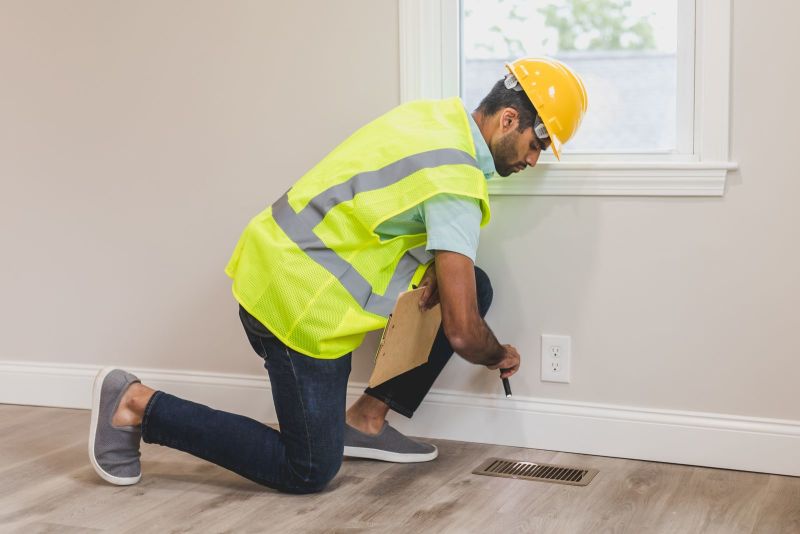
That registration detail matters when you're arranging a check for a Dartmoor farmhouse or a village property near Cullompton. Always confirm the engineer covers LPG before booking, and verify their registration and qualifications using the Gas Safe Register's online engineer check, which takes about a minute and shows exactly what work they're approved for.
Rural checks can cost slightly more once travel is factored in, typically £10 to £30 on top, but bundling with a boiler or LPG appliance service still keeps overall costs down. For remote properties, booking well ahead is sensible - engineer availability thins out the further you get from Exeter and Plymouth.
FAQ
Q: How much does a landlord gas safety certificate cost in Devon?
A: Most Devon landlords pay between £60 and £120 for a gas safety certificate, with the price driven mainly by the number of gas appliances. Extra appliances add roughly £15 to £30 each, and off-gas rural properties may carry a small travel surcharge of £10 to £30. Bundling the check with a boiler service usually saves £30 to £50 over separate visits.
Q: How often do I need a gas safety certificate for my rental?
A: Every 12 months. The law requires an annual safety check on every gas appliance and flue by a Gas Safe registered engineer. You can carry out the check up to two months before the current certificate expires and keep the same renewal date, so the deadline doesn't drift earlier each year.
Q: What happens if I don't have a valid gas safety certificate?
A: You're breaking the Gas Safety (Installation and Use) Regulations 1998. Fines commonly reach £6,000 or more, and serious cases - particularly where a tenant is harmed - carry unlimited fines and up to six months in prison. You may also invalidate your landlord insurance and be unable to serve a Section 21 notice in England.
Q: Do holiday lets and LPG properties in Devon need a certificate too?
A: Yes. Short-term holiday lets need the same annual certificate as long tenancies, and you must give each new occupier a copy before they move in. Off-gas properties using LPG also need an annual check, but the engineer must be Gas Safe registered specifically for LPG work, so confirm that before booking.
---
You might also like