
Air Source Heat Pump Installation in Teignmouth: Costs, Grants, and Coastal Siting
Teignmouth is unusual even by Devon standards: it faces open sea on one side and a wide tidal estuary on the other, and both of those bodies of water shape how a heat pump should be installed here. The climate is the easy part. The South West holds the mildest winters in the UK, and Teignmouth almost never sees the sustained sub-zero spells that dent efficiency further north, so a properly specified unit should hold a seasonal efficiency (SCOP) of around 3.5 to 4.0 - roughly three-and-a-half to four units of heat for every unit of electricity it draws. The harder part is that salt sits in the air from two directions, and much of the town is tightly packed terraced and seafront housing where finding a good spot for the outdoor unit takes thought. Installation runs £8,000 to £15,000 before the £7,500 government grant, which leaves most households paying £500 to £7,500. Here is what the job really involves in Teignmouth, what it costs, and where the coast changes things.
What a Heat Pump Costs to Install in Teignmouth
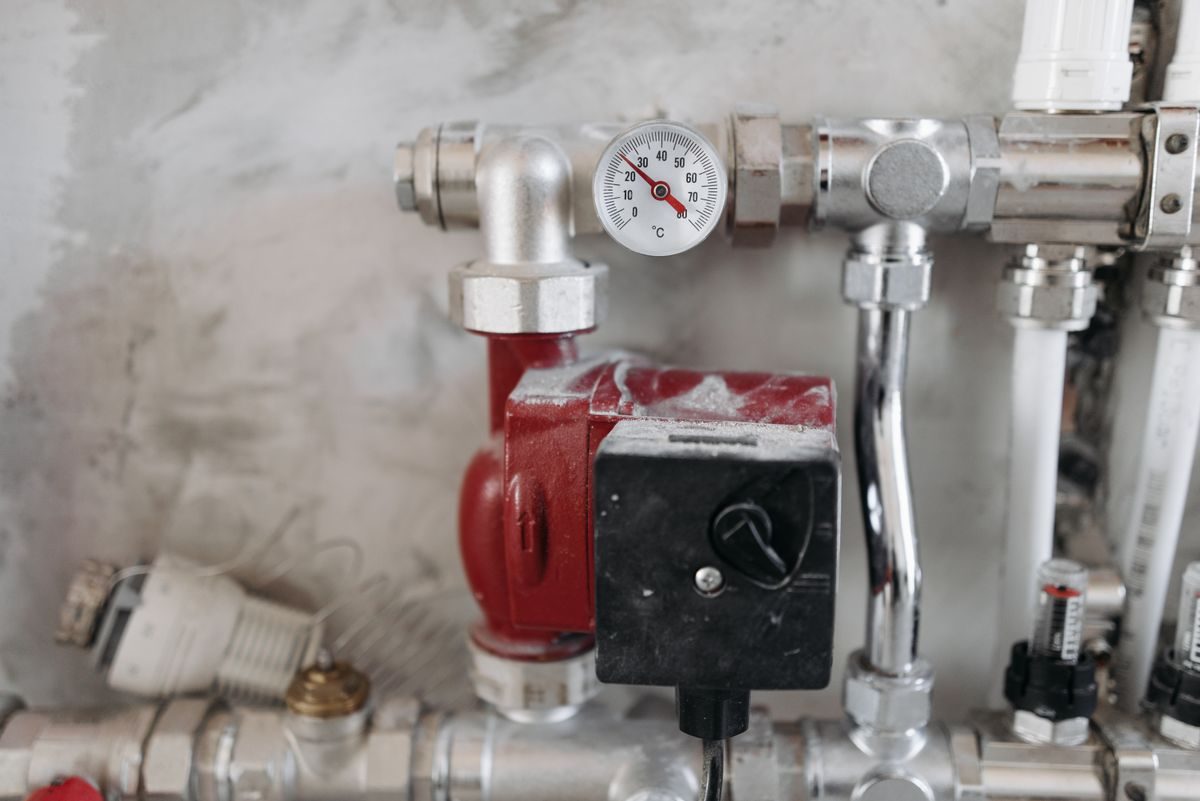
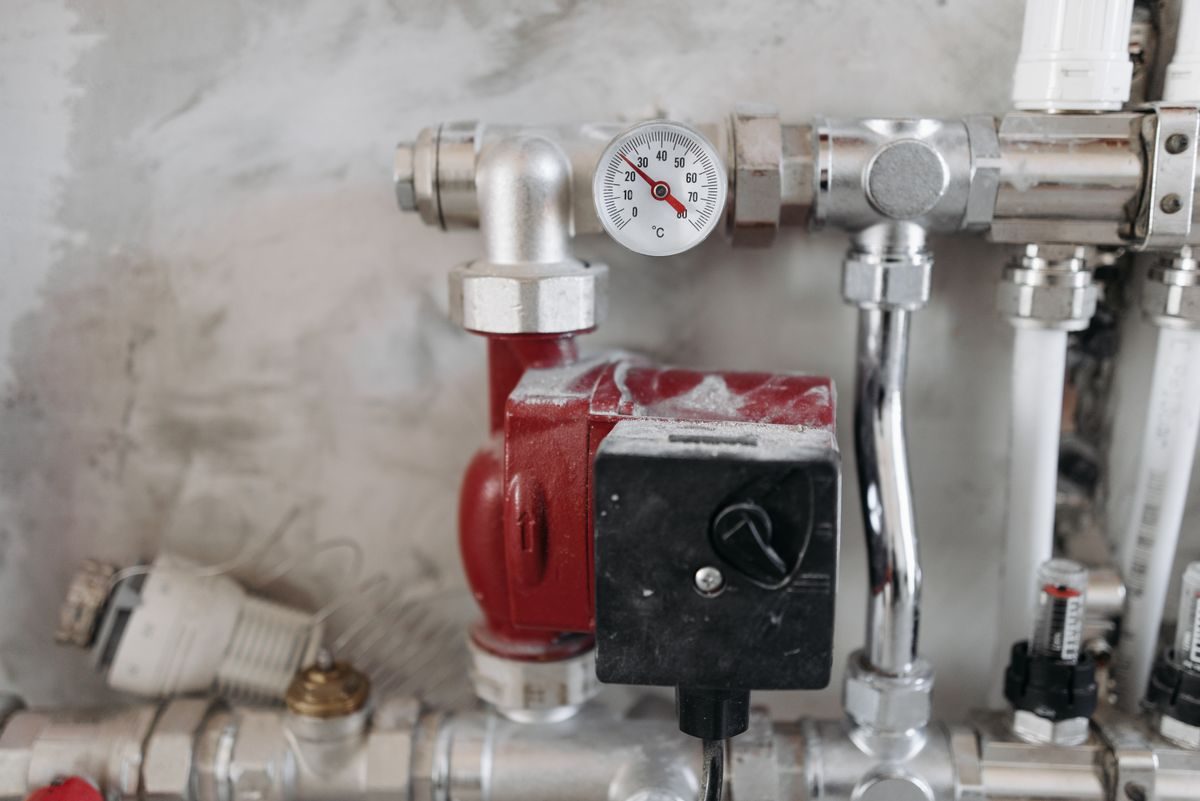
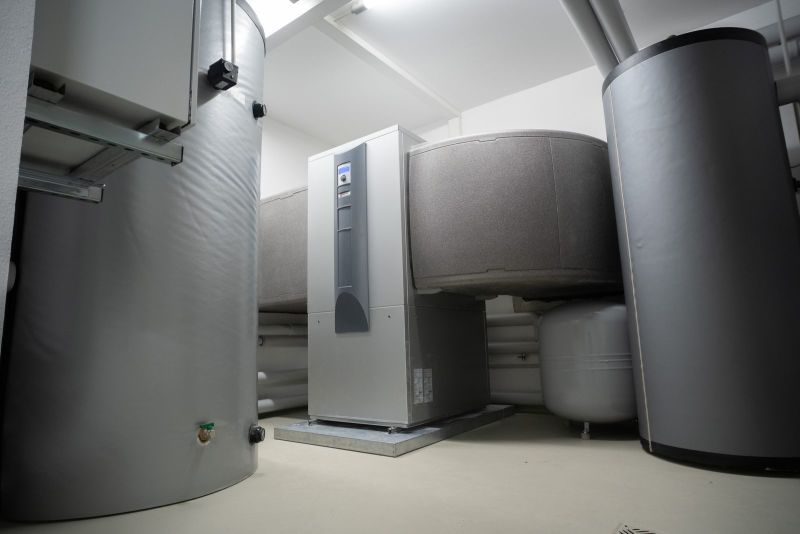
An air source heat pump is an outdoor box, roughly the footprint of a large suitcase stood on end, that pulls warmth from the outside air and moves it inside through a refrigerant loop. It feeds radiators or underfloor heating and a hot water cylinder, and it works at lower flow temperatures than a gas boiler - usually 45 to 55°C against a boiler's 70 to 80°C. That lower, steadier heat is why a well-set-up system feels different to live with, and why the survey stage matters so much.
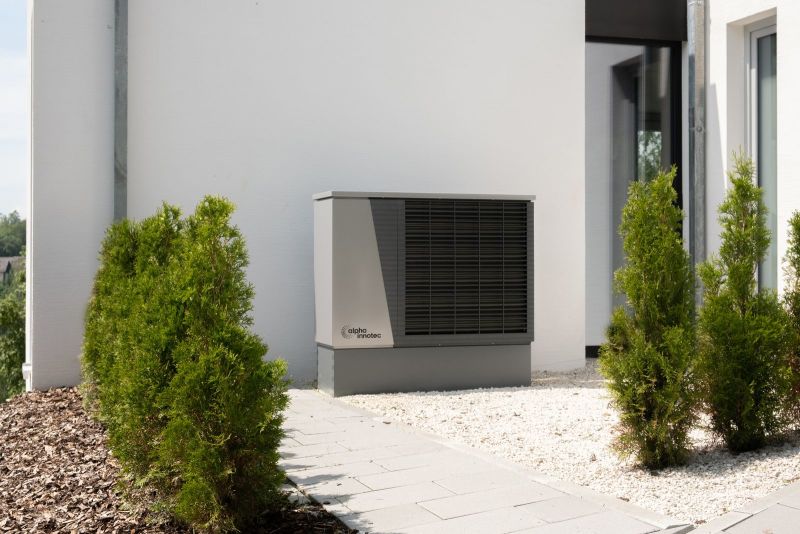
Before the grant, a typical Teignmouth install lands between £8,000 and £15,000. The unit itself is only about 40 to 50% of that - a decent 8 to 12kW pump is £3,500 to £6,000, and the rest goes on the cylinder, radiator and pipework changes, the electrical connection, labour and commissioning. After the £7,500 Boiler Upgrade Scheme grant is deducted, most homeowners here pay somewhere between £500 and £7,500, with a straightforward three-bed often netting out around £2,500 to £4,000.
If you want to know whether your own property is a simple swap or one that needs a little groundwork first, Green Home Boilers & Heat Pumps surveys and installs across Teignmouth and the wider Teignbridge coast, and a room-by-room heat loss survey is the only quote genuinely worth comparing.
Why Teignmouth's Sea and Estuary Air Both Matter
This is where Teignmouth differs from an inland town like Newton Abbot. Salt-laden air corrodes exposed metal, and an outdoor heat pump has an aluminium fin coil and a steel casing that both live in that air all year. Homes within roughly 1km of the shoreline sit in what manufacturers class as a marine or coastal environment, and in Teignmouth that zone is doubled up: the front of town faces the sea, while properties behind the Back Beach and along the Teign face the estuary, which still carries salt on the tide twice a day.
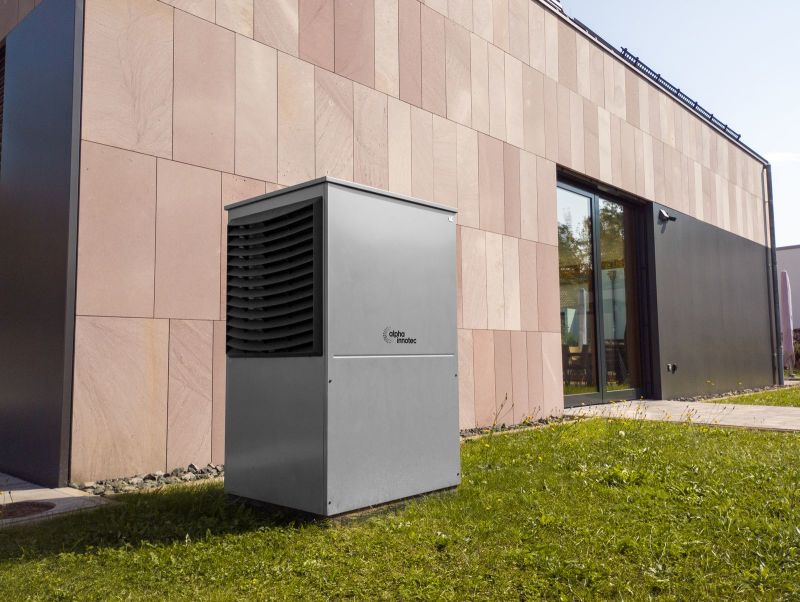
The fix is not complicated, but it needs specifying at the quote stage. Most reputable manufacturers offer a protective coil coating, often a blue-fin or epoxy layer, that slows salt corrosion considerably. On some ranges it adds nothing; on others it is £200 to £500, and near the water it earns that money back. An uncoated coil in a marine setting can lose noticeable efficiency within 5 to 8 years as the fins pit and degrade, while a properly protected one holds up for the 15 to 20 years a heat pump should last.
Rinsing and Positioning to Beat the Salt
Siting the unit on the more sheltered side of the property, out of the direct line of onshore wind and estuary spray, is the single biggest thing an installer can do to extend its life. A ten-minute freshwater rinse of the coil with a garden hose once or twice a year clears built-up salt and costs nothing beyond your time. On genuinely exposed plots a low screen or housing can cut spray further, as long as it leaves the 40 to 50 decibels of airflow the unit needs to breathe - box it in too tightly and you choke both performance and efficiency.
Siting a Unit in Teignmouth's Terraced Streets
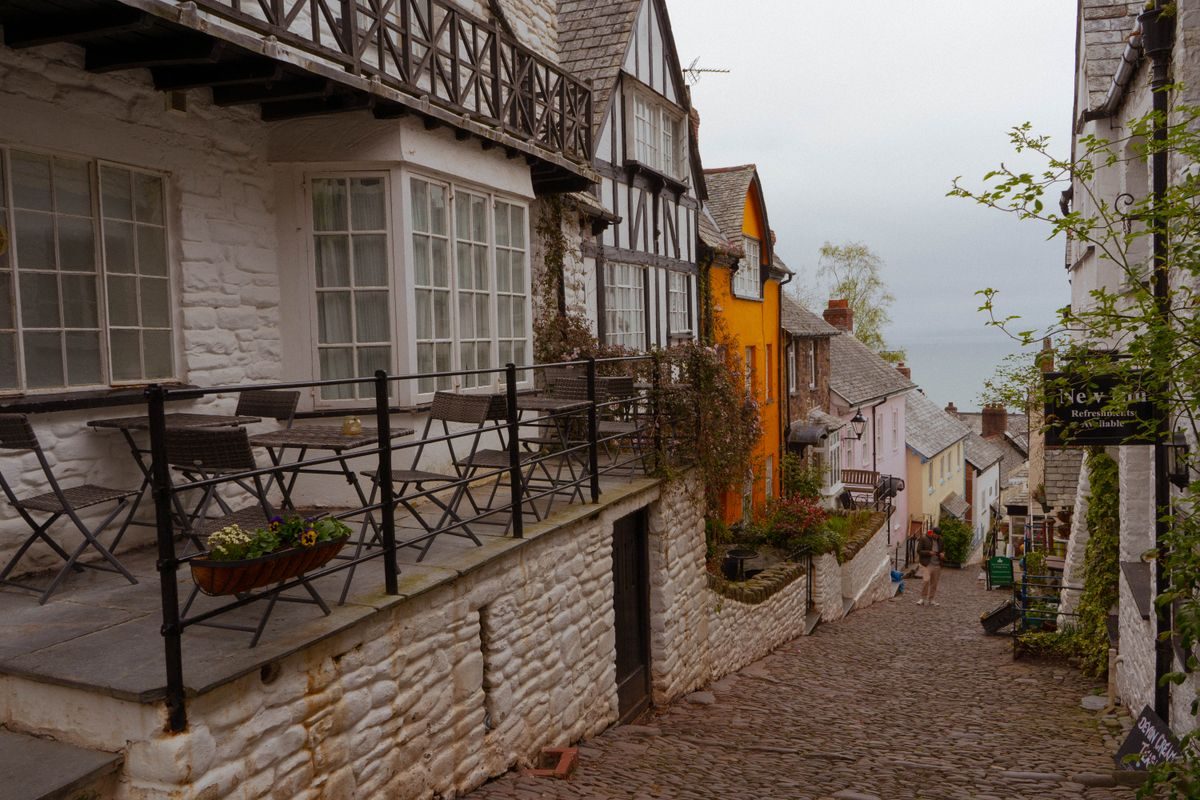
Teignmouth is dense in the middle. The Regency and Victorian terraces around the seafront, the Den and the old fishing quarter behind Back Beach have narrow side passages, small courtyards and shared boundaries, and that makes the outdoor unit's position a real design question rather than an afterthought. It is worth flagging early, because moving a unit after the fact means redoing pipework and electrics, not just sliding it along the wall.
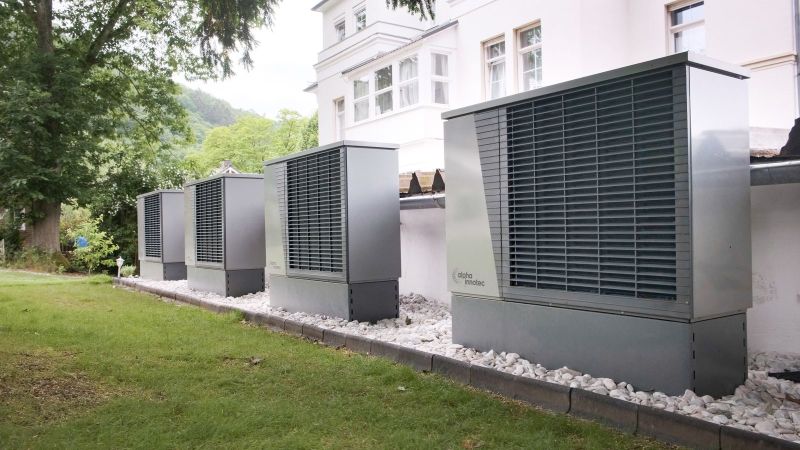
Permitted development rules ask for the unit to sit more than 1 metre from your property boundary in most cases, and on a tight terraced plot that alone can rule out the obvious spot by the back fence. A good installer works this out on the survey, before anything is ordered. Where the 1 metre rule cannot be met, the job still goes ahead - it just needs a planning application first, which around 1 in 5 closely spaced homes end up needing.
Noise is the other siting factor, and it is less of a worry than most people expect. A modern unit produces about 40 to 50 decibels at one metre, roughly the level of a quiet conversation, and that has to fall below 42 decibels at a neighbour's nearest window to qualify for permitted development. On a terraced street the installer simply chooses the quieter unit and the position that keeps you inside that limit.
The £7,500 Boiler Upgrade Scheme Grant
The biggest single figure in any 2026 quote is the grant, and it changes the maths completely. The government's Boiler Upgrade Scheme pays £7,500 towards an air source heat pump for eligible homes in England and Wales, and your MCS-certified installer claims it and takes it straight off the invoice - you never fill in the form or wait months for a refund.
To qualify you need to own the property, be replacing a fossil-fuel system such as gas, oil or LPG, and use an MCS-certified installer. The old requirement to clear every loft and cavity insulation recommendation on your EPC first has been dropped, which removed the single most common stumbling block for older coastal housing. For a Teignmouth household coming off oil or an ageing gas boiler, that £7,500 typically covers between half and three-quarters of the whole job.
How Teignmouth's Housing Stock Shapes the Price
The type of home you own is the main driver of the final number. Teignmouth's grand seafront terraces, the Regency villas around the Den and the solid-walled Victorian cottages of the old town lose more heat than a modern house, so they often need a slightly larger unit - adding £500 to £1,000 - and more radiator work to deliver enough warmth at a heat pump's lower flow temperature.
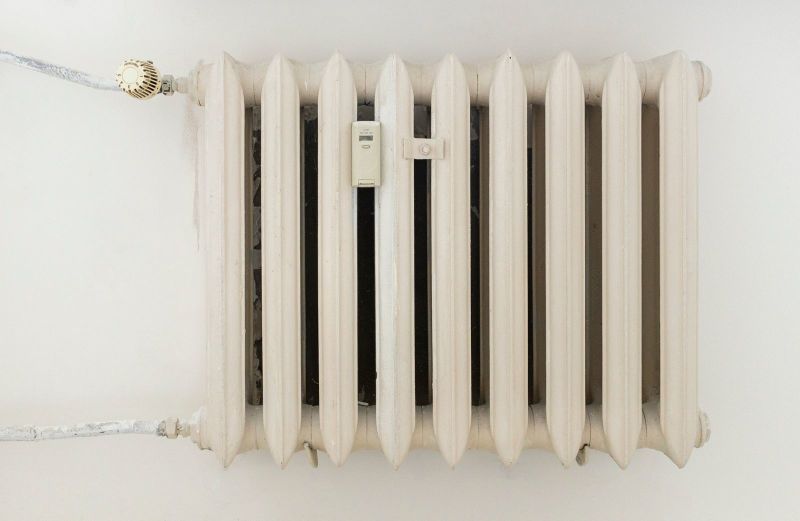
Older radiators are the usual sticking point rather than a dealbreaker. Many were sized for a hot-running boiler, so a heat loss survey commonly flags 3 to 6 radiators that need upgrading at £150 to £300 each. It appears as a clear line on the quote, not a surprise halfway through the job. The newer estates climbing away from the water, up towards Broadmeadow and the Coombe Vale side, tend to sit at the cheaper end - cavity walls, better insulation and radiators that often already cope at lower temperatures keep those installs near the bottom of the £8,000 to £15,000 range.
The Extras That Move the Quote
A few items separate a low quote from an honest one, so ask about them upfront: a replacement cylinder if you are leaving a combi (£1,000 to £2,000), older microbore pipework needing partial renewal (£500 to £1,500), a consumer unit upgrade for the dedicated circuit (£500 to £800), and near the water a coated coil (£200 to £500). None are dealbreakers, but they explain why two quotes for the same house can differ by thousands.
Off-Gas Villages Around Teignmouth
Around 15% of Devon homes have no mains gas connection, and the villages ringing Teignmouth are a good example. Bishopsteignton, Stokeinteignhead, Combeinteignhead and much of the Shaldon side across the estuary are largely off the gas grid, and many of those homes run on oil or LPG at roughly 8 to 10p per kWh of heat.
That is exactly where a heat pump saves the most. Against oil or LPG, a system holding a SCOP of 3.5 to 4.0 usually undercuts running costs rather than merely matching them, so for these off-gas households the payback is far friendlier than it is for a home swapping a cheap mains-gas boiler. The Energy Saving Trust's air source heat pump advice gives independent running-cost figures worth checking against - a typical three-bed uses roughly 2,600 to 2,900 kWh of electricity a year for heating and hot water, around £700 to £850 on a standard tariff and noticeably less on a dedicated heat pump tariff.
Finding an MCS Installer and What Install Day Looks Like
The grant only works with an MCS-certified installer, so this is not the place to cut a corner. Devon has a healthy and growing supply of certified firms - the South West has been one of the faster-growing regions for MCS certifications, helped by strong off-grid demand - so you should avoid the months-long waits reported elsewhere, though the better installers book 4 to 8 weeks ahead through autumn. You can check any firm in a couple of minutes on the MCS certified installer search before you sign anything, because it is that certification that stands behind your grant, your manufacturer warranty and your performance guarantee. We have walked through the coastal side of this in more detail in our guide to air source heat pump installation in nearby Dawlish, which covers salt and siting step by step.

On the day itself, a standard install is two to four days on site - longer if radiators, a new cylinder and electrical upgrades are all in scope. The outdoor unit goes on a base or wall bracket with clear airflow around it, the cylinder is fitted indoors, flagged radiators are swapped, and the system is filled, wired and commissioned. Commissioning is where a good installer earns their fee, setting the weather compensation and flow temperatures so the system runs efficiently rather than just runs. Expect a couple of days of disruption and heating that then holds a gentle, steady warmth rather than short hot blasts - which, in Teignmouth's mild coastal climate, is the heat pump doing precisely what it should for most of the year.
---
FAQ
Q: How much does an air source heat pump cost in Teignmouth?
A: Installation is £8,000 to £15,000 before support. The £7,500 Boiler Upgrade Scheme grant brings most Teignmouth homeowners down to £500 to £7,500 out of pocket, with a straightforward three-bed often landing around £2,500 to £4,000. The unit itself is only 40 to 50% of the total - the cylinder, radiator changes, labour and commissioning make up the rest.
Q: Does Teignmouth's sea and estuary air damage a heat pump?
A: It can if the unit is not specified for it, and Teignmouth is exposed on two sides, with salt coming off both the open sea and the tidal Teign estuary. Homes within about 1km of the water should use a coil with a protective coating (adding £200 to £500 on some ranges), site the unit on the sheltered side, and rinse the coil with fresh water once or twice a year. Done properly, a coastal heat pump lasts the same 15 to 20 years as an inland one.
Q: Will a heat pump work well in Teignmouth's climate?
A: Yes, better than in most of the UK. The mild South West coast rarely sees the sustained sub-zero cold that dents efficiency, so a well-installed system should hold a SCOP of around 3.5 to 4.0 across the long October-to-April heating season, delivering three-and-a-half to four units of heat for every unit of electricity.
Q: Can a heat pump be fitted on a tight terraced seafront property?
A: In most cases yes. The main constraint is the permitted development rule asking for the unit to sit more than 1 metre from your boundary, plus the 42 decibel noise limit at a neighbour's nearest window. On Teignmouth's Regency and Victorian terraces an installer works this out on the survey, and where the boundary rule cannot be met the job still goes ahead with a planning application - something around 1 in 5 closely spaced homes end up needing.
Q: Are heat pumps worth it for off-gas villages near Teignmouth?
A: Usually more so than for mains-gas homes. Bishopsteignton, Stokeinteignhead, Combeinteignhead and much of the Shaldon side are largely off the gas grid, running on oil or LPG at roughly 8 to 10p per kWh. A heat pump at a SCOP of 3.5 to 4.0 typically undercuts those fuels on running cost, so the payback maths is friendlier for these households.
---
You might also like