
Heat Pumps and Underfloor Heating in Devon: Why They Work So Well Together
Pair an air source heat pump with underfloor heating in a Devon home and you get close to the best a low-carbon system can offer. The reason is temperature. A heat pump is at its most efficient when it runs cool - a flow temperature of 35 to 45°C - and underfloor heating is designed to warm a room at exactly that range, where a radiator usually wants 45 to 55°C or more. Run cooler and the pump's seasonal efficiency (SCOP) climbs, often from around 3.2 with hot-running radiators towards 4.0 or better on underfloor, which is real money off a bill. Devon helps too: the mild South West climate keeps a heat pump in its efficient band for far more of the long October-to-April heating season than colder regions manage. With the £7,500 Boiler Upgrade Scheme grant on the table and heat pump installs at £8,000 to £15,000 before it, this is a pairing worth understanding before you commit. Here is why it works and what it costs.
Why Low Flow Temperature Is the Whole Point
Everything about the heat pump and underfloor pairing comes back to one number: flow temperature, the heat of the water leaving the unit. A gas boiler happily runs at 70 to 80°C, so it can push heat through small radiators quickly. A heat pump can reach those temperatures, but its efficiency falls sharply the hotter it works, because it has to do more to lift the air's warmth that far.
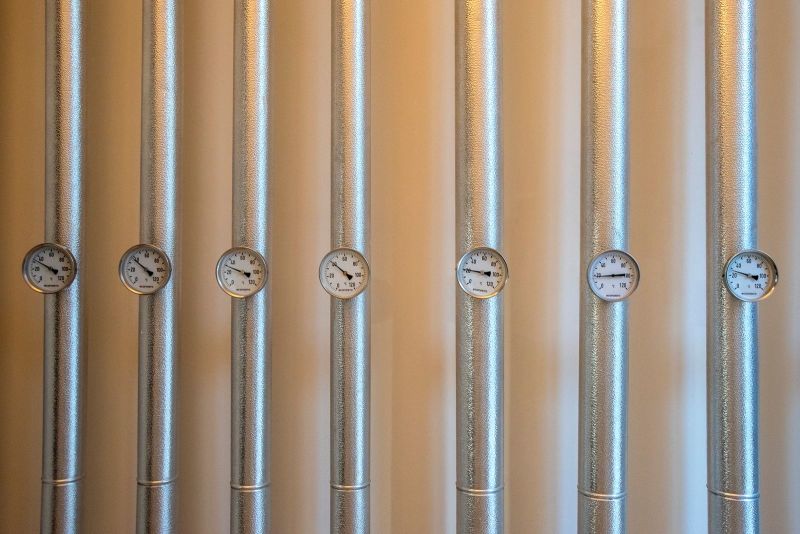
Underfloor heating sidesteps the problem entirely. It spreads warmth across the whole floor area rather than a small radiator panel, so it heats a room comfortably at just 35 to 45°C. That is squarely inside a heat pump's sweet spot, which is why the two are so often specified together.
The efficiency gain is not marginal. Dropping flow temperature from 55°C to 40°C can lift a heat pump's real-world SCOP by 15 to 25%, and on a typical Devon three-bed using 2,600 to 2,900 kWh of electricity a year for heat, that can be worth £100 to £200 annually. If you are weighing up a system, Green Home Boilers & Heat Pumps surveys homes across Devon and can model what your specific floors and flow temperatures would return before you spend anything.
Wet vs Electric: Only One Pairs With a Heat Pump
There are two kinds of underfloor heating, and the distinction matters enormously here. Wet (hydronic) underfloor heating circulates warm water through pipes laid under the floor, and it is the type that connects to a heat pump. Electric underfloor heating uses a heating mat run off the mains and has nothing to do with the pump at all - it is a fine choice for a single bathroom but far too expensive to run as a whole-house heat source, because electricity costs three to four times more per unit than the effective cost of heat from a pump.
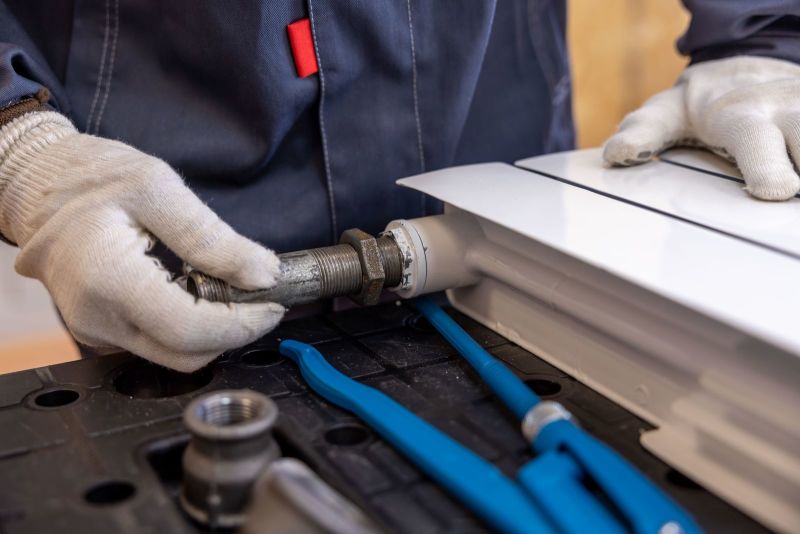
So when people talk about the heat pump and underfloor combination, they always mean a wet system. It shares the same water circuit, cylinder and controls as the pump, and a manifold distributes the flow between zones.
The Manifold and Zoning
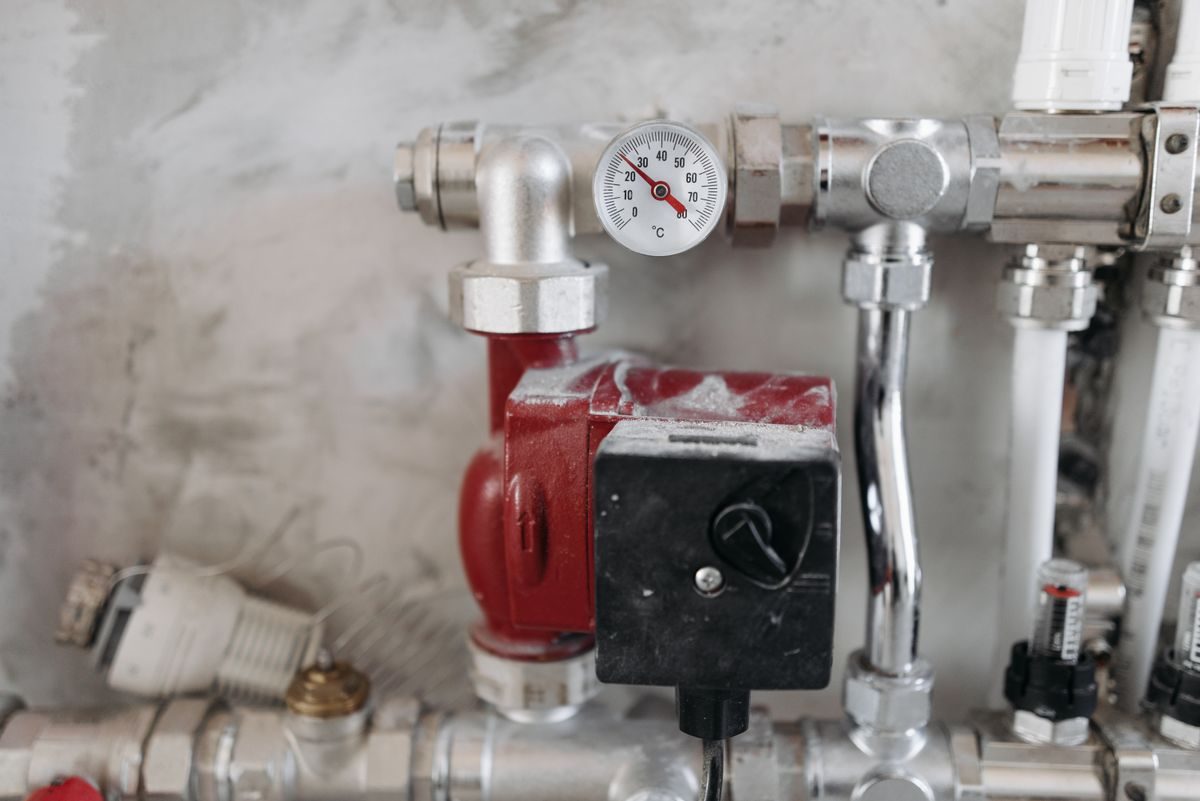
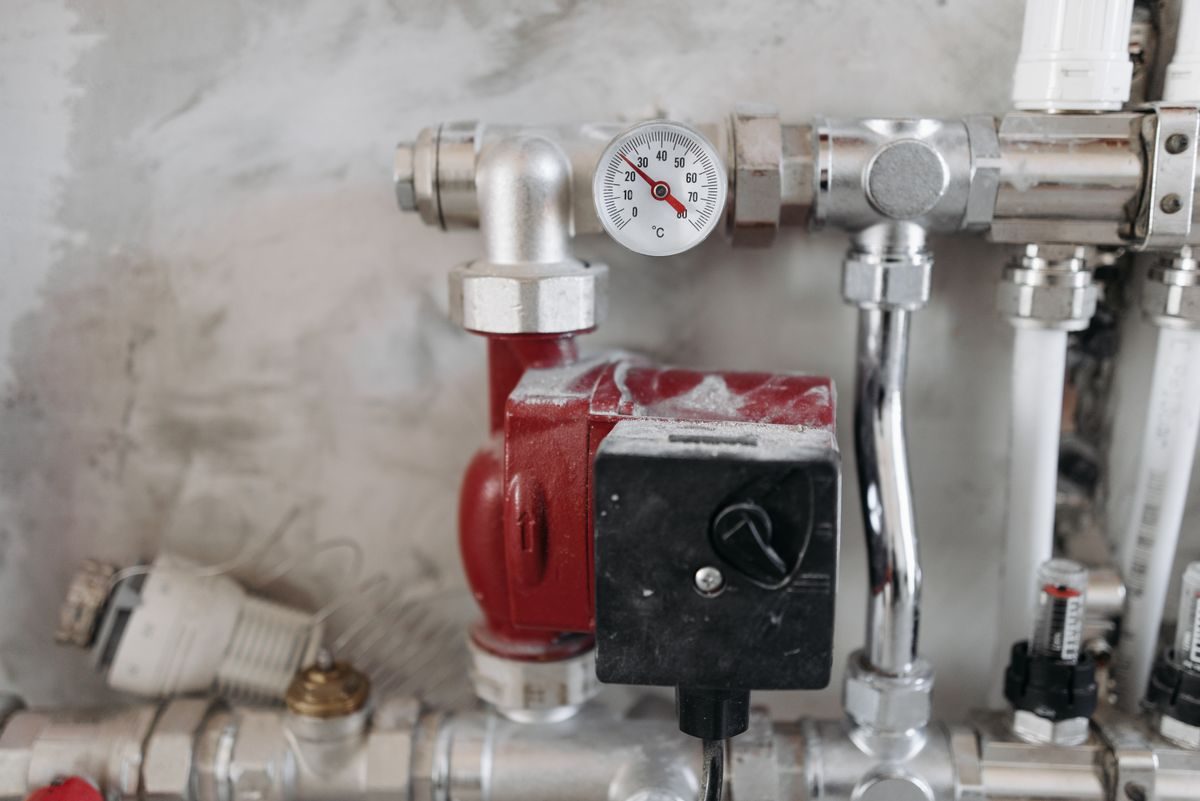
A wet underfloor system runs through a manifold, a compact set of valves that splits the heated water between loops and rooms. This lets you zone the house - warmer in the living areas, cooler in bedrooms - and a good installer will set the weather compensation so the whole system tracks the outside temperature. On a heat pump this zoning matters, because running fewer, longer, gentle cycles is exactly how a pump stays efficient, rather than the short hot blasts a boiler-and-radiator setup relies on.
Devon's Homes and How Well They Suit It
Devon's housing runs from Victorian and Edwardian terraces and solid-walled cob cottages to post-war semis and modern estates, and floor construction decides how easily underfloor heating goes in. The good news is that a large share of Devon's post-war stock, across towns like Exeter, Newton Abbot, Tiverton and Cullompton, sits on solid concrete ground floors. These are strong candidates, because the slab can be overlaid with insulation and a screed carrying the pipework.
Suspended timber floors, common in older Devon terraces and cottages, are more involved but far from impossible - the pipes are fitted between or over the joists with insulation beneath, and low-profile systems now add as little as 15 to 20mm to the floor height. Whole-house retrofit of wet underfloor is disruptive, so in practice most Devon homeowners fit it where floors are already coming up: a kitchen extension, a ground-floor renovation, or a full refurbishment.
The pairing is at its strongest in new-build and heavily renovated Devon homes, where underfloor throughout plus good insulation lets a heat pump run at 35°C all winter. Older solid-walled homes still benefit, but they usually want the floor insulation done well first so the heat goes up into the room rather than down into the ground.
What It Costs in Devon in 2026
Taking the two elements together gives you the real picture. Wet underfloor heating for a typical Devon ground floor, fitted as part of a renovation, runs around £3,000 to £7,000 depending on floor area and how much opening-up is needed. As a marginal add-on when floors are already up, the cost is considerably lower than retrofitting separately.
The heat pump itself is £8,000 to £15,000 before the £7,500 grant. The unit is only 40 to 50% of that - a quality 8 to 12kW pump is £3,500 to £6,000, with the cylinder (£1,000 to £2,000), pipework, labour and commissioning making up the rest. After the grant, most Devon homeowners land at £500 to £7,500 for the heat pump side.
Doing both together during one renovation is where the numbers work best. You avoid paying twice for the same floor and pipework disruption, and you hand the installer a system that will hit its efficiency figures from day one rather than being held back by hot-running radiators. We have covered the alternative route in our guide to upgrading radiators for a heat pump in Devon, which is the sensible choice where lifting floors is not practical.
The Grant and Getting It Installed Properly
The £7,500 grant applies to the heat pump, not the underfloor heating, but fitting underfloor makes the whole project a stronger, more efficient system for the same grant. The government's Boiler Upgrade Scheme gives that £7,500 towards an air source heat pump for eligible homes in England and Wales, and your MCS-certified installer applies for it and takes it straight off the invoice - you never handle the paperwork.
To qualify you own the property, replace a fossil-fuel system such as gas, oil or LPG, and use an MCS-certified installer. You can verify any firm in a couple of minutes on the MCS certified installer search, and it is worth doing, because that certification stands behind your grant, your manufacturer warranty and your performance guarantee.
Devon has a healthy and growing supply of certified installers - the South West has been one of the faster-growing regions for MCS certifications - so waits here tend to be weeks rather than the months reported elsewhere, though good firms book 4 to 8 weeks ahead in autumn.
Comfort, Running Costs and the Day-to-Day
Beyond the efficiency figures, the pairing simply feels better to live with. Underfloor heating gives an even, radiator-free warmth from the floor up, with no cold spots and no hot panels on the walls, and it frees the space radiators used to occupy. Because a heat pump runs steadily rather than firing in bursts, the temperature stays flat all day instead of swinging.
On running cost, the Energy Saving Trust's air source heat pump advice gives independent figures to check against - a typical three-bed uses roughly 2,600 to 2,900 kWh of electricity a year, around £700 to £850 on a standard tariff and less on a dedicated heat pump tariff. Run that pump at underfloor flow temperatures rather than radiator ones, and you are at the efficient end of that range rather than the costly one.
The trade-off to understand is response time. A concrete floor with underfloor heating warms and cools slowly, so it suits the steady, all-day running a heat pump does anyway rather than being switched hard on and off. Set on weather compensation and left to tick along, it is the quietest, most even heating most Devon homeowners will have lived with.
---
FAQ
Q: Why do heat pumps work better with underfloor heating in Devon?
A: Because of flow temperature. A heat pump is most efficient running cool, at 35 to 45°C, and underfloor heating warms a room comfortably at exactly that range, where radiators usually need 45 to 55°C or more. Dropping the flow temperature that way can lift a heat pump's real-world SCOP by 15 to 25%, worth roughly £100 to £200 a year on a typical Devon three-bed.
Q: Can I use my existing radiators with a heat pump instead of underfloor heating?
A: Yes, but often the radiators need upgrading. Radiators sized for a hot-running boiler are frequently too small to deliver enough heat at a heat pump's lower flow temperature, so a survey may flag 3 to 6 for replacement at £150 to £300 each. Underfloor heating avoids that by spreading warmth across the whole floor, but upgraded radiators are the practical choice where lifting floors is not.
Q: How much does wet underfloor heating cost in Devon?
A: Around £3,000 to £7,000 for a typical ground floor fitted as part of a renovation, depending on area and how much floor opening-up is needed. It is much cheaper as a marginal add-on when floors are already up. The heat pump is a separate £8,000 to £15,000 before the £7,500 grant, so fitting both during one renovation avoids paying twice for the same disruption.
Q: Does underfloor heating work in older Devon homes?
A: Yes, with the right approach. Solid concrete floors, common in post-war Devon housing, overlay easily with insulation and a screed. Suspended timber floors in older terraces and cottages are more involved but workable, and low-profile systems now add only 15 to 20mm to floor height. Getting the floor insulation right first matters most, so heat rises into the room rather than into the ground.
---
You might also like