
Air Source Heat Pump Installation in Dawlish: Costs, Grants, and Coastal Considerations
Dawlish is a seaside town of around 13,000 people on the Teignbridge coast, and its position on the water changes the heat pump conversation in ways that inland Devon towns never have to think about. The upside is climate: the South West has the mildest winters in the UK, and Dawlish rarely drops far below freezing, so a well-specified system here should hold a seasonal efficiency (SCOP) of roughly 3.5 to 4.0 - three-and-a-half to four units of heat for every unit of electricity. The complication is salt. An outdoor unit sitting a few hundred metres from breaking waves needs siting and specifying with corrosion in mind, or it will not last the 15 to 20 years it should. Installation runs £8,000 to £15,000 before the £7,500 government grant, leaving most homeowners paying £500 to £7,500. Here is what the job involves in Dawlish, what it costs, and where the coast makes a difference.
What Air Source Heat Pump Installation Involves in Dawlish
An air source heat pump is an outdoor unit, about the size of an air conditioning box, that draws warmth from the outside air and moves it indoors through a refrigerant circuit. It feeds your radiators or underfloor heating and heats a hot water cylinder, running at lower flow temperatures than a gas boiler - typically 45 to 55°C against a boiler's 70 to 80°C.
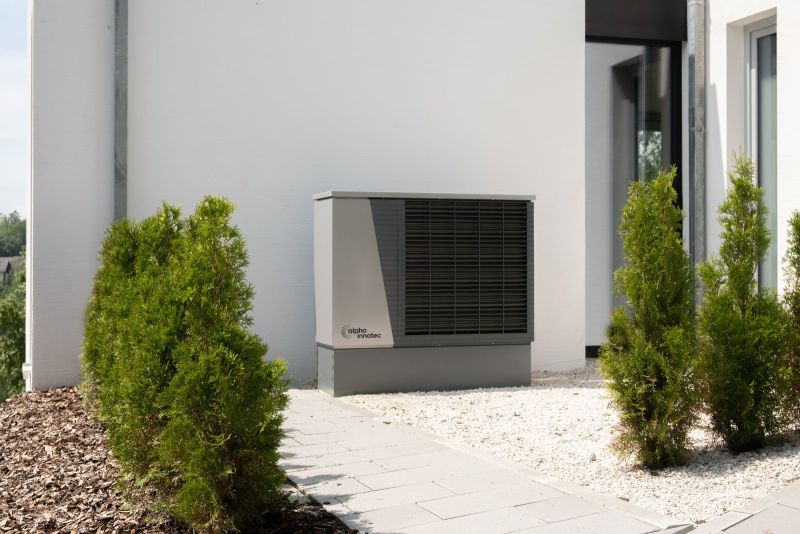
A full install is really four connected jobs: a room-by-room heat loss survey, radiator and pipework checks, a new hot water cylinder if you are coming off a combi, and the electrical connection. Most Dawlish installs take two to four days on site, occasionally longer where radiator or electrical upgrades are extensive.
If you want to know whether your particular property is a straightforward swap or one that needs some preparation first, Green Home Boilers & Heat Pumps surveys and installs across Dawlish and the surrounding Teignbridge coast, and a proper heat loss survey is the only quote worth trusting.
Why Dawlish's Coastal Air Changes the Installation
This is the part that sets Dawlish apart from Exeter or Newton Abbot. Salt-laden air corrodes exposed metal, and an outdoor heat pump has an aluminium fin coil and a steel casing that both sit in it year-round. Homes within roughly 1km of the coast - which covers most of central Dawlish and the seafront - are in what manufacturers class as a marine or coastal environment, and that has practical consequences for both the unit you choose and where it goes.
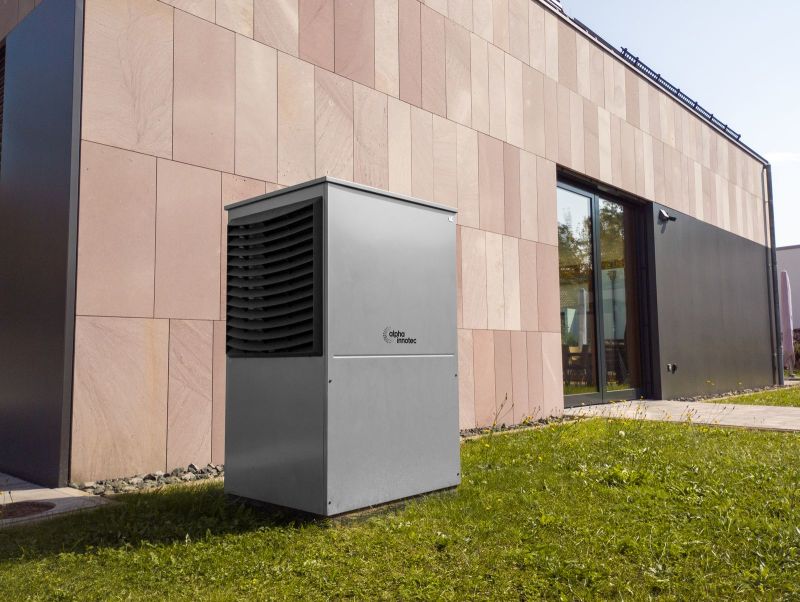
Most reputable manufacturers now offer coil coatings, often a "blue fin" or epoxy hydrophilic layer, that slow salt corrosion considerably. Specifying a coated unit adds little to nothing on some ranges and £200 to £500 on others, and on the Dawlish seafront it is money well spent - an uncoated coil in a marine setting can lose noticeable efficiency within 5 to 8 years as the fins degrade, against 15 years-plus for a properly protected one.
Siting the Unit Away From Salt Spray
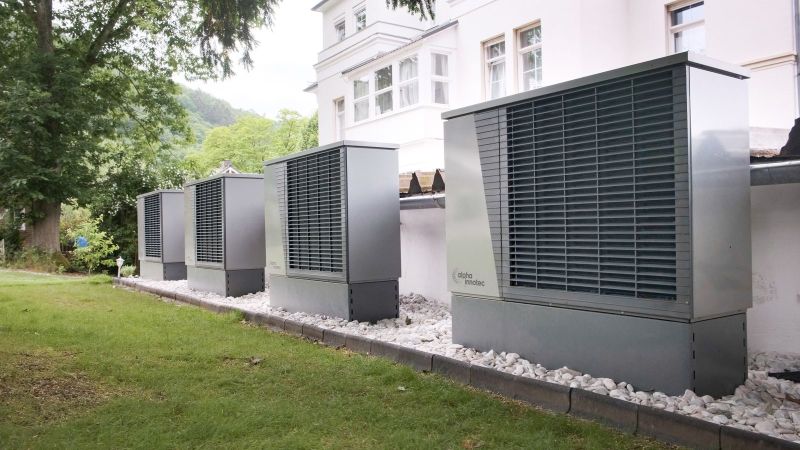
Where the unit goes matters as much as which unit it is. A good installer will put it on the landward or sheltered side of the property wherever the survey allows, avoiding the direct line of onshore wind and spray. A simple annual freshwater rinse of the coil, which takes ten minutes with a garden hose, clears accumulated salt and is the single cheapest thing you can do to extend the unit's life. For exposed seafront villas, a modest housing or screen that still allows the 40 to 50 decibel airflow the unit needs can cut salt exposure further without choking performance.
The £7,500 Boiler Upgrade Scheme Grant
The biggest single number in any 2026 quote is the grant. The government's Boiler Upgrade Scheme gives £7,500 towards an air source heat pump for eligible homes in England and Wales, and your MCS-certified installer applies for it and takes it straight off your invoice - you never handle the paperwork or wait for a refund.
To qualify you need to own the property, be replacing a fossil-fuel system such as gas, oil or LPG, and use an MCS-certified installer. The old rule that forced you to clear every loft and cavity insulation recommendation on your EPC first has been dropped, which removed the most common obstacle for older coastal housing.
The scheme is run by the energy regulator, and Ofgem's Boiler Upgrade Scheme pages set out the eligibility detail and confirmed budget if you want the official source rather than an installer's summary. With the grant applied, a typical Dawlish three-bed often nets out around £2,500 to £4,000 out of pocket.
What Dawlish's Property Types Mean for Cost
Dawlish's housing splits fairly neatly, and the type you own is the main driver of the final figure. The grand Victorian and Edwardian seafront villas and the terraced cottages of the old town around The Strand and Brook Street are solid-walled, which loses more heat, so they often need a slightly larger unit - adding £500 to £1,000 - and more radiator work than a modern home.

Post-war and newer estates inland, around Secmaton Lane, Elm Grove and the developments climbing away from the seafront, are the cheaper end. Cavity walls, better insulation and radiators that frequently already run happily at lower flow temperatures keep these jobs near the bottom of the £8,000 to £15,000 range.
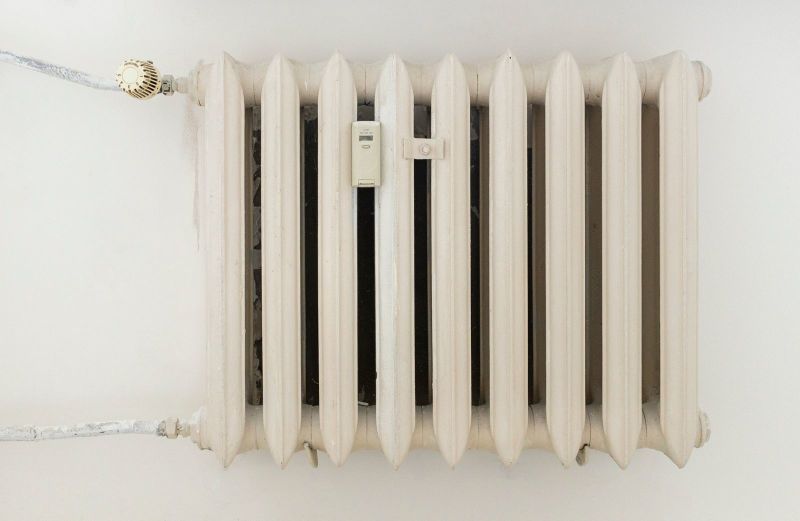
Older Dawlish radiators are the usual sticking point rather than a dealbreaker. Many were sized for a hot-running boiler, so a heat loss survey commonly flags 3 to 6 radiators needing an upgrade at £150 to £300 each so they deliver enough heat at the lower flow temperature a pump uses. It shows up as a clear line on the quote, not a nasty surprise later.
Off-Gas Villages Around Dawlish and Why the Sums Add Up
Around 15% of Devon homes have no mains gas connection, and the villages ringing Dawlish are a good example. Cofton, Starcross, Cockwood, Kenton and the scattered homes towards Mamhead are largely off the gas grid, and many run on oil or LPG at roughly 8 to 10p per kWh of heat.
That is precisely where a heat pump saves the most. Against oil or LPG, a system holding a SCOP of 3.5 to 4.0 usually undercuts running costs rather than just matching them, so for these off-gas households the payback maths is far friendlier than it is for a home swapping a cheap mains-gas boiler. The Energy Saving Trust's air source heat pump advice gives independent running-cost figures worth checking against - a typical three-bed uses roughly 2,600 to 2,900 kWh of electricity a year, around £700 to £850 on a standard tariff and less on a dedicated heat pump tariff.
What Installation Actually Costs in Dawlish in 2026
Here is the honest breakdown. A straightforward install - a reasonably insulated three-bed with radiators that mostly cope at lower flow temperatures - runs around £8,000 to £10,500 before the grant. A larger or older seafront property needing a bigger coated unit, a new cylinder and several radiator changes pushes towards £12,000 to £15,000.
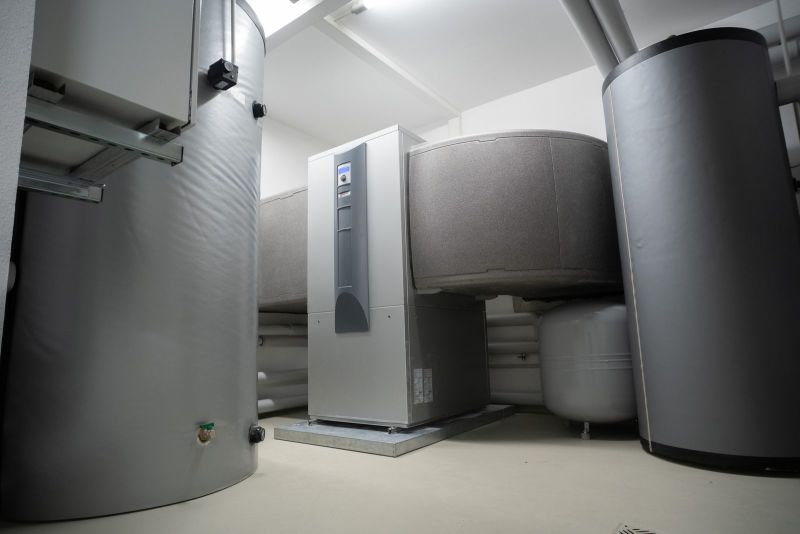
The unit itself is only 40 to 50% of the bill. A quality 8 to 12kW heat pump is £3,500 to £6,000; the rest is the cylinder at £1,000 to £2,000, radiator and pipework changes, labour and commissioning. After the £7,500 grant, most Dawlish homeowners pay £500 to £7,500.
The Extras That Move the Price
Watch for the items that separate a low quote from a high one: a replacement cylinder if you are leaving a combi (£1,000 to £2,000), older microbore pipework needing partial replacement (£500 to £1,500), a consumer unit upgrade for the dedicated circuit (£500 to £800), and on the coast a coated coil (£200 to £500). None are dealbreakers, but ask about them upfront so the quote you compare is the real number.
Finding an MCS Installer on the Devon Coast
The grant only works with an MCS-certified installer, so this is not a corner to cut. Devon has a healthy and growing supply of certified firms - the South West has been one of the faster-growing regions for MCS certifications, helped by strong off-grid demand - so you should not face the months-long waits reported elsewhere, though the best installers book 4 to 8 weeks ahead in autumn.

You can verify any firm in a couple of minutes on the MCS certified installer search. It is the certification that stands behind your grant, your manufacturer warranty and your performance guarantee, so check it before you sign anything. We have set out the full process in more detail in our guide to air source heat pump installation in nearby Newton Abbot, which covers the survey and fitting stages step by step.
Planning is rarely an obstacle. Air source heat pumps are permitted development for most Dawlish homes, subject to standard conditions on siting and distance from boundaries. Listed seafront villas, flats and properties in Dawlish's conservation area need a conversation with Teignbridge District Council first, but installations in all of these happen routinely.
What Happens on Installation Day
Once the quote is accepted and the survey done, a standard install is two to three days on site, or four to six if radiators, a new cylinder and electrical upgrades are all in scope. The outdoor unit goes on a base or wall bracket with clear airflow around it, the cylinder is fitted indoors, radiators are swapped where the survey flagged them, and the system is filled, wired and commissioned.
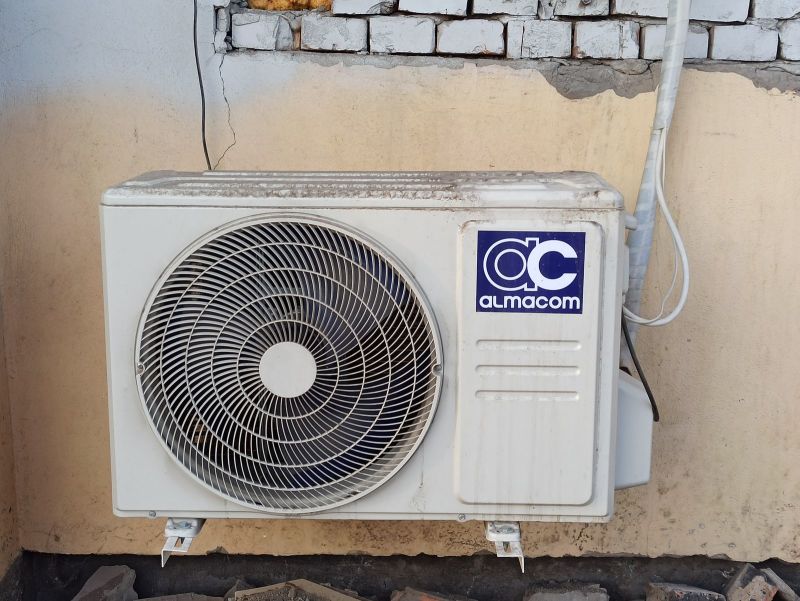
Commissioning is where a good installer earns their fee. They set the weather compensation and flow temperatures so the system runs efficiently rather than just runs, and they walk you through the controls. A modern heat pump at normal operation produces around 40 to 50 decibels at one metre - about the level of a quiet conversation - so once it is sited sensibly away from bedrooms and boundaries you will barely notice it.
Expect a couple of days of disruption, a cylinder that now needs some airing-cupboard space, and heating that runs steadily at a lower temperature rather than in short hot blasts. In Dawlish's mild coastal climate, that gentle constant warmth is the heat pump doing exactly what it should for most of the year.
---
FAQ
Q: How much does an air source heat pump cost in Dawlish?
A: Installation is £8,000 to £15,000 before support. The £7,500 Boiler Upgrade Scheme grant brings most Dawlish homeowners down to £500 to £7,500 out of pocket, with straightforward three-bed jobs often landing around £2,500 to £4,000. The unit is only 40 to 50% of the total - the cylinder, radiator changes, labour and commissioning make up the rest.
Q: Does Dawlish's salt air damage a heat pump?
A: It can, if the unit is not specified for it. Homes within about 1km of the coast should use a coil with a protective coating (adding £200 to £500 on some ranges), site the unit on the sheltered landward side, and rinse the coil with fresh water once a year. Done properly, a coastal heat pump lasts the same 15 years-plus as an inland one; done carelessly, an uncoated coil can degrade within 5 to 8 years.
Q: Will a heat pump work well in Dawlish's climate?
A: Yes, better than in most of the UK. The mild South West coast rarely sees the sustained sub-zero cold that dents heat pump efficiency, so a well-installed system should achieve a SCOP of around 3.5 to 4.0 across the long October-to-April heating season, delivering three-and-a-half to four units of heat per unit of electricity.
Q: Are heat pumps worth it for off-gas villages near Dawlish?
A: Usually more so than for mains-gas homes. Villages like Cofton, Starcross, Cockwood and Kenton are largely off the gas grid, running on oil or LPG at roughly 8 to 10p per kWh. A heat pump at a SCOP of 3.5 to 4.0 typically undercuts those fuels on running cost, so the payback maths is friendlier for these households.
Q: Do I need planning permission for a heat pump in Dawlish?
A: In most cases, no - air source heat pumps are permitted development for the majority of homes, subject to standard siting conditions on airflow and distance from boundaries. Listed seafront villas, flats and properties in Dawlish's conservation area should check with Teignbridge District Council first, but installations in all of these still go ahead regularly.
---
You might also like