
Smart Heating Controls in Exeter: What Actually Saves Money and What's Just Marketing
The smart thermostat market is full of confident claims about energy savings. Nest says 10-12%. Hive says 17%. The honest answer is that the actual saving depends almost entirely on how poorly your current controls are set up. If you're already running a well-programmed timer and room thermostat, adding a smart thermostat might save you 3-5%. If you're on a basic programmer and have been overriding it constantly, the savings are real.
This matters in Exeter because Devon heating seasons are long - mild enough that the heating goes on later than northern England, but damp winters that stretch into April mean systems run for six to seven months a year. Small control improvements compound over a long season.
What Smart Controls Actually Do
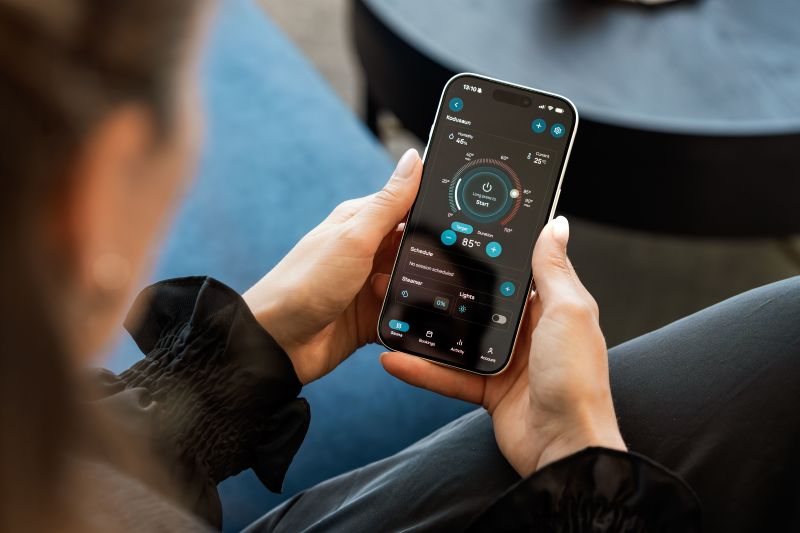
The core function is remote control and scheduling flexibility. You can adjust your heating from your phone, set more granular schedules than a traditional programmer allows, and - with some systems - let the thermostat learn your patterns and adjust automatically.
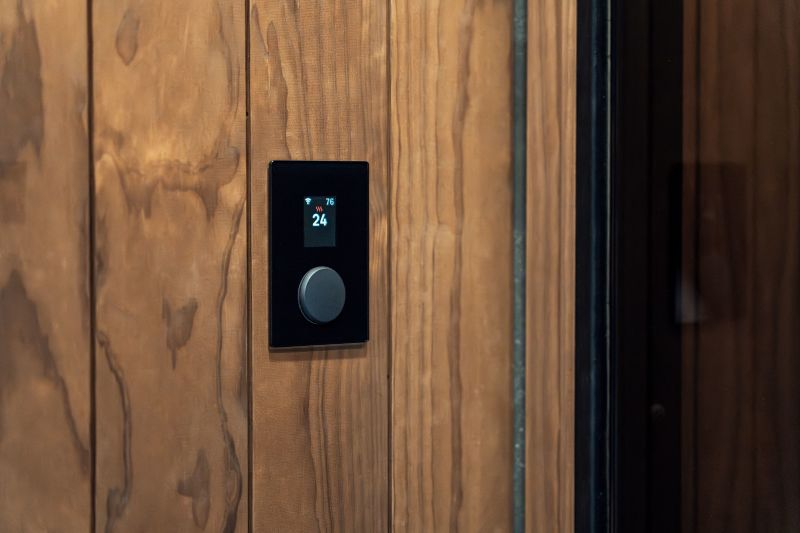
The genuinely useful features:
Geofencing. The thermostat detects when your phone leaves home and drops the heating. When you're heading back, it starts warming the house in time for your return. For anyone with an irregular schedule, this beats a fixed timer.
Weather compensation (via external sensors or internet weather data). Some systems modulate the flow temperature based on outside temperature, rather than running the boiler at full output on a mild day. This is particularly effective with modern condensing boilers, which run most efficiently at lower flow temperatures.
Zone control. Wireless smart TRVs (thermostatic radiator valves) on individual radiators allow different temperatures in different rooms without the wiring required for a traditional zone system. Useful if you have rooms that run hot or rooms that aren't regularly used.
What Smart Controls Don't Fix
A smart thermostat won't fix an oversized boiler that short-cycles. It won't fix a system that hasn't been balanced since installation. It won't compensate for poor insulation - the heat still escapes at the same rate. And it won't make a heat pump run more efficiently if the heat pump was incorrectly specified or the radiators are undersized for low-temperature operation.
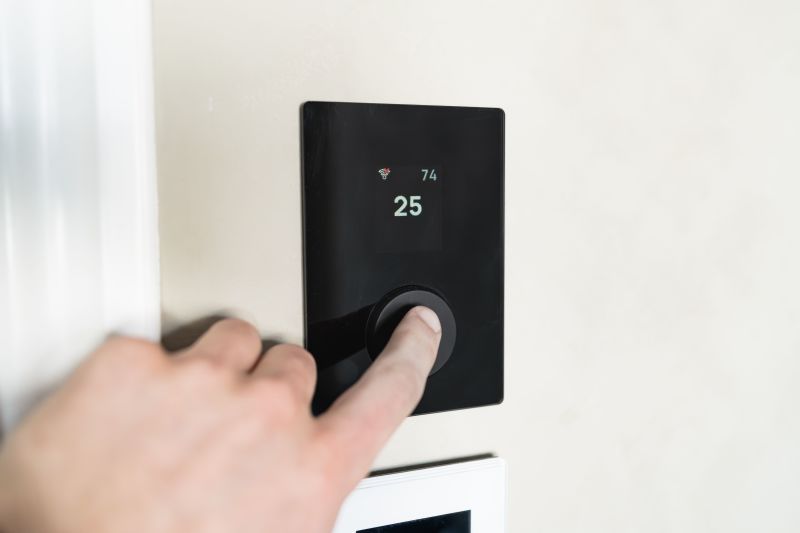
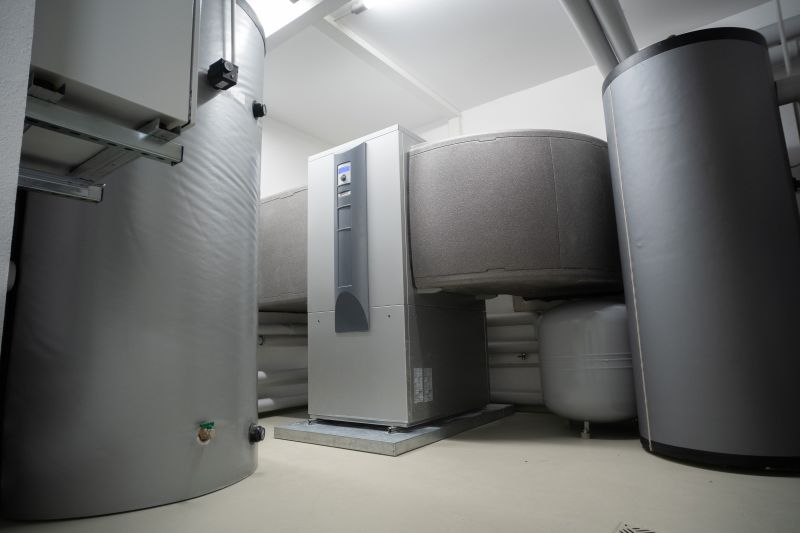
We've covered heat pump installation in Devon and the controls question comes up regularly: smart controls help a heat pump system most when they allow the system to run at lower, steadier output rather than cycling on and off. A thermostat that calls for heat in short bursts is worse for heat pump efficiency than one that maintains a gentle, consistent temperature.
What to Look For in Exeter
OpenTherm compatibility is worth checking. OpenTherm is a communication protocol that lets a compatible thermostat talk directly to a compatible boiler, modulating the boiler output rather than just switching it on and off. A standard thermostat turns the boiler on at full output and off when temperature is reached. An OpenTherm thermostat can tell the boiler to run at 40% output continuously, which is more efficient and more comfortable. Most modern Worcester Bosch, Ideal, and Vaillant boilers support OpenTherm.
Costs in Exeter
Smart thermostat only (Nest, Hive, Drayton Wiser), supply and install: £150-£300.
Smart thermostat with OpenTherm connection: £200-£380.
Smart TRVs on all radiators (10-12 radiator house): £400-£700 for the valves, additional labour if fitting is needed throughout.
Full smart zone system with thermostat and wireless TRVs: £600-£1,200 installed.
FAQ
Q: Will a smart thermostat save money in an Exeter home?
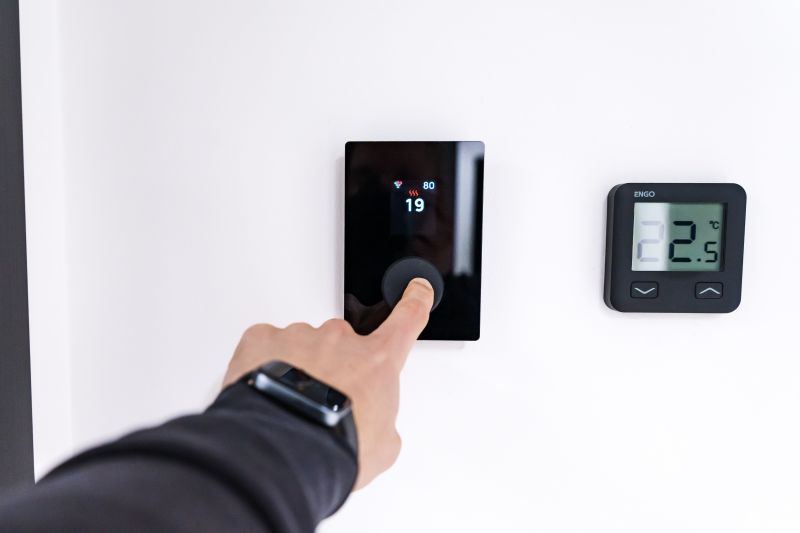
It depends on your current controls and behaviour. If you have an old, poorly programmed timer or a habit of leaving the heating on when out, the savings are real - often 10-15%. If your current setup is already well-optimised, the gain is smaller. Geofencing and better scheduling are where the practical value comes from.
Q: What's OpenTherm and do I need it?
OpenTherm is a protocol that lets a compatible thermostat modulate your boiler output rather than just switching it on and off. It makes the boiler run more efficiently and quietly. If your boiler supports it, an OpenTherm-compatible thermostat is worth the small price premium.
Q: Do smart TRVs replace the main thermostat?
No. Smart TRVs control individual radiators but the main thermostat controls the boiler. You typically need both - a room stat to tell the boiler when to run, and TRVs to manage individual room temperatures.
Q: Are smart heating controls compatible with heat pumps?
Yes, and they work particularly well. Heat pumps are most efficient when running at steady, low output rather than cycling. Smart controls that maintain a consistent setpoint rather than large temperature swings improve heat pump performance.
Q: How long does it take to install smart heating controls in Exeter?
A basic thermostat replacement takes two to three hours. Adding smart TRVs to all radiators in a typical Exeter house takes half a day. No major plumbing work is required.
You might also like