
Underfloor Heating in Exeter Homes: Which System Works Best and What It Costs
Underfloor heating in Exeter homes has moved from a luxury addition to something that comes up regularly in bathroom renovations, kitchen extensions, and whole-house upgrades. The appeal is straightforward - a warm floor surface is more comfortable than radiator-heated air, underfloor systems can run at lower temperatures than radiators making them well-suited to heat pumps, and removing radiators from walls opens up more usable space in rooms. In Exeter's mix of Victorian terraces, 1970s semis, and newer-build properties, the right choice of system and the feasibility of installation varies considerably depending on floor construction and the existing heating arrangement.
Wet vs Electric: The Fundamental Difference
Underfloor heating comes in two entirely different configurations, and confusing the two is the most common source of disappointment with underfloor projects.
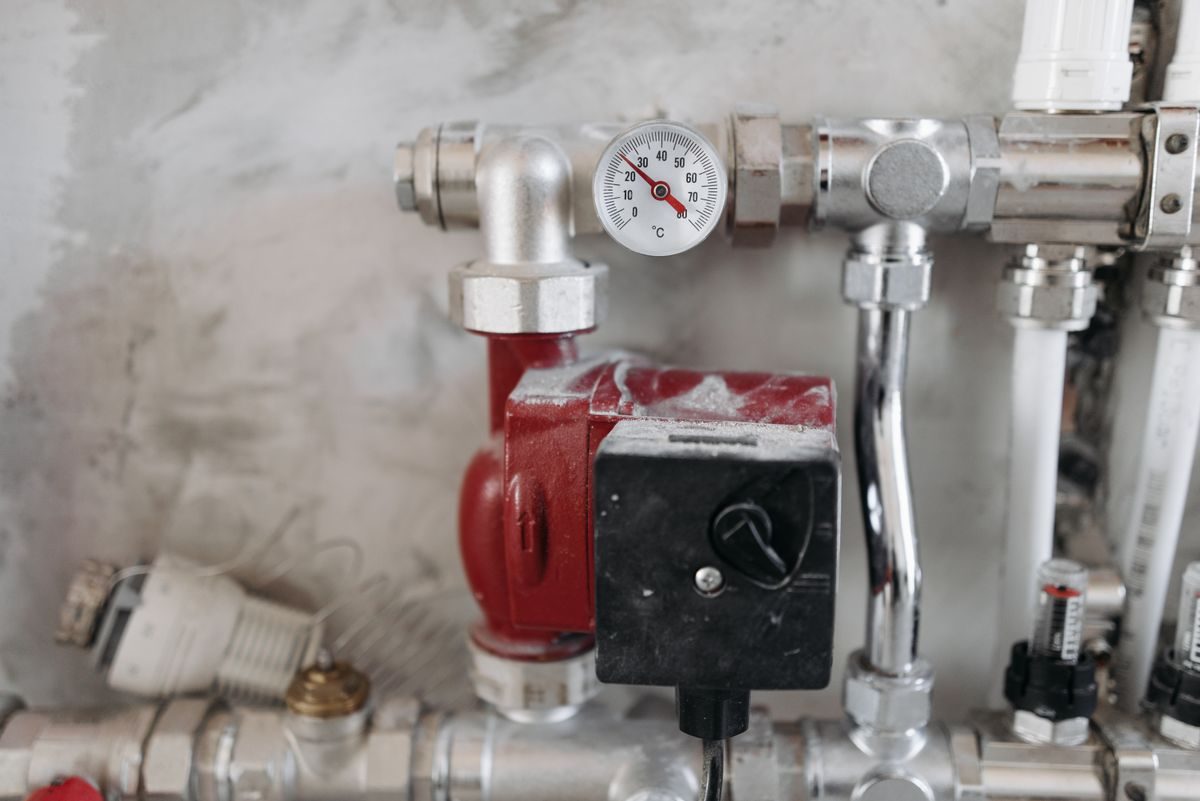
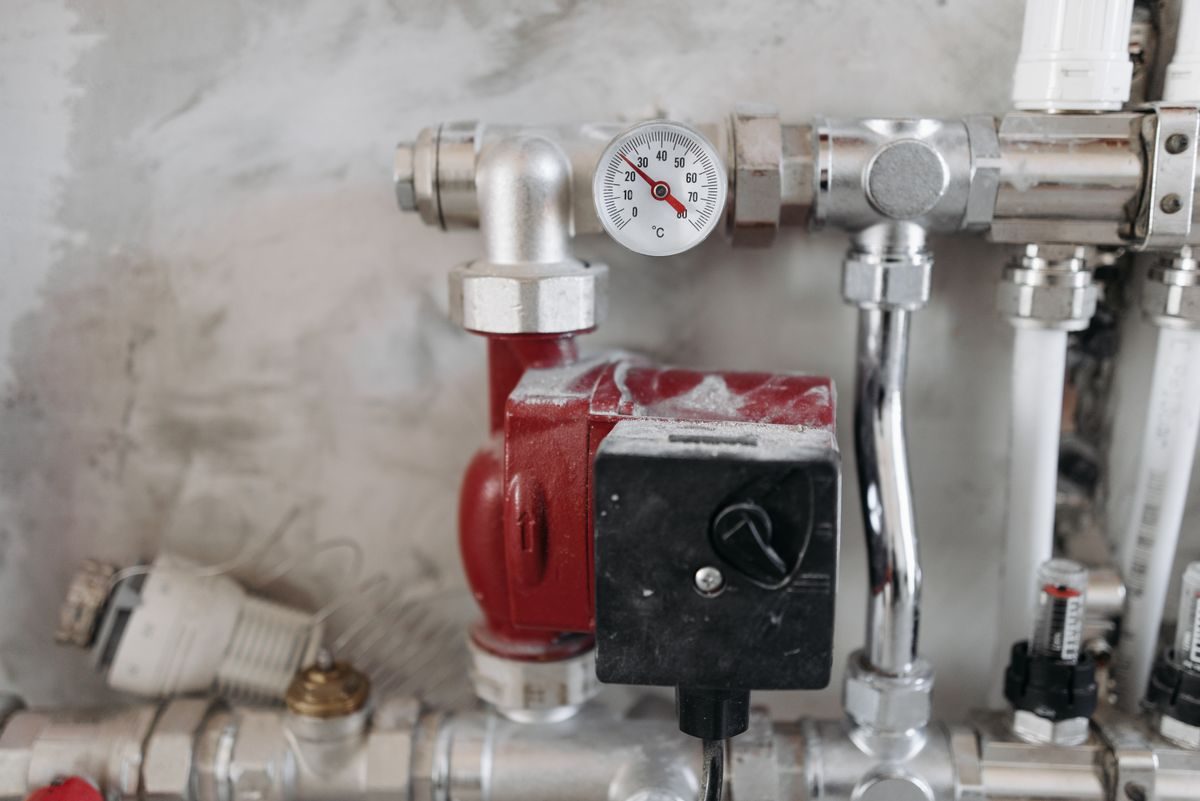
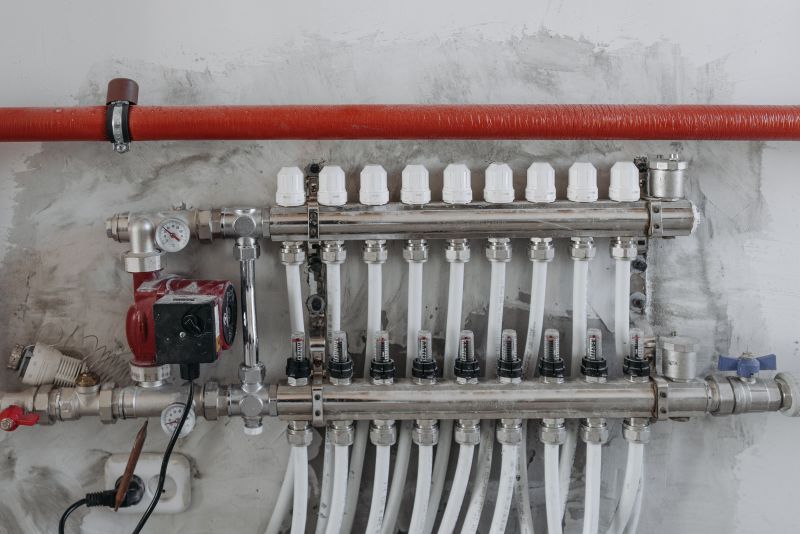
Wet (hydronic) underfloor heating circulates warm water through pipes laid under the floor surface, connected to the existing boiler or a heat pump. It's efficient, heats large areas effectively, and integrates well with heat pump systems because the large surface area of the floor allows it to run at lower flow temperatures. The installation is more involved - pipes need to be set in a screed or within the floor buildup - and it's most cost-effective when installed as part of a larger renovation where floors are being opened up anyway.
Electric underfloor heating uses a heating mat or cable laid under floor tiles. It heats quickly, is relatively inexpensive to install in a single room, and is the standard choice for bathroom underfloor heating in an existing property where opening up the floor for a wet system isn't practical. The running cost is higher than a wet system because electricity costs more than gas (or than the effective cost of a heat pump), making it less suitable as the primary heating source for a whole house.
Where Each System Makes Sense in Exeter
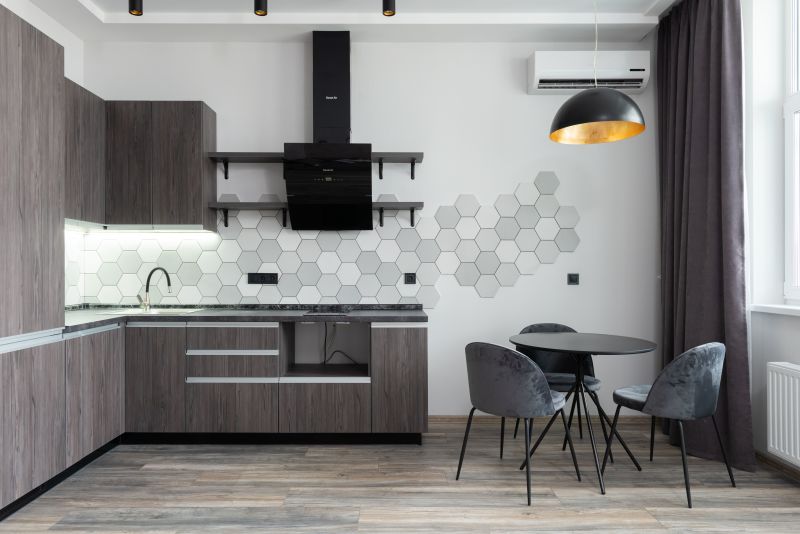
Green Home Boilers & Heat Pumps installs both types across Exeter, and the choice is usually determined by the scope of the project rather than preference. For a single bathroom renovation in an Exeter terrace, an electric mat system is almost always the right answer - it's installed in a day, adds around £300-600 to the bathroom project cost, and provides a genuinely comfortable floor. For a ground floor extension or a house where the floors are being opened up as part of a larger renovation, a wet system connected to the existing boiler (or sized to work efficiently with a future heat pump) is more cost-effective over the long term.
Exeter's housing stock includes a significant number of solid concrete ground floors, particularly in the post-war housing across Heavitree, Whipton, and Alphington. These are actually good candidates for wet underfloor heating installation because the concrete slab can be overlaid with an insulation layer and screed incorporating the pipe system, whereas suspended timber floors require a different and more complex approach.
Heat Pumps and Underfloor Heating
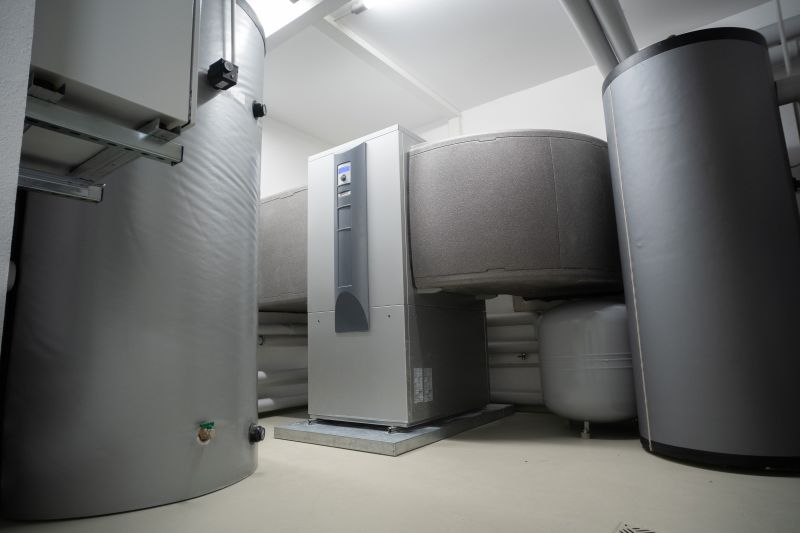
We've covered boiler replacement and heat pump decisions for Exeter homes elsewhere, and the connection to underfloor heating is significant. Heat pumps run most efficiently at low flow temperatures - typically 35-45°C - which is the ideal operating temperature for underfloor heating. A home with underfloor heating throughout, or on the ground floor, is a much better candidate for a heat pump than one relying entirely on radiators sized for a higher flow temperature. If a heat pump is anywhere on the horizon, installing wet underfloor heating during a ground floor renovation is a direct improvement to the future system's efficiency.
Typical Costs in Exeter
Electric underfloor heating (bathroom, single room): £300-700 installed, depending on floor area and tile type.

Wet underfloor heating (ground floor, part of a renovation): £3,000-£7,000 for a typical Exeter semi-detached ground floor, depending on floor area and how much floor opening-up work is needed.
Wet system as part of a full house renovation: Quoted as part of the overall project, as the marginal cost of adding the system when floors are already open is considerably less than retrofitting separately.
FAQ
Q: Is electric underfloor heating expensive to run in Exeter?
More expensive to run than a wet system connected to a boiler or heat pump, because electricity costs more per unit than gas. For a single bathroom, the running cost is modest - around £50-100 per year for typical bathroom use. As a whole-house primary heating source, the running cost would be prohibitive.
Q: Can wet underfloor heating be added to an existing Exeter home without full renovation?
It's possible but complex, particularly in properties with suspended timber floors. Solid concrete floors are more straightforward to retrofit. For a full floor-level wet system without major floor disruption, there are low-profile systems that sit within 15-20mm, but these still require floor level changes.
Q: Does underfloor heating work with a combi boiler in Exeter?
Yes, though a manifold and pump pack need to be added to step down the flow temperature from the boiler. Combi boilers run at higher flow temperatures than underfloor systems are designed for, so a blending valve is used to reduce the temperature. It works, but a system boiler with a cylinder is generally better suited for a property with underfloor heating throughout.
Q: How long does electric underfloor heating take to install in a bathroom?
For a standard bathroom floor area, installation takes half a day to a day. The floor surface is usually a porcelain or ceramic tile, which is laid over the heating mat in the normal way. The thermostat and sensor are fitted at the same time.
You might also like