
Ground Source vs Air Source Heat Pumps in Devon: Which Is Right for Your Property?
Devon homeowners considering a heat pump transition face a choice that doesn't have a universal answer: ground source heat pump (GSHP) or air source heat pump (ASHP)? The two technologies share the same fundamental principle - extracting heat from the environment and delivering it to the building at a higher temperature - but they extract heat from different sources, have different installation requirements, different costs, and different performance characteristics. In Devon's mild climate, with its relatively warm winters and significant land availability in many rural properties, ground source heat pumps can be an option that's rarely considered in more urban parts of the country. Getting the comparison right means understanding both clearly.
How Each Technology Works
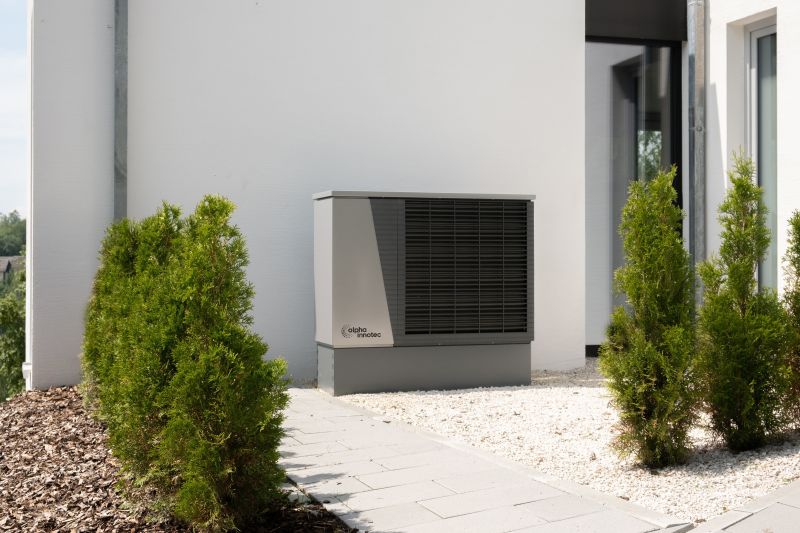
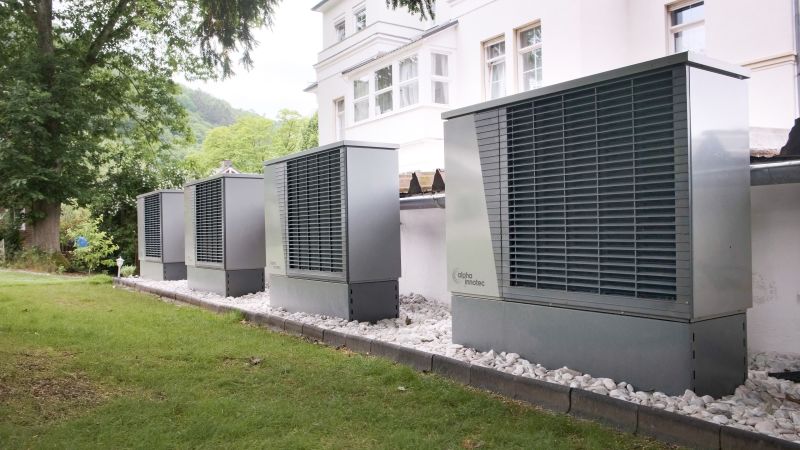
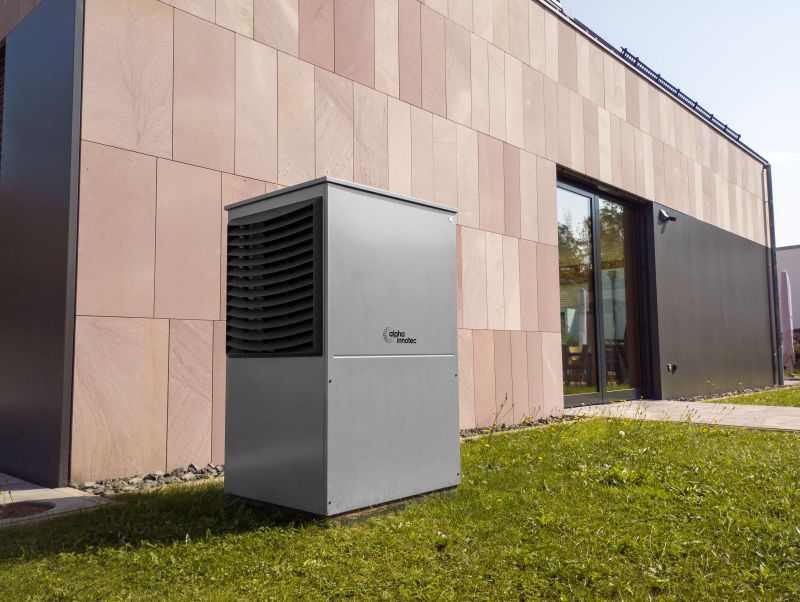
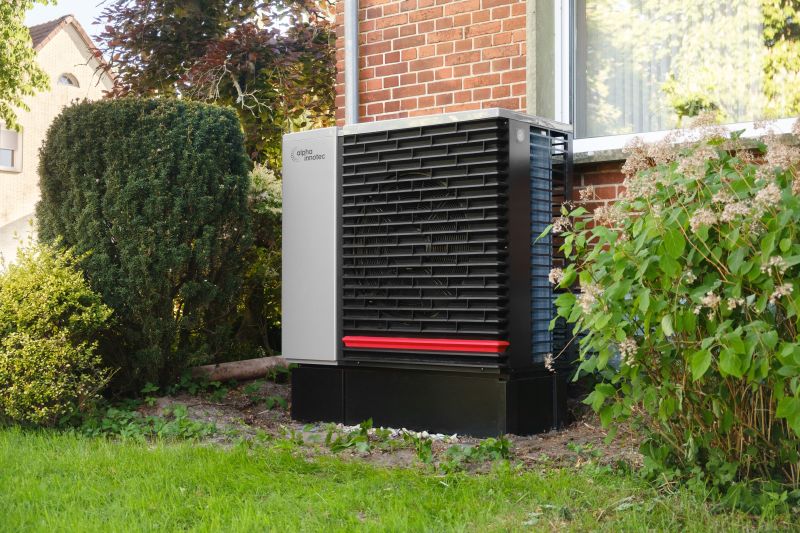
An air source heat pump extracts heat from the outside air, even at temperatures as low as -15°C. The external unit resembles a large box fan and sits outside the building. In Devon's climate, with average winter temperatures rarely below 2-5°C even in inland areas like Dartmoor's fringes, air source heat pumps operate at high efficiency for much of the year.
A ground source heat pump extracts heat from the ground through a loop of pipe buried either horizontally (in trenches, requires significant land area) or vertically (in boreholes, drilled 80-150 metres deep). Ground temperatures in Devon remain stable at around 10-12°C year-round regardless of air temperature, which means ground source heat pumps maintain consistent efficiency through winter without the slight efficiency drop that air source systems experience in cold snaps.
Performance Comparison in Devon's Climate
Green Home Boilers & Heat Pumps installs both air source and ground source heat pumps across Devon, and the performance difference is real but often overstated. In Devon's relatively mild winters, a quality air source heat pump achieves seasonal COPs (coefficient of performance) of 3.0-3.8 - for every kWh of electricity consumed, 3.0-3.8 kWh of heat is delivered. A ground source system in Devon, with its stable ground temperatures, might achieve 3.5-4.5 seasonal COP.
The efficiency difference is meaningful but not transformative for most Devon households. The bigger practical variables are installation cost and site suitability.
What Each Requires in Devon
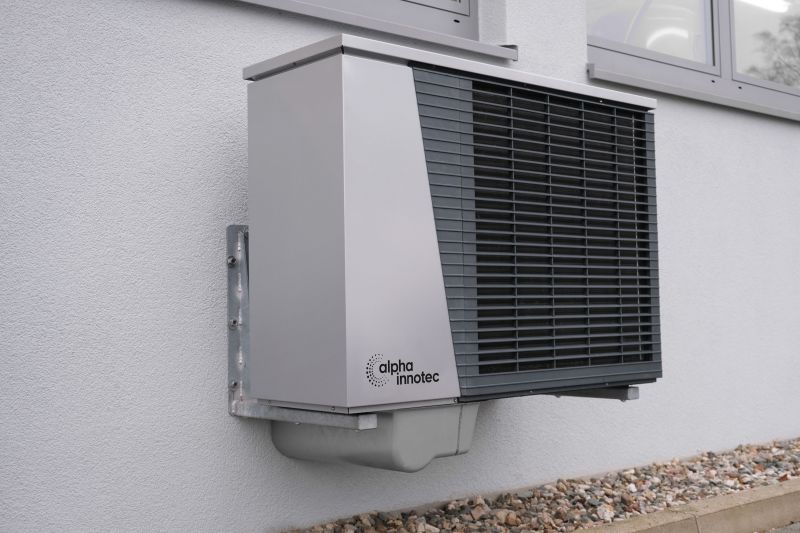
Air source: The external unit needs a suitable outdoor position - typically fixed to an external wall or on a pad on the ground. It requires reasonable clearance and shouldn't be positioned where neighbours would be bothered by the low operating noise. Planning permission is generally not required for domestic installations unless the property is listed or in a conservation area. We've covered heat pump noise levels for Devon properties elsewhere - noise is a manageable consideration, not a deal-breaker for most sites.
Ground source (horizontal loops): Requires approximately 2-3 times the heated floor area in garden space for the pipe loops. A 150m² Devon farmhouse might need 300-450m² of suitable ground for horizontal loops. The ground must be clear of trees (roots can damage the loops) and not subject to compaction. This is viable on larger Devon rural properties but rules out ground source for most town houses.
Ground source (vertical boreholes): Requires no significant garden area - one or two boreholes of 80-150m depth. Works on most properties regardless of garden size. However, borehole drilling requires access for specialist equipment and can be more disruptive.
Cost Comparison
Air source heat pump installation in Devon typically costs £8,000-£14,000, with the Boiler Upgrade Scheme providing £7,500 grant. Net cost: £500-£6,500.
Ground source (horizontal loop) costs £12,000-£20,000 before grant. The Boiler Upgrade Scheme provides £7,500 for ground source too, making net costs £4,500-£12,500.
Ground source (vertical borehole) costs £18,000-£30,000+ before grant, net £10,500-£22,500+.
The efficiency advantage of ground source rarely recovers the additional installation cost within the system's lifetime for most Devon domestic properties, unless there's a specific reason air source doesn't work well on the site.
Which Makes More Sense for Most Devon Properties
For Devon town and village properties without large gardens: air source. Lower cost, simpler installation, eligible for the same grant.
For Devon rural properties with large gardens and a genuine preference for maximum long-term efficiency: horizontal loop ground source may be worth the additional investment, particularly where the property has consistent high heating demand.
For Devon properties where the Boiler Upgrade Scheme grant makes air source nearly cost-neutral: air source is almost always the right choice.
FAQ
Q: Is ground source or air source better in Devon's climate?
Both perform well in Devon. Ground source achieves slightly higher seasonal efficiency due to stable ground temperatures, but the difference doesn't typically justify the significantly higher installation cost for most Devon domestic properties. Air source is the practical choice for most sites.
Q: Does a ground source heat pump require a big garden in Devon?
Horizontal loop ground source requires approximately 2-3 times the heated floor area in clear garden space. Vertical borehole ground source requires no significant garden space but is more expensive. For most Devon town properties, air source is more practical.
Q: What grant is available for heat pumps in Devon?
The Boiler Upgrade Scheme provides £7,500 for both air source and ground source heat pump installations. Eligibility requires MCS certification and a valid EPC. Check current eligibility criteria as the scheme terms can change.
Q: Does a heat pump work in Devon's older properties?
Devon has a significant stock of older stone-built and solid-wall properties which can be harder candidates for heat pumps than modern insulated buildings. The key variables are insulation levels and the existing heating distribution - a heat loss calculation for the specific property gives the clearest picture.
Q: How noisy is an air source heat pump in Devon?
Modern units typically operate at 45-55 dB at 1 metre - similar to a quiet conversation. In Devon's generally lower ambient noise environment (particularly rural areas), this is worth considering in relation to neighbours and outdoor seating areas. Positioning matters.
Q: Can ground source and air source heat pumps be used with existing radiators?
Yes, but the radiators need to be large enough to work efficiently at the lower flow temperatures heat pumps use (typically 35-50°C vs 60-80°C for a boiler). A heat loss calculation confirms whether existing radiators are adequate or need upsizing.
You might also like