
Boiler or Heat Pump in Exeter? How to Decide When Your Old Boiler Fails
There is no worse time to make a long-term heating decision than the morning your boiler dies in January. About one in five UK boilers develops a fault each year, and roughly 60% of those breakdowns land in the coldest three months, so the odds of this happening at the worst moment are stacked against you. In Exeter, where the heating season runs a long October to April, a dead boiler in a draughty solid-wall house gets cold fast. The instinct is to phone for the cheapest like-for-like swap and be done with it. Sometimes that is exactly right. But a new gas boiler costs £2,000 to £3,500 fitted, an air source heat pump £8,000 to £15,000 before the £7,500 government grant, and the gap between them has narrowed enough that a snap decision can cost you thousands over the next 15 years. Here is how to decide calmly, even under pressure.
When Your Boiler Fails, Two Clocks Start Ticking
The first clock is comfort - a cold house, especially with children or older relatives, is not something you can leave for weeks. The second is money, because the choice you make in a panic is the one you live with for a decade or more. The trick is to separate the two so the urgent clock does not force a bad answer on the slow one.
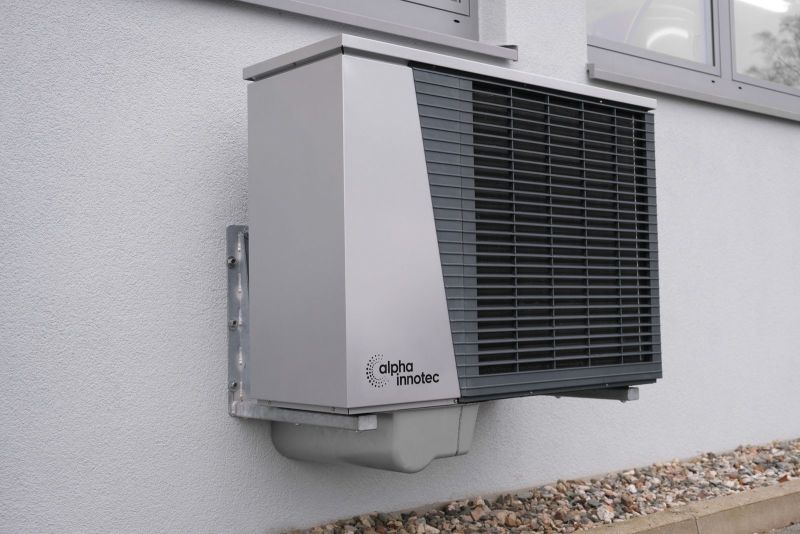
A gas boiler replacement in Exeter is usually a one-day job, sometimes two. An air source heat pump needs a proper heat loss survey, an MCS-certified installer, and typically two to four days on site, so it is rarely a same-week fix in the depths of winter. That timing difference is real, and it is the single biggest reason people default to another boiler even when a heat pump would suit them better.
If you would rather talk it through with someone before committing either way, Green Home Boilers & Heat Pumps covers Exeter and the surrounding Devon villages and can tell you within a phone call whether your home is a straightforward heat pump candidate or whether another boiler is the sensible short-term move.
The Fast Answer and the Right Answer Are Not Always the Same
The fast answer is nearly always "fit another combi". It is cheap up front, quick, and familiar. Around 85% of UK homes still heat with gas, so every plumber in Exeter can do it tomorrow. There is nothing wrong with that if your circumstances genuinely call for it.
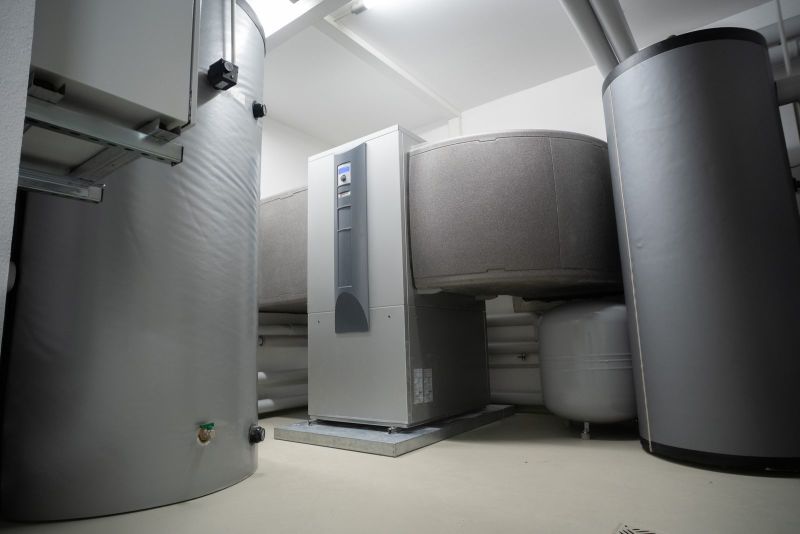
The right answer depends on how long you plan to stay, what you are heating with now, and how old the rest of your system is. A heat pump running at a seasonal efficiency (SCOP) of 3.5 to 4.0 delivers 3.5 to 4 units of heat for every unit of electricity, which over 15 years can outweigh its higher purchase price - particularly for the roughly 15% of Devon homes off the gas grid burning oil at 8 to 10p per kWh of heat.
The mistake is treating the two as interchangeable emergencies. A boiler is a purchase you make in an afternoon. A heat pump is an investment you plan. If your boiler has just failed and you have zero heating today, it is completely reasonable to buy time first and decide second, which we come back to below.
When a Like-for-Like Boiler Still Makes Sense in Exeter
Plenty of Exeter households should just fit another boiler, and there is no shame in it. If you are on mains gas, plan to move within a few years, and your radiators and pipework are all relatively modern, a new A-rated condensing combi at £2,000 to £3,500 is hard to argue with. Modern boilers run at 92% efficiency or higher against 75% to 80% for a 15-year-old unit, which alone saves £150 to £300 a year on a typical Exeter gas bill.
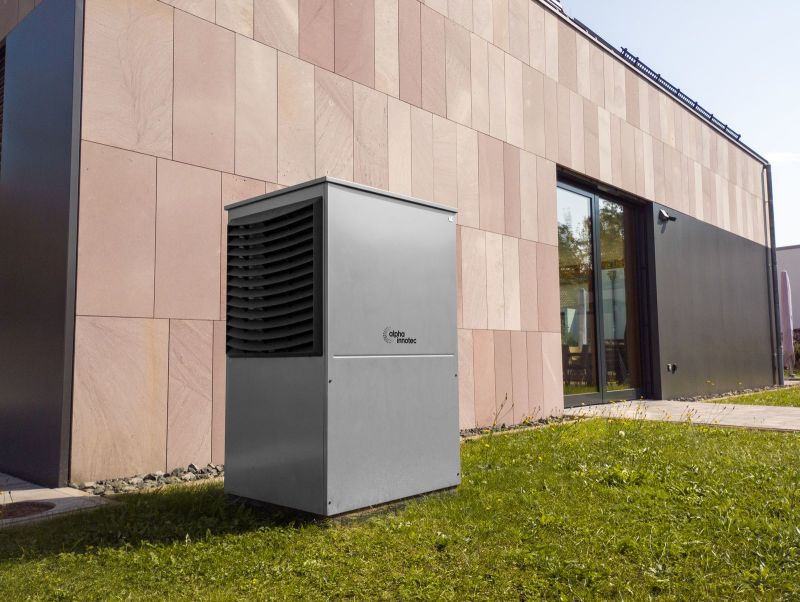
A boiler also wins when your home simply is not ready for a heat pump yet. A poorly insulated Victorian terrace off Magdalen Road with small microbore radiators would need radiator upgrades and possibly loft and wall insulation first. Doing that groundwork properly takes planning you cannot squeeze into a January emergency.
Renters and leaseholders are another clear case - the £7,500 grant goes to the property owner, and heat pump siting often needs freeholder agreement. If any of these describe you, fit the boiler, stay warm, and revisit heat pumps when the next replacement comes due in 10 to 15 years.
When to Switch to a Heat Pump Instead
The strongest case for switching at the point of failure is being off the gas grid. If your dead boiler runs on oil or LPG, you are already paying premium prices and handling deliveries, and a heat pump at SCOP 3.5 delivers heat at roughly 7 to 8p per kWh - often cheaper than the oil you were burning. For these homes the sums frequently beat a new oil boiler outright once the grant is counted.
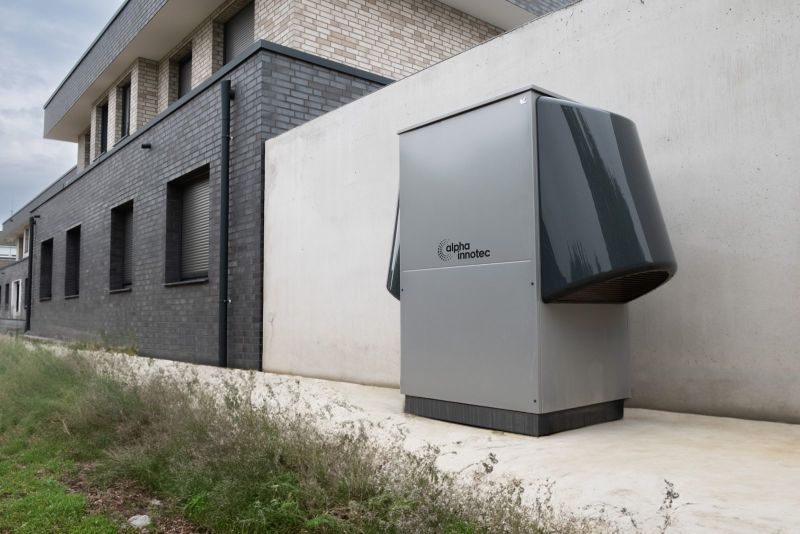
The second strong case is a home that is already reasonably efficient - a post-war or modern estate house in Whipton, Pinhoe or the newer developments around Monkerton, with cavity walls, decent insulation and radiators that already run comfortably at lower temperatures. These properties often need little or no radiator work, which keeps the installed cost near the bottom of the £8,000 to £15,000 range.
The third is simple timing. If you have been meaning to switch and your boiler dies in spring or autumn rather than mid-winter, you have breathing room to do it properly. You can read our fuller comparison of heat pump versus gas boiler running costs in Devon if the year-on-year numbers are what you are weighing up.
What Exeter's Climate and Housing Stock Add to the Decision
Exeter homeowners have a genuine advantage that tips borderline cases towards heat pumps. Air source efficiency falls as outdoor temperatures drop, and it is sustained sub-zero spells that hurt. Exeter's winters are mild for the UK, with average January lows around 3 to 4°C and only a handful of hard frosts a year - typically 2 to 3°C warmer than the Midlands or the North. That mild, damp South West climate keeps a heat pump in its efficient band for far more of the year than an installer in Aberdeen could promise.
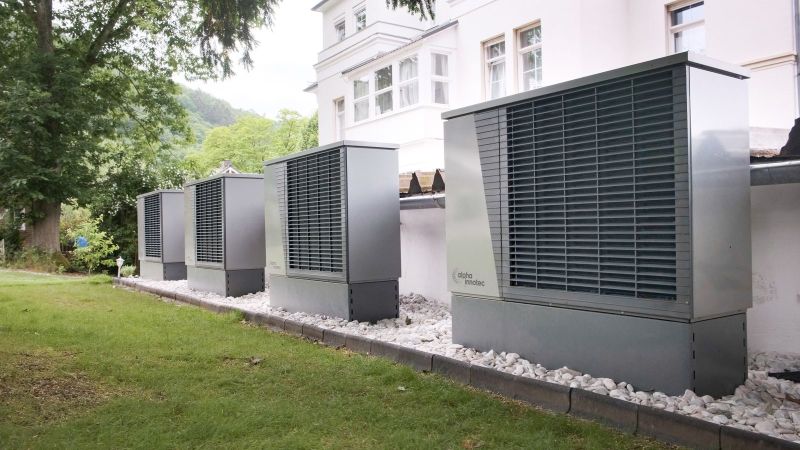
Against that, Exeter's housing is unusually varied for a city of around 130,000 people, and the older end changes the maths. Cob cottages out towards Ide, solid-brick Victorian terraces in Heavitree and St Leonard's, and 1930s semis all lose more heat than a modern build, so they need larger units and often 3 to 6 radiator upgrades at £150 to £300 each.
None of that rules out a heat pump - thick cob walls actually hold heat well thanks to their thermal mass - but it does mean the decision hinges on a proper survey, not a rule of thumb.
The Money: Comparing Both Paths in 2026
Line the two up honestly. A new gas boiler in Exeter is £2,000 to £3,500 fitted, all in, this week. A heat pump is £8,000 to £15,000, but the government's Boiler Upgrade Scheme grant takes £7,500 straight off, applied by your MCS installer as a line-item discount, leaving most Exeter homeowners paying £500 to £7,500 out of pocket. For a mid-range £11,000 job, that is £3,500 - within touching distance of a top-end boiler.
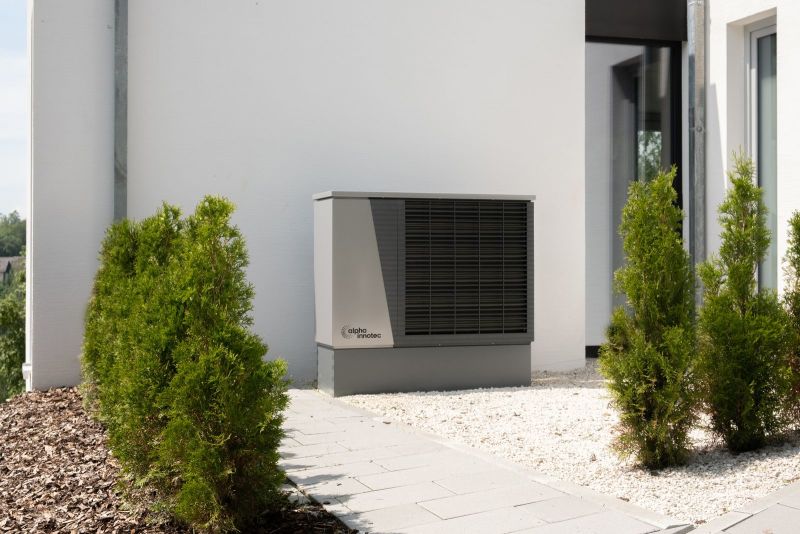
Then look at running costs. On gas at around 6p per kWh, a modern boiler is cheap to run but you are exposed to gas price swings. A heat pump at SCOP 3.5 to 4.0 uses roughly 2,600 to 2,900 kWh of electricity to heat a typical three-bed, landing around £700 to £850 a year on a standard tariff and noticeably less on a dedicated heat pump tariff. The Energy Saving Trust's air source heat pump guidance is a good independent place to sanity-check any installer's figures.
The grant is generous by any historical standard, and while its budget has been extended, government schemes do not last forever - which is a fair reason not to dismiss the heat pump route just because your boiler picked a bad week to die.
How to Bridge the Gap Without Rushing the Choice
Here is the practical bit almost no one tells you. You do not have to choose in a single freezing afternoon. If your boiler is beyond economic repair but you are drawn to a heat pump, ask an engineer whether a temporary fix or a modest repair can keep you going for a few weeks - a £150 to £400 repair that buys a fortnight is money well spent if it stops you signing up for the wrong 15-year decision.

Failing that, plug-in electric heaters cost £20 to £40 each and will hold a couple of rooms at 2 to 4kW while you get a heat loss survey booked. It is not elegant and the electricity is not cheap, but a week of that is far cheaper than the difference between the right system and the wrong one.
Use the pause to check installer certification on the MCS certified installer search, get a room-by-room heat loss survey, and get the £7,500 shown as a deduction on a written quote. Devon has a healthy and growing supply of certified installers, though the best book up 4 to 8 weeks ahead in autumn.
Making the Call: A Simple Decision Rule
If you take one rule from all this, take this. If you are on oil or LPG, or your boiler dies outside the deep-winter months and your home is reasonably efficient, get heat pump quotes before you replace like for like - the grant plus running-cost savings usually justify the wait. If you are on mains gas, moving soon, or facing a hard January freeze with a house that needs insulation work first, fit a modern condensing boiler now and plan the heat pump for its next replacement.
Either way, avoid the one genuine mistake: spending £2,000 to £3,500 on a new gas boiler the same month you could have had a heat pump for £3,500 after the grant, simply because no one gave you 48 hours to think. A short, warm bridge beats a rushed decision every time.
---
FAQ
Q: My boiler has just died in Exeter - do I have to decide on a heat pump today?
A: No. A heat pump needs a heat loss survey and an MCS installer, so it is rarely a same-week job in winter. If your boiler is beyond repair, a £150 to £400 temporary fix or a couple of £20 to £40 plug-in heaters can keep you warm for a week or two while you get proper heat pump quotes. That short bridge is far cheaper than committing to the wrong system under pressure.
Q: Is a heat pump or a new gas boiler cheaper in Exeter?
A: Up front, a gas boiler wins - £2,000 to £3,500 fitted versus £8,000 to £15,000 for a heat pump. But the £7,500 Boiler Upgrade Scheme grant brings a typical heat pump down to £500 to £7,500 out of pocket, often around £3,500 for a mid-range job. Over 15 years, running costs and fuel type usually decide it, and off-gas oil homes frequently come out ahead with a heat pump.
Q: When does it make more sense to just fit another gas boiler?
A: If you are on mains gas, plan to move within a few years, your radiators and pipework are modern, or your boiler fails during a hard freeze when you cannot wait for a survey, a new A-rated condensing boiler is the sensible call. Modern boilers run at 92% efficiency or more, saving £150 to £300 a year versus a 15-year-old unit.
Q: Do Exeter's mild winters really make heat pumps work better?
A: Yes. Air source efficiency drops in sustained sub-zero cold, which Exeter rarely sees - January lows average 3 to 4°C, typically 2 to 3°C milder than the Midlands or North. That keeps a well-installed heat pump around a SCOP of 3.5 to 4.0 for more of the year, so the mild South West climate genuinely helps the case.
---
You might also like