
Heat Pumps in Older Devon Homes: Do Cob and Solid Wall Properties Work?
Devon is estimated to have more than 20,000 cob buildings, more than any other county in England, and roughly a third of the county's housing stock was built before 1919. That is a lot of thick earth walls, solid stone and single-skin brick. The standard advice you will read online says heat pumps need a well insulated modern house, which leaves a lot of Devon homeowners assuming the answer is no. It is not that simple. A 600mm cob wall has a U-value of around 0.5 to 0.9 W/m²K, which is considerably better than the 2.1 W/m²K of a solid nine inch brick wall, and Devon's mild coastal climate means design temperatures here sit around -1°C to -2°C rather than the -4°C used further north. Both facts work in an older home's favour. Here is what actually determines whether it works.
What Makes Devon's Older Housing Different
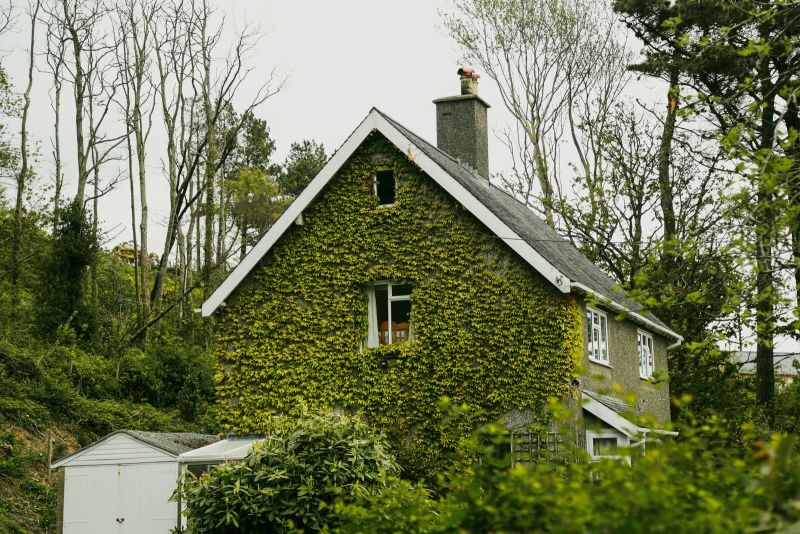
Devon's pre-1919 stock is not one thing. Cob, rubble stone, granite, cob-and-thatch, Victorian brick terraces in Exeter and Plymouth, and estate cottages in the villages all behave differently thermally. Lumping them together as "old and draughty" is where most bad advice starts.
The number that matters is heat loss, measured in watts. A 1930s semi might lose 6 to 8 kW at design temperature, a well insulated new build 3 to 4 kW, and a large uninsulated stone farmhouse anywhere from 12 to 20 kW. Heat pumps are perfectly capable of delivering 16 kW or more, so the technical question is rarely "can it heat the house". It is whether the running cost at that output is acceptable, and whether the emitters can move that heat into the rooms at a lower water temperature.
If you want an honest assessment rather than a sales pitch, Green Home Boilers & Heat Pumps works across Exeter, Exmouth, Cullompton and the surrounding villages and will tell you plainly if your property is a poor candidate.
Cob Walls Are Better Than Their Reputation
Cob is subsoil, straw and water, built in thick lifts, typically 500mm to 700mm thick and sometimes over a metre at the base. That thickness does two useful things. It gives a U-value in the region of 0.5 to 0.9 W/m²K, which is roughly two to four times better than solid brick, and it gives enormous thermal mass.

Thermal mass and heat pumps are a genuinely good match. Heat pumps prefer to run continuously at a low output rather than blasting on and off, and a heavy cob wall soaks up heat slowly then releases it slowly, smoothing out temperature swings. A cob cottage run at a steady 20°C with weather compensation will often feel more comfortable than the same house heated in two sharp bursts by an oil boiler.
The catch is windows, doors, floors and roof. In most older Devon homes, more heat is lost through a poorly insulated loft and single glazing than through the walls. Loft insulation topped up to 270mm cuts roof heat loss by up to around 25% of a typical home's total, at £400 to £800 for a standard property, and it is the single best thing to do before a heat pump goes in.
Why Cob Needs Breathable Insulation
This is the part that gets homes into trouble. Cob must be able to dry out. Sealing it with cement render, plastic paints or rigid foam board traps moisture in the wall, and the result is damp, rot in embedded timbers and in bad cases structural failure.
If you insulate cob internally, it needs to be with breathable materials: wood fibre board, lime plaster, sheep's wool or hemp-lime. Around 60mm to 80mm of wood fibre can bring a cob wall down towards 0.3 W/m²K while still letting the wall breathe. Expect £70 to £120 per square metre installed, which is why many owners insulate one or two of the coldest rooms rather than the whole house.
Solid Stone and Brick: The Harder Cases
Solid stone walls in Devon typically come in around 1.4 to 2.0 W/m²K, and solid nine inch brick around 2.1 W/m²K. Against a modern cavity wall at 0.18 to 0.28 W/m²K, that is a big gap, and these are the properties where a heat pump needs proper thought rather than an assumption.
It is not a no. It does mean the sums change. A stone house losing 14 kW at design temperature will need a larger unit, more emitter surface and probably some fabric work to keep running costs sensible. Internal wall insulation on stone is generally £90 to £150 per square metre, and secondary glazing at £250 to £600 per window is often a better bet than replacement in an older property, both for cost and for appearance.
Draught proofing is the cheapest win of all. Sealing gaps around floorboards, skirtings, letterboxes and chimneys typically costs £200 to £500 for a whole house and can cut heat demand by 10% to 15%. On a big old house that is often worth more in real terms than an expensive wall upgrade.
Heat Loss Calculations Matter More Here
In a modern estate house, an installer can size a system fairly quickly. In a 200 year old Devon property, guesswork is expensive in both directions: undersize and the house never gets warm in February, oversize and the unit short cycles, wearing itself out and running at poor efficiency.
Any MCS certified installer must carry out a room by room heat loss calculation to MCS and BS EN 12831 standards before quoting. Insist on seeing it. It should list every room, its heat loss in watts, the existing radiator output at the proposed flow temperature and whether that radiator is adequate. A calculation based on floor area alone is not good enough for a solid wall property.
Watch for installers who apply blanket assumptions to old buildings. Standard software often defaults to worst case U-values for pre-1919 walls, which can turn a 500mm cob wall into a phantom heat loss and push you into a much bigger, more expensive unit than you need.
Flow Temperatures, SCOP and What to Expect
Efficiency is expressed as SCOP, the seasonal ratio of heat produced to electricity used. The single biggest influence on it is flow temperature. A well matched system running at 35°C flow will often achieve a SCOP of 4.0 to 4.5, meaning 4 units of heat per unit of electricity. Push the flow to 50°C and that drops to roughly 3.0 to 3.4. At 55°C you are down around 2.8 to 3.1.
Older Devon homes usually sit in the middle of that range. A realistic expectation for a well specified system in a solid wall property with upgraded emitters is a SCOP of 3.0 to 3.6, which is still comfortably better than oil or LPG on both carbon and, in most cases, running cost. Devon's mild winters help: mean winter temperatures here run a couple of degrees above the Midlands, and a heat pump spends far more hours at 7°C to 10°C outside than at 0°C.
The Radiator Question
Lower flow temperature means each radiator delivers less heat, so some will need to grow. Typically 30% to 60% of radiators in an older home need upgrading, usually to double or triple panel versions in the same footprint rather than anything dramatic. We have covered this in detail in our guide to whether you need new radiators for a heat pump in Devon, which includes typical costs per room.
For thick stone or cob houses with solid floors, underfloor heating is worth considering during any renovation, since it runs happily at 30°C to 40°C and is the natural partner for a heat pump.
Listed Buildings and Conservation Areas
Devon has a high concentration of listed buildings and conservation areas, and this is where projects most often stall. A heat pump in a listed building needs listed building consent, and in a conservation area the permitted development rights that normally cover heat pumps are restricted, particularly where the unit would be visible from a road.
In practice, consent is granted far more often than people expect when the unit is sited sensitively: to the rear, screened by planting or a timber louvre enclosure, and away from principal elevations. Application timescales are usually 8 weeks for a decision, and listed building consent applications carry no planning fee, although you may pay for drawings.
Fabric changes attract more scrutiny than the heat pump itself. Internal insulation, floor build-ups and window changes in a listed property all need consent and need to be breathable. Getting a conservation officer involved early, before you have paid for a design, saves a lot of wasted effort.
Off-Gas Villages: Where Older Homes Win Outright
Devon has one of the highest proportions of off-gas homes in England. In parts of rural Mid and West Devon more than 40% of properties have no mains gas connection, against a UK average nearer 15%. Those homes are heated by oil, LPG or electric storage heaters, all of which are expensive.
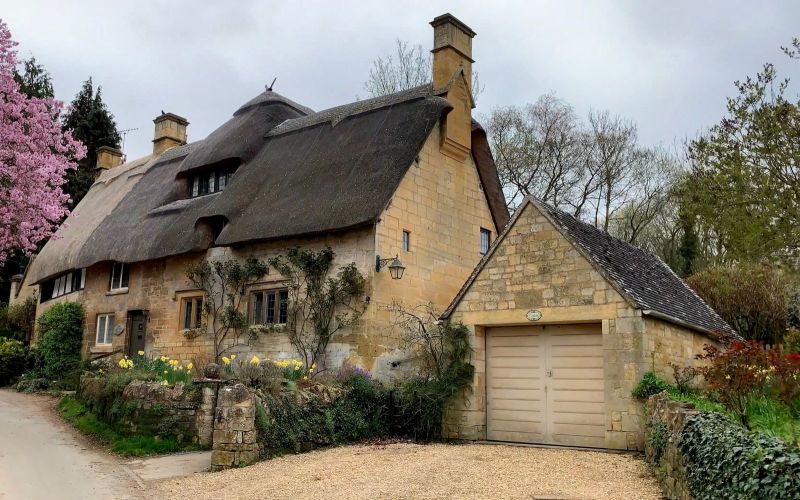
This is where the case for an older property switching becomes strong. Heating oil prices have swung between roughly 55p and 95p per litre in recent years, and LPG is consistently one of the priciest fuels available. A heat pump running at a SCOP of 3.2 typically undercuts LPG comfortably and lands close to or below oil, while removing the tank, the deliveries and the price volatility.
Older rural properties also tend to have the one thing town houses lack: space. Siting a unit with good airflow, sensible pipe runs and no boundary noise issue is far easier on a half acre plot than in a terrace.
Costs, Grants and Finding the Right Installer
An air source heat pump in Devon typically costs £8,000 to £14,000 installed before grant, with larger solid wall properties needing bigger units and more emitter work at the upper end. Ground source runs £20,000 to £35,000 and only really makes sense where there is land and a long term view.
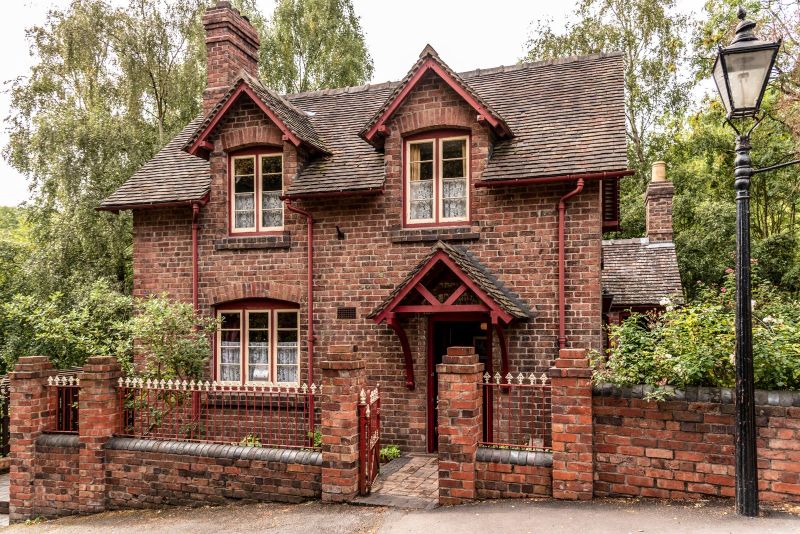
The government's Boiler Upgrade Scheme pays £7,500 towards an air source or ground source heat pump in England and Wales, applied for by the installer and deducted from your quote. There is no requirement to have wall insulation, though loft and cavity insulation recommendations on your EPC may need addressing depending on the scheme rules at the time, so check current conditions before committing.
The grant is only available through an MCS certified installer, and you can confirm any company's certification using the MCS find an installer directory. For general impartial advice on how heat pumps behave in different property types, the Energy Saving Trust's guidance on home heating systems is a useful starting point that is not trying to sell you anything.
Get two or three quotes, compare the heat loss calculations rather than just the headline prices, and be sceptical of anyone who tells you an old house cannot work without ever measuring it.
---
FAQ
Q: Can a heat pump work in a Devon cob cottage?
A: Usually yes. Cob walls are typically 500mm to 700mm thick with a U-value around 0.5 to 0.9 W/m²K, which is two to four times better than solid brick, and their thermal mass suits the steady low output a heat pump likes. The bigger losses in a cob cottage are normally the roof, windows and floor. Top up loft insulation to 270mm and draught proof first, and any internal wall insulation must be breathable, such as wood fibre and lime, never cement render or rigid foam.
Q: Do I need to insulate a solid wall house before installing a heat pump?
A: Not always, but it changes the running cost. Solid stone comes in at roughly 1.4 to 2.0 W/m²K and nine inch brick around 2.1, against 0.18 to 0.28 for a modern cavity wall. A heat pump will still heat the house, but the unit will be larger and running costs higher. The cheapest improvements first are loft insulation at £400 to £800 and draught proofing at £200 to £500, which together can cut demand by 20% or more.
Q: What SCOP should I expect in an older Devon property?
A: Realistically 3.0 to 3.6 for a well specified system with upgraded emitters, compared with 4.0 to 4.5 for a modern insulated home running at 35°C flow. Flow temperature is the main driver: 35°C gives around 4.0 to 4.5, 50°C around 3.0 to 3.4. Devon's mild winters help, since a heat pump here spends far more hours at 7°C to 10°C outside than at 0°C.
Q: Do I need planning permission for a heat pump on a listed Devon property?
A: A listed building requires listed building consent, and in a conservation area the usual permitted development rights are restricted, especially if the unit would be visible from the road. Consent is often granted where the unit is sited to the rear and screened. Decisions typically take around 8 weeks, and listed building consent itself carries no planning fee. Speak to the conservation officer before paying for a full design.
Q: Is a heat pump cheaper to run than oil in a rural Devon home?
A: In most cases it is close or better. Heating oil has ranged between roughly 55p and 95p per litre in recent years, and a heat pump at a SCOP of 3.2 comfortably undercuts LPG and lands near or below oil, with the added benefit of the £7,500 Boiler Upgrade Scheme grant. With more than 40% of homes off mains gas in parts of rural Mid and West Devon, this is where the case is strongest.
---
You might also like