
Do You Need New Radiators for a Heat Pump in Devon? Costs and What to Know
One of the most common worries Devon homeowners have about heat pumps is the radiators. The story you often hear is that a heat pump means ripping out and replacing every radiator in the house - an expensive, disruptive job on top of an already big change. The reality is more nuanced. Some radiators need upgrading, many don't, and a good survey tells you exactly which. An air source heat pump costs roughly £8,000 to £15,000 before the £7,500 Boiler Upgrade Scheme grant, and radiator changes typically add £150 to £400 per replaced radiator - but most homes only need a handful swapped, not the lot. Heat pumps run at lower flow temperatures than gas boilers, around 35 to 45°C versus 65 to 75°C, and that single fact explains everything about why radiators sometimes need to be bigger. This guide breaks down what's really involved for a Devon property, and where the costs land.
Why Heat Pumps and Radiators Are Different
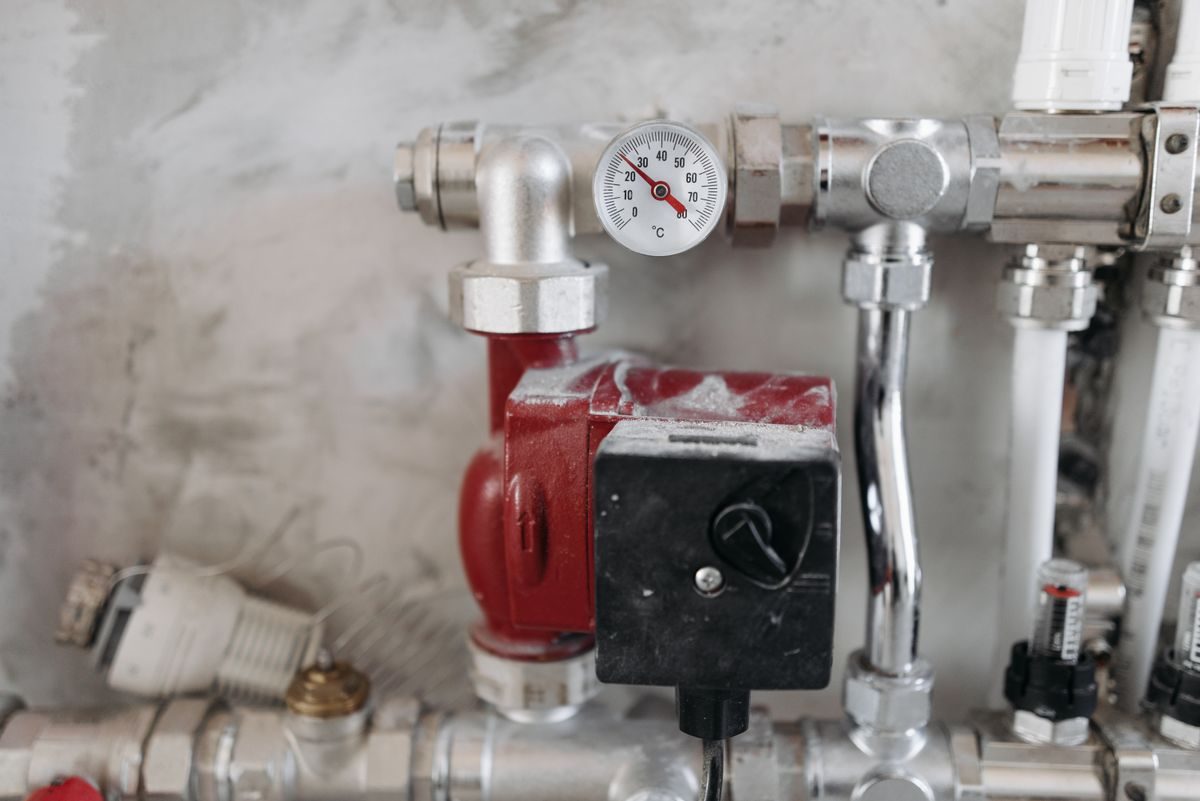
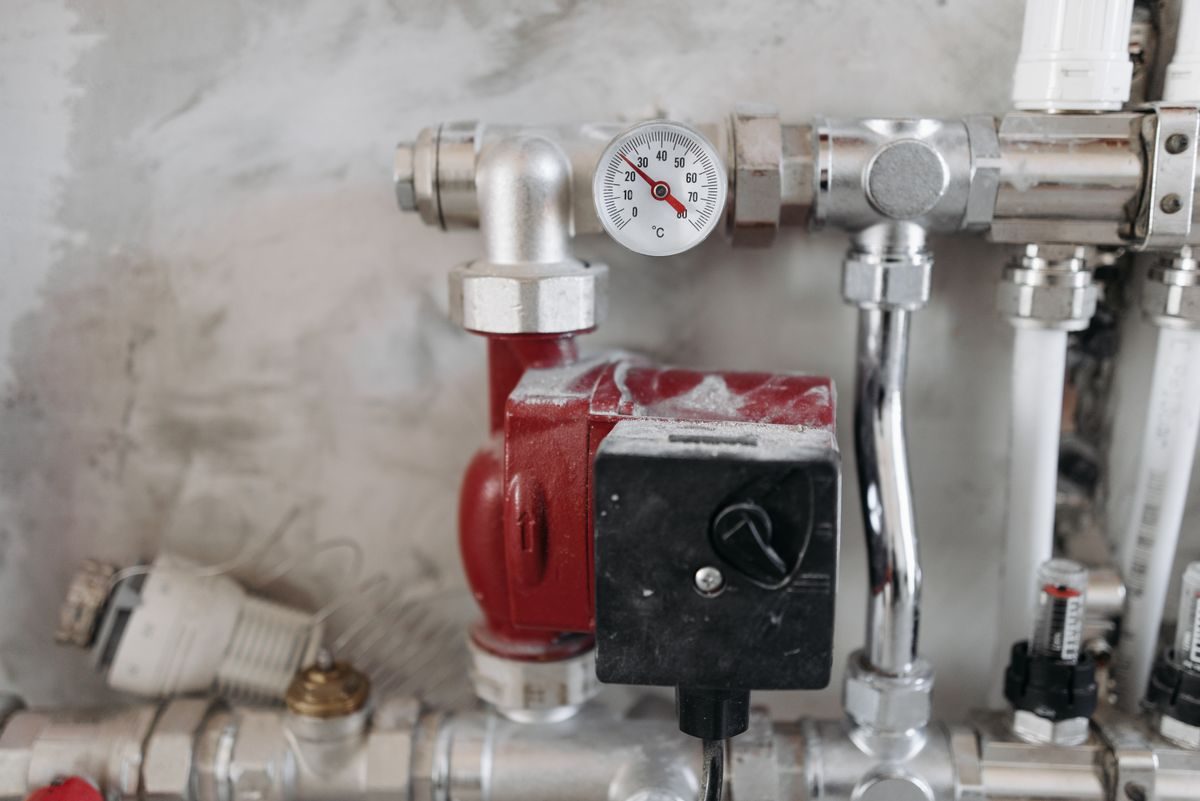
A gas boiler pushes hot water around your radiators at roughly 70°C. A heat pump is far more efficient, but it does its best work at a much lower flow temperature - usually 35 to 45°C. Cooler water means each radiator gives off less heat, so to warm the room to the same temperature, the radiator has to be bigger or have more surface area.
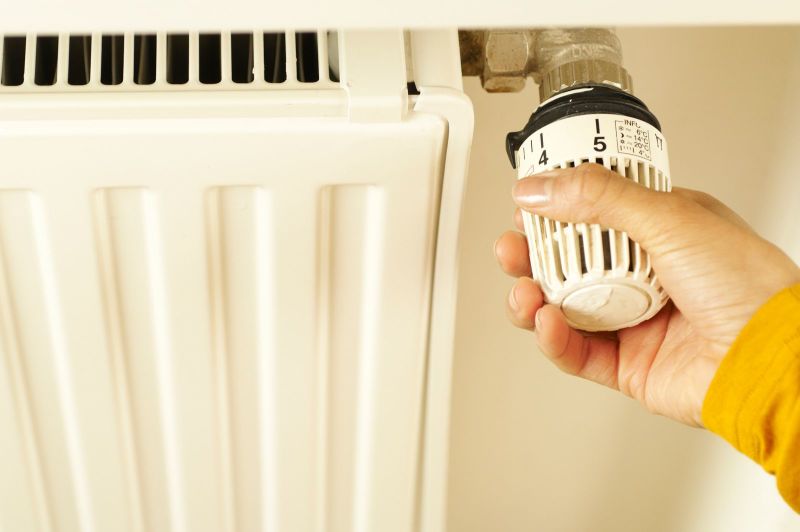
That's the whole issue in one sentence. It's not that your existing radiators won't work at all - it's that some may be too small to deliver enough heat at the lower temperature a heat pump runs at.
If you're weighing up a switch, Green Home Boilers & Heat Pumps carries out a room-by-room heat loss survey before quoting, so you get a clear picture of which radiators stay and which need attention rather than a vague worst-case estimate.
Not Every Radiator Needs Replacing
Here's the part that surprises people. In a typical Devon home, often only around 20 to 40% of radiators actually need upgrading. Many modern radiators - especially double or triple-panel convector types fitted in the last 15 years - are already large enough to work fine at heat pump flow temperatures.
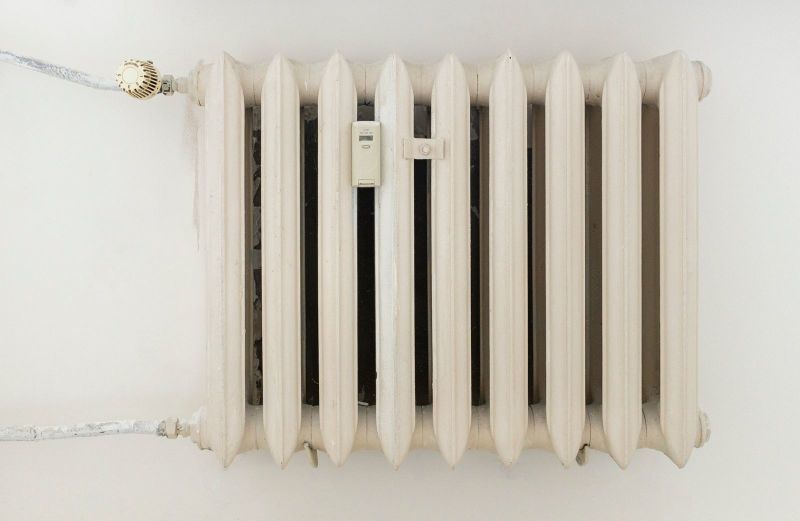
The radiators most likely to need swapping are the small single-panel ones, often found in hallways, bathrooms, and box rooms. These were sized for a hot boiler and simply don't have the surface area to deliver enough heat when the water is cooler.
How a Survey Decides
A proper heat loss survey calculates how much heat each room loses in cold weather, then checks whether each radiator can supply that heat at the heat pump's flow temperature. Rooms that fall short get a bigger radiator; rooms that already have enough capacity keep what they've got. It's a measured, room-by-room decision, not a blanket rule - which is why guessing before a survey usually overestimates the work.
What It Costs in Devon
Replacing a radiator with a larger equivalent typically costs £150 to £400 per unit including the radiator and labour, depending on size and how much pipework needs adjusting. For a three-bedroom Devon home where, say, four radiators need upgrading, that's often in the region of £600 to £1,600 - a modest slice of the overall project, not a doubling of it.
The full air source heat pump installation runs around £8,000 to £15,000 before grants. The Boiler Upgrade Scheme knocks £7,500 off that for eligible homes, bringing the net cost down considerably. Radiator upgrades are usually included in the installer's overall quote, so you see one figure rather than a stream of surprise add-ons.
It's worth getting the radiator work priced as part of the main install rather than separately - doing it alongside the heat pump fitting avoids paying twice for someone to drain and refill the system.
Devon's Older Housing Stock and Insulation
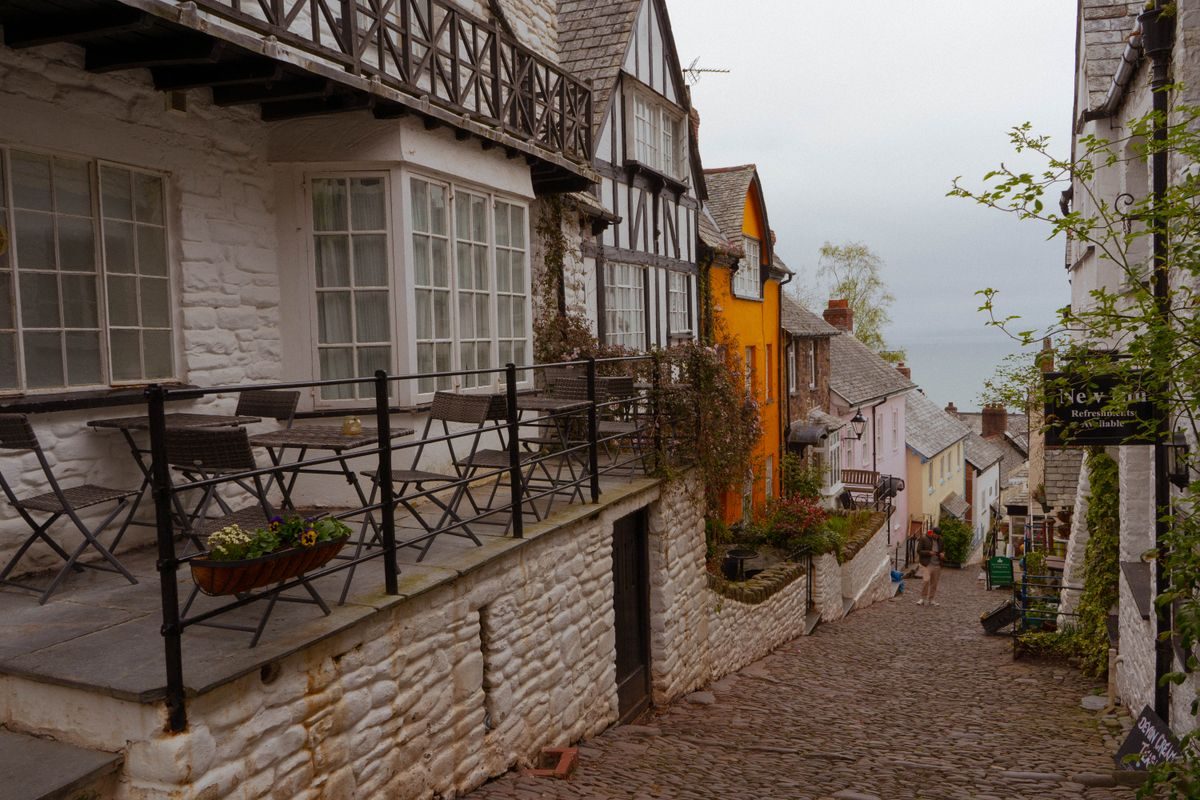
This is where Devon-specific detail really matters. The county has a lot of older, solid-wall properties - cob cottages, stone-built farmhouses, and Victorian terraces in towns like Exeter, Tiverton, and Totnes. These homes lose more heat than a modern insulated house, which affects radiator sizing directly.
A poorly insulated solid-wall cottage loses heat fast, so its radiators need to be larger to keep pace at a heat pump's lower flow temperature. That can mean more radiators need upgrading than in a well-insulated 1990s semi. The flip side is that improving insulation first - loft insulation, draught-proofing, and where suitable internal or external wall insulation - reduces heat loss and can cut how many radiators need changing at all.
For many older Devon homes, spending a little on insulation before the heat pump goes in is the smart order of works. It lowers the radiator bill, shrinks the heat pump you need, and makes the whole system run more efficiently once it's live.
The Underfloor Heating Option
Radiators aren't the only way to distribute heat from a heat pump. Underfloor heating is a natural match, because it spreads warmth across a large surface area and works beautifully at the low flow temperatures a heat pump prefers - often as low as 35°C.
Retrofitting underfloor heating throughout an existing Devon home is disruptive and rarely worth it purely for a heat pump swap. But if you're already renovating, extending, or relaying floors - common in Devon's older properties being brought up to date - adding underfloor heating in those areas pairs perfectly with a heat pump and reduces the radiator work needed elsewhere.
A mixed system is completely normal: underfloor heating downstairs where you're reworking the floor anyway, upgraded radiators upstairs. A heat pump handles both without issue, and it's often the most practical route for a period home.
Will the House Still Feel Warm?
This is the real worry underneath the radiator question, and it's a fair one. The honest answer is yes, when the system is sized properly. Correctly specified radiators at the right flow temperature keep a Devon home just as warm as a gas boiler did - the warmth is steadier and more constant rather than the quick blast-and-cool cycle of a boiler.
Devon's mild climate helps here too. With relatively few hard-frost days compared to the Midlands and North, a heat pump in Devon spends less time working at its hardest, which keeps efficiency high and comfort consistent through most of the winter. Around 250,000 heat pumps were installed across the UK in a recent year, and correctly sized systems in mild regions like the South West are among the best performers.
The key is a thorough survey and honest sizing, not oversized radiators everywhere out of caution. Get the survey right and the house feels warm, the running costs stay low, and the radiator upgrades are a manageable part of the job rather than the scary headline they're often made out to be.
---
FAQ
Q: Do I need to replace all my radiators for a heat pump in Devon?
A: No, rarely. In a typical Devon home only around 20 to 40% of radiators usually need upgrading, mostly small single-panel ones in hallways and box rooms. Larger modern double-panel radiators often work fine at heat pump flow temperatures. A heat loss survey confirms exactly which need changing.
Q: How much do radiator upgrades cost when fitting a heat pump?
A: Replacing a radiator with a larger one typically costs £150 to £400 each including labour. For a three-bed home needing around four upgraded, that's roughly £600 to £1,600 - a small part of the overall £8,000 to £15,000 heat pump install, which the £7,500 Boiler Upgrade Scheme grant reduces significantly.
Q: Why do heat pumps sometimes need bigger radiators?
A: Heat pumps run at a lower flow temperature than gas boilers, around 35 to 45°C versus 65 to 75°C. Cooler water gives off less heat per radiator, so some radiators need more surface area to warm the room to the same temperature. Well-insulated Devon homes need fewer changes.
---
You might also like