
Combi vs System Boiler in Exeter: Which Is Right for Your Home?
If you're replacing a boiler in Exeter, the first real decision isn't the brand - it's the type. Combi and system boilers work in very different ways, and the wrong choice can leave you with weak showers or a cylinder taking up a bedroom you didn't want to lose. A new boiler in Exeter typically costs between £2,000 and £3,500 fitted, and around 1.5 million boilers are replaced across the UK every year, so plenty of homeowners face this exact question. Roughly 85% of UK homes still run on gas central heating, and combis make up more than half of new installs. But the popular choice isn't automatically the right one for your house. Property age, the number of bathrooms, water pressure, and how many people are showering at 7am all push the decision one way or the other. This guide walks through it in plain terms.
The Basic Difference Between the Two
A combi (combination) boiler heats water on demand. There's no storage cylinder and no cold water tank in the loft - the boiler takes water straight from the mains and heats it the moment you turn a tap. That makes it compact, and it's why combis suit smaller Exeter homes and flats where space is tight.
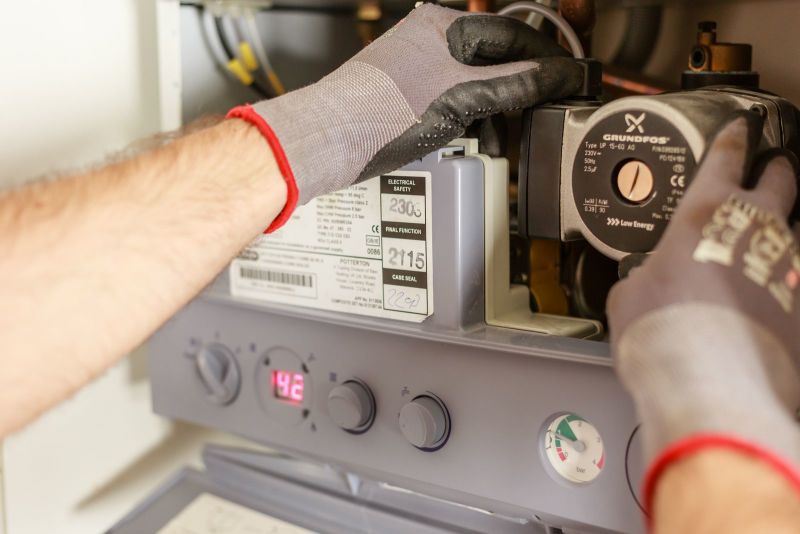
A system boiler works with a separate hot water cylinder, usually kept in an airing cupboard. It heats a tank of water and stores it ready to use. That stored volume is the key advantage - you can run two or three showers at once without the flow dropping, which a combi struggles to do.
If you're not sure which route suits your property, the team at Green Home Boilers & Heat Pumps can assess your home and mains pressure before you commit to anything. It's a short visit that saves a lot of second-guessing.
How Many Bathrooms and People Do You Have?
This is the question that settles it for most Exeter households. A combi boiler delivers hot water at a rate of roughly 10 to 16 litres per minute depending on the model. That's fine for one bathroom. Run a shower and a kitchen tap at the same time, though, and you'll notice the pressure drop.
A system boiler doesn't have that problem because the hot water is already stored and ready. For a family of four or five with two bathrooms, a system setup keeps everyone happy during the morning rush.
A Rough Rule of Thumb for Exeter Homes
For a one or two-bedroom flat or terraced house with a single bathroom, a combi almost always makes sense - lower cost, less space used, and no cylinder to heat. For a three or four-bedroom home with two or more bathrooms and several people, a system boiler usually wins. As a general guide, once you're regularly running more than one hot tap at a time, the stored hot water of a system boiler earns its keep.
Space and Where It All Goes
Exeter's housing stock is a real mix, and that matters here. The city has plenty of Victorian and Edwardian terraces around St James and Newtown, post-war semis in the suburbs, and newer estates on the edges toward Cranbrook. Older homes often had the boiler, cold tank, and cylinder all taking up space - a system or combi swap is a chance to reclaim some of it.
A combi frees up the airing cupboard and clears the loft tank entirely, which is popular in smaller period properties where every cupboard counts. A system boiler still needs a cylinder, but modern unvented cylinders are neater than the old tanks and can sit in a utility space or loft.
If you're converting a loft or reworking a bathroom - common in Exeter's terraces where extending outward isn't always an option - factor the cylinder location into the plan early. Retrofitting one later is more disruptive than allowing for it up front.
Water Pressure and Exeter's Supply
Combi boilers depend entirely on mains pressure and flow rate, so it's worth knowing what you're working with. South West Water supplies most of Exeter, and pressure across the city is generally good, but it does vary by area and by height - homes on the higher ground around Pennsylvania or St Leonard's can see different flow than those lower toward the Exe.
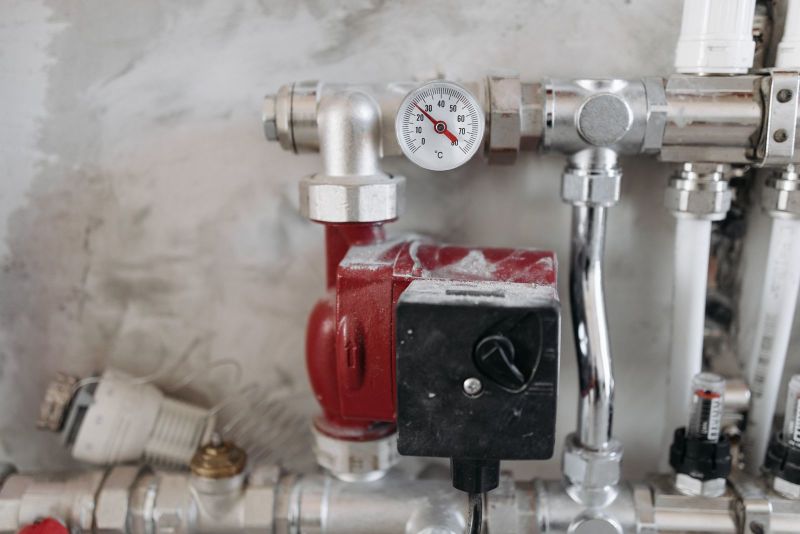
A combi needs a decent flow rate, ideally 12 litres per minute or more, to give a strong shower. If your mains flow is weak, a combi will underwhelm no matter how good the boiler is. A system boiler with a stored cylinder is far less sensitive to mains flow, because the pressure at the tap comes from the cylinder setup rather than directly from the mains.
Before choosing a combi, a good installer will measure your actual flow rate at the kitchen tap. It's a two-minute test that tells you whether a combi will genuinely perform in your home or leave you disappointed.
Running Costs and Efficiency
Both boiler types are condensing units by law now, and a modern A-rated boiler runs at around 92% efficiency or higher - a big jump from the 70% or so you'd get from a 15-year-old model. Replacing an old G-rated boiler can cut heating bills by roughly £300 to £580 a year according to the Energy Saving Trust's guidance on new boilers, which is worth keeping in view whichever type you pick.
Combis have a slight edge on hot water efficiency for smaller homes because they don't reheat a stored tank - you only heat what you use. For a household that uses hot water in short bursts, that avoids the standing heat loss a cylinder can have.
System boilers can be more efficient for high-demand homes, because heating a full cylinder once and drawing from it repeatedly beats a combi firing up again and again for back-to-back showers. Modern cylinders are well insulated, so standing losses are much lower than they used to be. The most efficient choice really does depend on how your household actually uses hot water.
What About a Heat Pump Instead?
It's worth pausing here, because a like-for-like boiler swap isn't the only option in 2026. If your boiler is on its way out anyway, an air source heat pump can replace it entirely, and the government's Boiler Upgrade Scheme offers a £7,500 grant toward the cost. You can read the eligibility rules on the official Boiler Upgrade Scheme page on gov.uk.
Devon's mild climate genuinely helps here - our relatively few hard-frost days mean a heat pump runs efficiently for more of the year than it would further north. A heat pump works like a system boiler in that it pairs with a hot water cylinder, so if you're leaning toward a system setup anyway, the jump to a heat pump is smaller than you might think.
We've explained how heat pumps hold up in the colder months in our guide to air source heat pump performance in Devon winters, which is worth a read if you're weighing a boiler against a longer-term switch.
Making the Final Call
For most one-bathroom Exeter homes, a combi is the simpler, cheaper, space-saving choice, with fitted costs usually landing around £2,000 to £3,000. For busier households with two-plus bathrooms and several people, a system boiler and cylinder - typically £2,500 to £3,500 fitted - avoids the morning flow problems a combi can't.

The honest answer is that the best choice is the one that matches how your household lives, not the one that's most popular nationally. A quick home assessment covering your bathrooms, mains flow, and available space will point clearly to one or the other. Get that right and you won't think about your boiler again for a decade.
---
FAQ
Q: Is a combi or system boiler better for a two-bathroom home in Exeter?
A: A system boiler is usually better for two or more bathrooms. It stores hot water in a cylinder, so you can run several showers at once without the flow dropping. A combi heats on demand and can struggle when two hot taps run together, which shows up during the morning rush.
Q: How much does a new boiler cost to fit in Exeter?
A: Expect roughly £2,000 to £3,000 for a combi and £2,500 to £3,500 for a system boiler including installation, depending on the model and how much pipework needs changing. Replacing an old inefficient boiler can also cut annual heating bills by around £300 to £580.
Q: Does Exeter's water pressure affect which boiler I should choose?
A: Yes. Combi boilers rely directly on mains flow, so a weak supply gives weak showers. Exeter's pressure is generally good but varies by area and height. A quick flow-rate test at the tap tells you whether a combi will perform, while a system boiler is far less sensitive to mains flow.
---
You might also like