
Common Boiler Problems in Exeter Homes: Causes, Fixes, and Repair Costs
Roughly one in five UK boilers develops a fault in any given year, and about 60% of those breakdowns land in the coldest three months. In Exeter that pattern is sharpened by two local quirks: a long, wet winter that keeps external pipework damp for weeks at a time, and a housing mix where cob cottages, Victorian terraces and 1930s semis sit alongside modern estates. Older homes push boilers harder, so they fail sooner. The good news is that the same handful of faults account for most callouts, and several cost nothing to fix. A diagnostic visit in Exeter usually starts at £80 to £120, while the repairs themselves range from around £150 for a sensor to £600 or more for a circuit board. Here is what actually goes wrong, why, and what you should expect to pay.
The Faults Exeter Engineers Get Called Out To Most
Ask any local heating engineer and the same list comes up. Low water pressure, ignition lockout, frozen condensate pipes, noisy pipework, a failed diverter valve and cold radiators between them make up something like 80% of winter callouts. None of them are exotic. Most are the predictable result of a system that has been running for years without much attention.
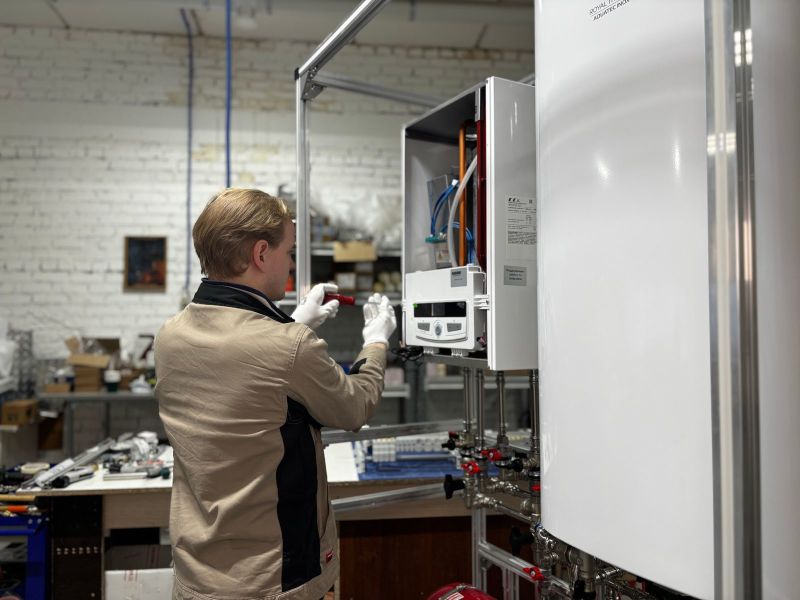
Age is the biggest single predictor. A boiler under 8 years old will typically go three or four winters without a fault, while one past 12 years is several times more likely to fail in any given season. Exeter's older stock matters here because a boiler heating a draughty solid wall house runs for longer cycles at higher output than the same unit in an insulated new build, and that extra running time shows up as wear on pumps, fans and valves.
If you would rather have someone look at it than work through a list, Green Home Boilers & Heat Pumps covers Exeter and the surrounding villages and can tell you quickly whether a fault is worth repairing or whether you are throwing money at a boiler that is close to the end.
No Hot Water or Heating: Pressure, Valves and Airlocks
The most common call of all is simply "nothing is happening". Nine times out of ten the first thing to check is the pressure gauge. A sealed system should sit between 1.0 and 1.5 bar when cold, rising to about 2.0 bar when hot. Drop below roughly 0.8 bar and most modern boilers lock out on purpose to protect themselves. Topping up via the filling loop takes two minutes and costs nothing.
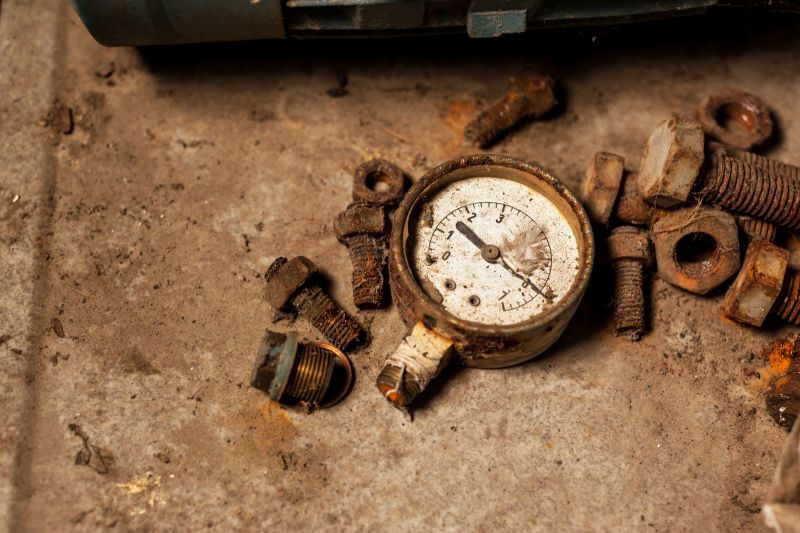
If pressure keeps falling week after week, you have a leak somewhere or a failed expansion vessel. A vessel recharge is usually £80 to £150, a replacement £150 to £250.
The other classic is hot water working but heating not, or the reverse. On a combi that almost always points at the diverter valve, the component that decides whether hot water goes to the taps or the radiators. Diverter valves are one of the most replaced parts in the country and typically cost £180 to £350 fitted in Exeter, depending on the make.
Frozen Condensate Pipes: Devon's Classic Winter Fault
Every modern condensing boiler produces slightly acidic water that drains away through a plastic condensate pipe. If that pipe runs outside and the temperature drops below freezing overnight, it blocks with ice and the boiler shuts down, often with a gurgling noise first.
Exeter rarely sees prolonged deep cold, but it does get sharp overnight frosts several times a winter, and the local habit of running condensate pipes down an external wall means this fault appears in clusters after the first cold night. Thawing it with warm (not boiling) water over the frozen section usually restores everything within minutes. Lagging the pipe with foam sleeving costs under £15 and prevents the problem entirely, which is far better value than a £90 callout.
Boiler Fault Codes Explained
Almost every boiler made since about 2005 shows a fault code on its display, and knowing what it means saves you both worry and money. The exact codes vary by brand, but the common ones are consistent.
On Vaillant boilers, F.22 means low water pressure and F.28 means ignition failure. Ideal boilers show F1 for low pressure. Worcester Bosch typically shows EA for a flame loss or ignition lockout, and Baxi uses E119 for low pressure. Roughly half of all displayed codes are pressure or ignition related, and pressure faults are the ones you can often clear yourself.
Ignition faults are a different matter. A boiler that fires and then locks out repeatedly may have a faulty ignition electrode (£120 to £200), a failed gas valve (£300 to £500) or a blocked flue. Resetting a boiler more than two or three times in a row is a bad idea, as you are asking it to keep attempting ignition on a system that has already decided something is wrong.
What Not to Do When a Code Appears
Do not remove the boiler casing, and do not let anyone who is not on the register work on it. Every gas engineer in the country has a card you can check in seconds using the Gas Safe Register's engineer check tool, and it is worth 30 seconds of your time before you let anyone touch a gas appliance. Around 1 in 4 illegal gas jobs inspected are found to be unsafe, which is not a risk worth taking to save a few pounds.
Leaks, Drips and Pressure That Will Not Hold
Water where it should not be is always worth acting on quickly. A small drip from a pipe joint under the boiler might be a £90 fix, while water leaking from inside the case usually points to a failed seal, a corroded heat exchanger or a pressure relief valve that has let go.
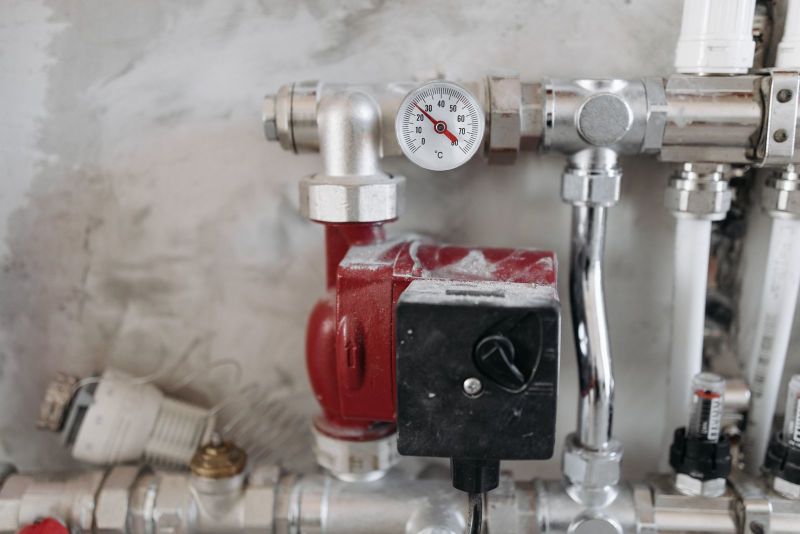
Pressure relief valve replacements typically run £150 to £250. A corroded main heat exchanger is the expensive one at £500 to £700 fitted, and on a boiler over 10 years old that figure is usually the point at which replacement starts to make more sense than repair.
Exeter's water supply is moderately hard, which speeds up scale build-up inside heat exchangers, particularly on combi boilers that heat water on demand. Scale acts as an insulating layer, cutting efficiency by around 5% to 10% and making the exchanger run hotter than it should.
Banging, Kettling and Gurgling Noises
A boiler that sounds like a kettle coming to the boil is almost always suffering from scale or sludge restricting flow through the heat exchanger. The water in the restricted area overheats and flashes to steam, which makes the banging sound. Left alone it shortens the boiler's life considerably.
Gurgling usually means trapped air or a partially blocked condensate pipe. Humming or vibration through the pipework often points at the pump, which is a £200 to £350 replacement.
When the Problem Is the System, Not the Boiler
Black sludge (magnetite) builds up in radiators and pipework over the years and is the underlying cause of a large share of pump, valve and noise faults. A chemical flush costs £150 to £250 and a full power flush £350 to £700 depending on the number of radiators. We have gone into this in detail in our guide to power flushing in Exeter and when your heating actually needs it, which is worth reading before you agree to one, because plenty of systems do not need it.
Fitting a magnetic filter afterwards costs around £120 to £200 and catches the debris before it reaches the boiler. On an older Exeter system it is one of the better value upgrades available.
Radiators Cold at the Top or the Bottom
Where the cold patch sits tells you what is wrong. Cold at the top and warm at the bottom means trapped air, and bleeding the radiator takes a few minutes with a key that costs about £2. Expect to bleed radiators once a year, usually at the start of the heating season.
Cold at the bottom and warm at the top is the opposite problem: sludge has settled and is blocking flow through the lower section. Bleeding will not help. That radiator needs flushing or replacing.
If some radiators heat and others do not, the system probably needs balancing, which means adjusting the lockshield valves so flow is shared evenly. An engineer will usually do this as part of a service, and a properly balanced system can cut heating fuel use by 5% to 10%. The Energy Saving Trust's guidance on home heating systems is a good non-commercial reference on getting more out of what you already have.
What Boiler Repairs Actually Cost in Exeter
Pulling the figures together, here is what Exeter households typically pay in 2026. A diagnostic callout is £80 to £120, often waived or deducted if you go ahead with the repair. A thermocouple, thermistor or pressure sensor is £150 to £250. An expansion vessel is £150 to £250, a pump £200 to £350, a diverter valve £180 to £350 and a fan £250 to £400. A printed circuit board is £400 to £600, and a main heat exchanger £500 to £700.
Exeter is well supplied with Gas Safe engineers compared with rural Mid and West Devon, so waiting times here are usually days rather than weeks, and prices are competitive. Homes out in the villages towards Dartmoor often pay a callout premium of £20 to £40 for travel.
An annual service at £70 to £120 remains the cheapest insurance available. It roughly halves the odds of a winter breakdown and keeps most manufacturer warranties valid, which on a newer boiler can be worth several hundred pounds on its own.
When Repair Stops Making Sense
A rough rule used across the trade: if the repair costs more than a third of a replacement, and the boiler is over 10 years old, replacing is usually the better call. With a new gas boiler in Exeter running £2,000 to £3,500 fitted, that puts the tipping point somewhere around £700 to £1,100 of repair on an ageing unit.

Efficiency matters too. A 15 year old boiler may be running at 75% to 80% efficiency against 92% or more for a modern condensing unit, which on a typical Exeter gas bill is £150 to £300 a year in wasted fuel. Two or three years of that difference pays for a good chunk of the replacement.
It is also worth knowing what else is on the table before you commit to another gas boiler. Grants of £7,500 towards a heat pump are available through the government's Boiler Upgrade Scheme, and for homes in Devon's off-gas villages running on oil or LPG the sums often work out better than they first look.
---
FAQ
Q: What is the most common boiler fault in Exeter homes?
A: Low water pressure is the single most common, followed by ignition lockout and frozen condensate pipes. Pressure should sit between 1.0 and 1.5 bar when cold, and most boilers lock out below roughly 0.8 bar. Topping up through the filling loop is free and takes a couple of minutes. If the pressure keeps dropping, you have a leak or a failed expansion vessel, which is a £150 to £250 repair.
Q: How much does a boiler repair cost in Exeter?
A: A diagnostic callout is typically £80 to £120. Common repairs run £150 to £250 for a sensor or expansion vessel, £200 to £350 for a pump, £180 to £350 for a diverter valve, £250 to £400 for a fan, £400 to £600 for a circuit board and £500 to £700 for a heat exchanger. Homes in outlying Devon villages may pay £20 to £40 more in travel.
Q: Why does my boiler keep losing pressure?
A: Either there is a leak somewhere in the system, or the expansion vessel has lost its charge. Check radiator valves, visible pipe joints and under the boiler for damp patches first. If nothing is obvious, an engineer will test the vessel. A recharge is £80 to £150 and a replacement £150 to £250. Bleeding radiators also drops pressure slightly, so top up afterwards.
Q: Can I fix a frozen condensate pipe myself?
A: Yes, in most cases. Find the plastic pipe running from the boiler to an outside drain, pour warm (not boiling) water over the frozen section, then reset the boiler. It usually restarts within minutes. Lagging the pipe with foam sleeving costs under £15 and stops it happening again, which is far cheaper than a callout after every Devon frost.
Q: When should I replace my boiler instead of repairing it?
A: If the repair costs more than about a third of a new boiler and the unit is over 10 years old, replacement usually wins. With new gas boilers in Exeter at £2,000 to £3,500 fitted, that means repairs above roughly £700 to £1,100 on an older unit are hard to justify, especially as a 15 year old boiler may waste £150 to £300 a year in fuel compared with a modern one.
---
You might also like