
Heat Pump Servicing in Devon: What It Costs and Why It Matters
Heat pumps have a reputation for being low-maintenance, and mostly that's fair - but "low" doesn't mean "none". An annual heat pump service in Devon typically costs between £150 and £300, and skipping it can quietly cost you far more in lost efficiency and shortened lifespan. Around 40,000 heat pumps are now installed across the UK each year, and Devon's growing number of off-gas rural homes and holiday lets means the county has more of them than most. A well-serviced air source heat pump should last 15 to 20 years and hold its efficiency; a neglected one can lose 10% or more of its output and fail years early. This guide explains exactly what a service includes, what it should cost here, and why Devon's damp air, hard water, and rural properties make regular maintenance more important than the sales brochure suggests.
What Heat Pump Servicing Costs in Devon
An annual service for a domestic air source heat pump in Devon generally runs £150 to £300, depending on the system size, its age, and how accessible the outdoor unit is. Ground source systems, which are less common but do appear on larger rural Devon plots, sit at the higher end and occasionally beyond because there's more to check. Compare that to a gas boiler service at £70 to £120 and heat pumps look pricier - but they're also a bigger, longer-lived asset, often worth £8,000 to £14,000 installed.
Some installers offer service plans that spread the cost, typically £15 to £25 a month, sometimes bundling in a filter clean and priority callouts. For a single well-sited unit, paying per service is usually cheaper. For an older system or a hard-to-reach install, a plan can make sense.
If you're not sure what your specific system needs or when it was last looked at, Green Home Boilers & Heat Pumps services heat pumps across Devon and can tell you exactly what your model requires rather than guessing.
What Actually Happens During a Service
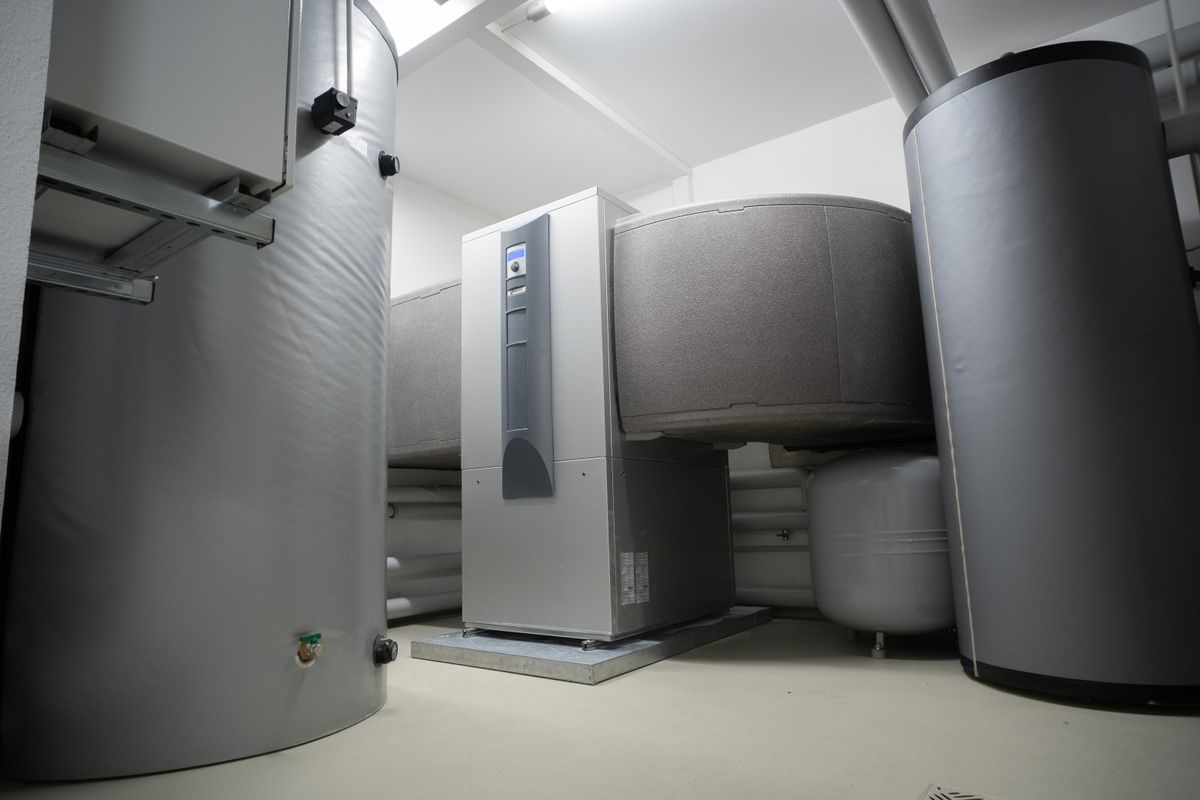
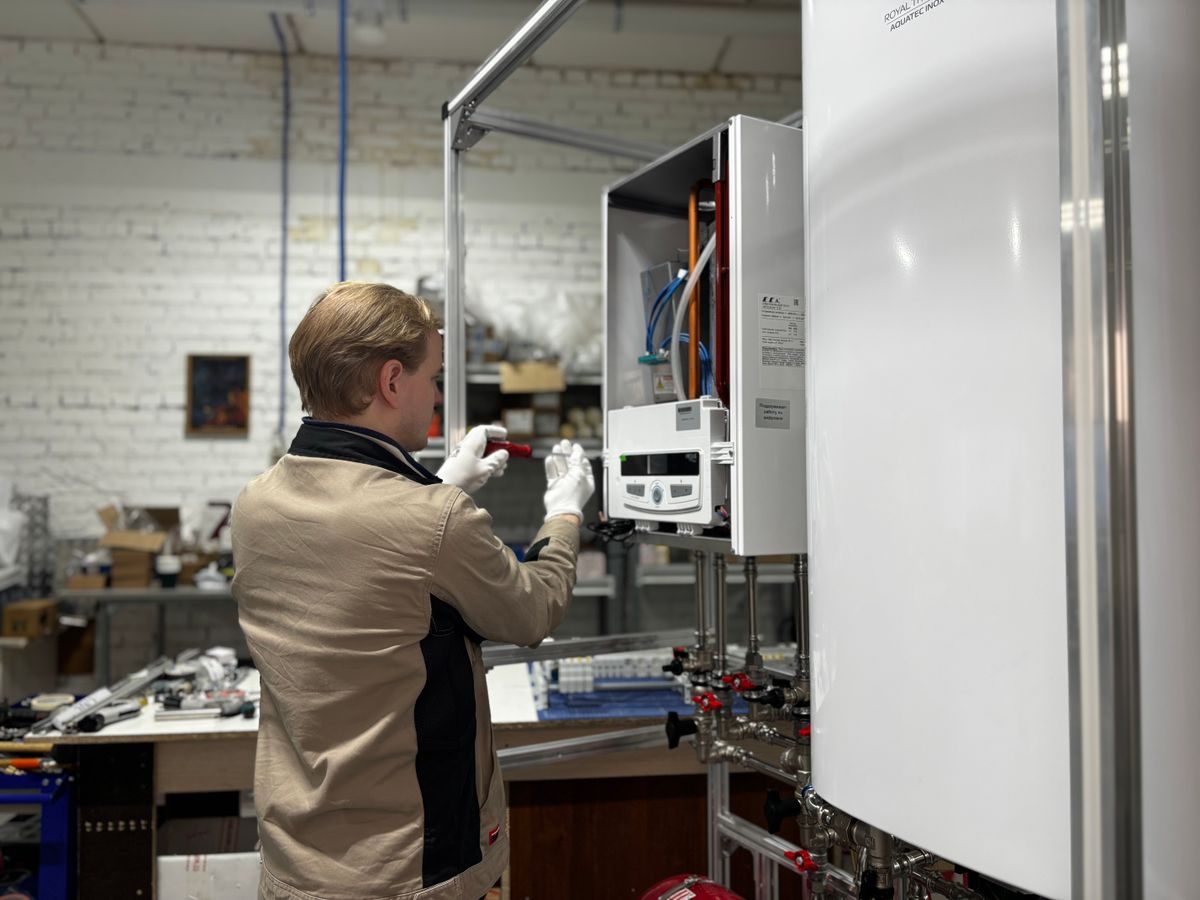
A proper heat pump service is more than a quick look. The engineer checks and cleans the outdoor unit's coil and fan, inspects the refrigerant circuit for leaks and correct pressure, tests the electrical connections and controls, checks the flow and return temperatures, cleans or replaces filters, and inspects the condensate drainage. On a system with a hot water cylinder they'll also check the immersion, the expansion vessel, and any legionella-cycle settings.
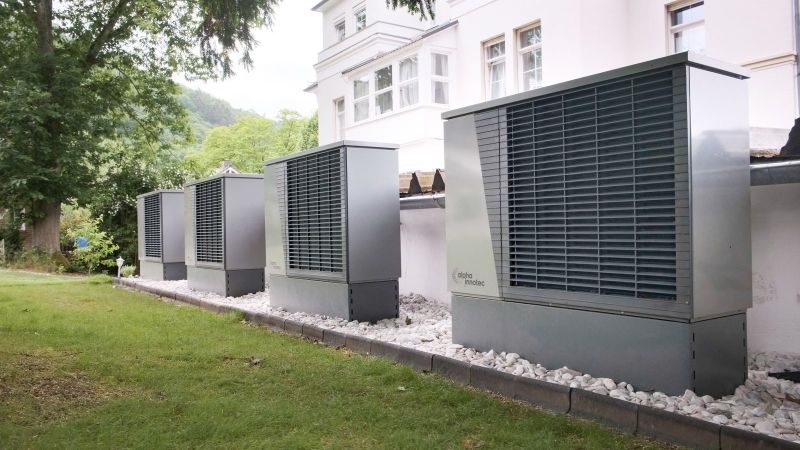
Refrigerant is the part homeowners often overlook. If a system is even slightly undercharged from a small leak, efficiency drops and running costs climb without any obvious fault - you just notice higher bills. A service catches this early. Handling refrigerant legally requires an F-Gas qualified engineer, so this isn't a job for a general handyman.
Why the Manufacturer Warranty Depends On It
Most heat pump manufacturers require documented annual servicing to keep the warranty valid, exactly as boilers do. Warranties of 5 to 7 years are common, and some extend to 10 with regular servicing logged. Miss a service and a compressor failure - the single most expensive fault, often £1,500 to £3,000 to put right - could land entirely on you. That alone usually justifies the annual cost.
Why Devon's Climate Makes Servicing Matter More
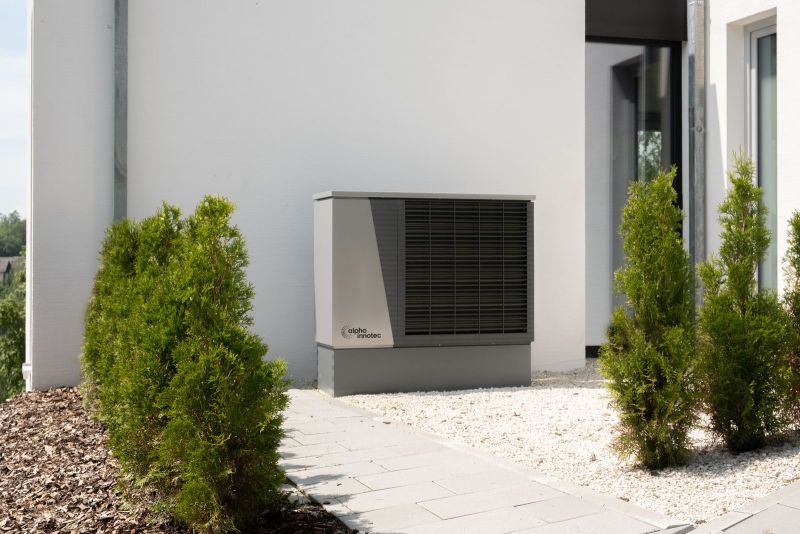
Devon is one of the wettest and most humid parts of England, and that damp air is the enemy of an outdoor heat pump unit. Persistent moisture encourages corrosion on the coil fins and casing, and leaves and organic debris - plentiful in Devon's green, tree-heavy surroundings - clog the airflow the unit depends on. A blocked or corroded coil forces the compressor to work harder, cutting efficiency and shortening its life.

Coastal Devon adds salt to the mix. Homes around Exmouth, Dawlish, and the wider coast get salt-laden air that accelerates corrosion on any exposed metal. Units in these areas benefit from more frequent coil cleaning and rinsing, and an engineer who knows to look for early salt damage.
Winter matters too. Devon rarely sees brutal cold, but frost and the unit's own defrost cycles put stress on the condensate drainage. A frozen or blocked condensate line is a common winter callout, and a service that clears and checks the drainage run heads it off before a cold snap does the damage.
Hard Water and Rural Off-Gas Homes
Parts of Devon have moderately hard water, and where a heat pump feeds a hot water cylinder, scale can build up just as it does in a boiler. Scale on the heat exchanger or immersion reduces efficiency and, left unchecked, can knock several percent off performance over a few years. A service checks for this and flags whether a scale inhibitor is worth fitting.

Devon has an unusually high share of off-gas-grid rural properties - homes with no mains gas that historically relied on oil, LPG, or electric heating. These are exactly the homes now switching to heat pumps, often supported by the Boiler Upgrade Scheme grant of £7,500. For these households the heat pump is the entire heating system, so keeping it serviced isn't optional - a mid-winter failure in a remote property with no backup is a genuine problem.
Because these systems often run harder and longer than a mild-climate design assumes, annual servicing genuinely earns its keep here rather than being a nice-to-have.
Servicing Devon's Holiday-Let Heat Pumps
Devon's tourism economy means a huge number of holiday lets, cottages, and second homes, and heat pumps are increasingly the heating of choice in new and refurbished lets. These properties have a very different servicing profile from a family home. They sit empty for stretches, then run flat out during peak weeks when a heating failure means unhappy guests, refunds, and bad reviews.
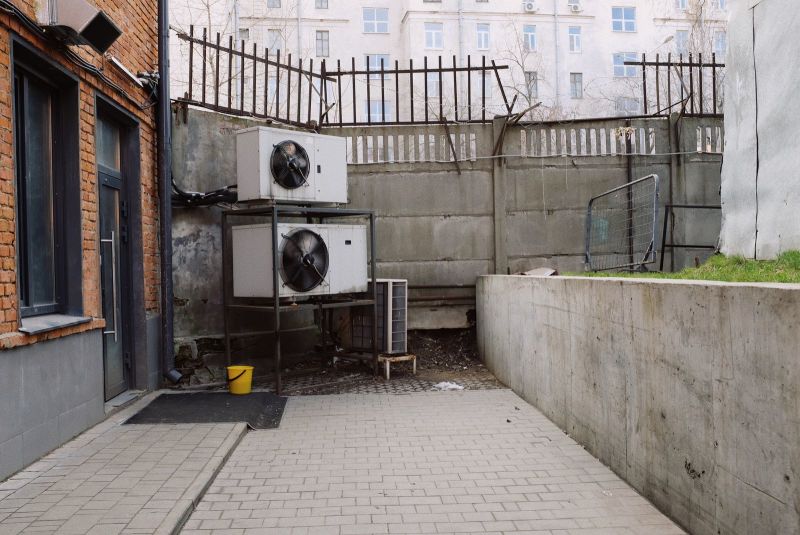
For a let, the case for a pre-season service is strong - ideally in spring before the summer rush, and again before winter bookings. Landlords also have safety and maintenance obligations to guests, and a documented annual service is part of demonstrating the property is properly maintained. Budget the same £150 to £300 per unit, and factor it into running costs rather than treating it as an afterthought.
An empty property also hides faults. A slow refrigerant leak or a corroding coil can go unnoticed for months in a let, which is exactly why a scheduled annual check matters more here, not less.
Choosing the Right Engineer in Devon
Not every heating engineer is qualified to service a heat pump. Look for an installer certified under the Microgeneration Certification Scheme (MCS), which is the recognised standard for heat pump work in the UK and a requirement for grant-funded installs. An MCS-certified engineer who is also F-Gas qualified can legally handle the refrigerant side, which a general plumber cannot.
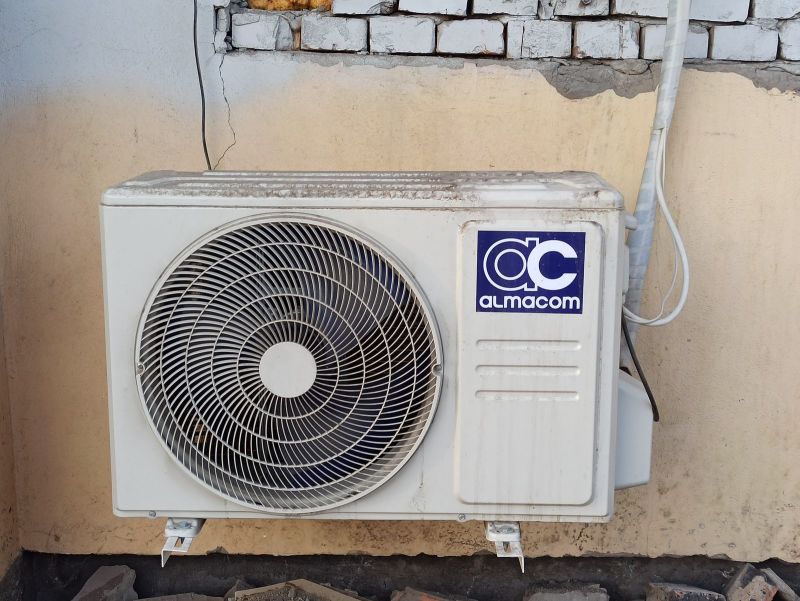
Devon's supply of properly qualified heat pump engineers is growing but still thinner than for gas work, simply because the technology is newer here. That's worth planning around - book your service in spring or early autumn rather than waiting for a mid-winter fault, when the small pool of qualified engineers is busiest.
For impartial background on how heat pumps work and what good maintenance looks like, the Energy Saving Trust's guidance on air source heat pumps is a useful, non-commercial reference. And as with any heating work, keep the service record - it protects your warranty and gives the next engineer a baseline to compare against.
---
FAQ
Q: How much does heat pump servicing cost in Devon?
A: An annual service for a domestic air source heat pump in Devon typically costs £150 to £300, depending on system size, age, and how accessible the outdoor unit is. Ground source systems sit at the higher end. Some installers offer monthly service plans at £15 to £25 a month, though paying per service is usually cheaper for a single well-sited unit.
Q: How often should a heat pump be serviced?
A: Once a year is the standard advice, and most manufacturers require documented annual servicing to keep the warranty valid. Regular servicing keeps efficiency up, catches small refrigerant leaks early, and helps the system reach its expected 15 to 20 year lifespan. For Devon holiday lets, a pre-season service in spring is strongly recommended.
Q: What's included in a heat pump service?
A: The engineer cleans the outdoor coil and fan, checks the refrigerant circuit for leaks and pressure, tests electrical connections and controls, checks flow and return temperatures, cleans or replaces filters, and inspects the condensate drainage. Handling refrigerant requires an F-Gas qualified engineer, and heat pump work should be done by an MCS-certified installer.
Q: Does Devon's damp, coastal climate affect heat pumps?
A: Yes. Devon's high humidity encourages corrosion on outdoor units, and leaves and debris clog airflow, forcing the compressor to work harder. Coastal areas like Exmouth and Dawlish add salt-laden air that speeds up corrosion. These conditions make regular coil cleaning and annual servicing more important than in drier inland regions.
---
You might also like