
What Happens on Boiler Installation Day in Exeter: Hour by Hour
Plenty has been written about what a new boiler costs, and not much about what actually happens once the van pulls up outside. So this is the other guide: boiler installation day in Exeter, hour by hour, from dust sheets at 8am to warm radiators by teatime. The headline numbers first. A straightforward like-for-like combi swap takes one day - usually 6 to 8 hours on site - and costs £2,000 to £3,500 fitted. Around 8 in 10 Exeter installs are exactly that. The other 2 in 10 stretch to two days, usually because the boiler is moving rooms, a hot water cylinder is coming out, or the flue needs rethinking in one of the city's Victorian terraces in St Thomas, Heavitree or Newtown. Either way, you lose heating and hot water for a matter of hours, not days, and a decent installer will tell you before they start which kind of job yours is. Here is how the day runs.
Before Boiler Installation Day in Exeter: The Survey and the Quote
The day goes smoothly or badly depending on what happened one or two weeks earlier. A proper survey - in person or by video - checks the gas supply pipe size, the flue route, the condensate drain and the state of your radiators, and turns all of that into a fixed written quote. If someone offers you a price without seeing any of that, treat the number as decoration. Around 10 to 15% of Exeter's older homes need the gas supply pipe upgraded from 15mm to 22mm to feed a modern combi properly, and that is far better discovered on the survey than at 9am on the day.
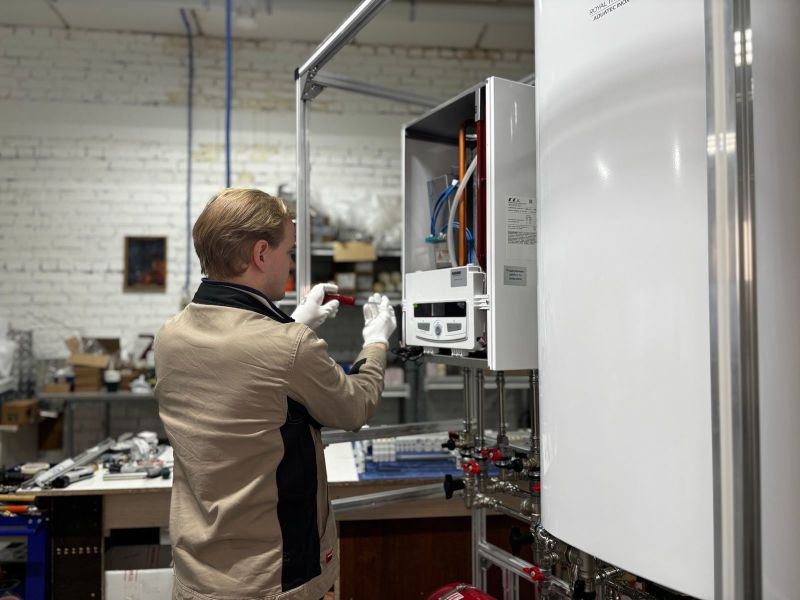
Your side of the prep takes ten minutes. Clear a metre or so of space around the boiler, move anything fragile off the route from the front door, and pen the dog somewhere out of the way. If you want a sense of whether your job is a one-day swap or something bigger, Green Home Boilers & Heat Pumps surveys and installs across Exeter and can usually tell you within minutes of seeing the current setup.
Book with the season in mind, too. Exeter's mild autumns lull people until the first cold snap, then every Gas Safe engineer in Devon is booked solid for two or three weeks. An October install books far easier than a late-November one.
8:00am: Arrival, ID Check and Dust Sheets
The engineer arrives, and before anything else you should do the one check that matters: ask to see their Gas Safe ID card. Every legal gas engineer in the UK carries one, front side showing their photo and licence number, back side listing exactly which gas work they are qualified for. It is illegal to fit a boiler without registration, yet an estimated 1 in 5 UK gas jobs is done by someone unregistered. You can verify any engineer in under a minute on the Gas Safe Register, and no good engineer minds being asked. They would rather you checked.
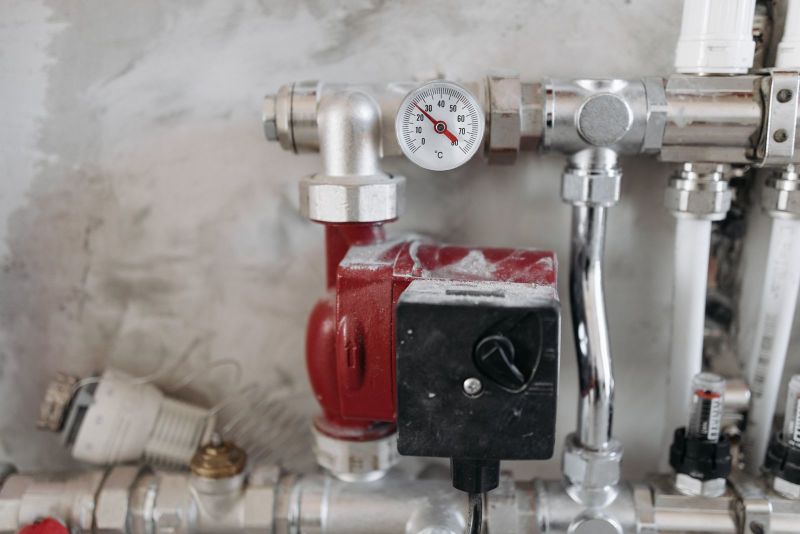
Then the unglamorous part: dust sheets through the hallway, carpet protector on the stairs if the boiler is upstairs, tools in, old boiler assessed. You will be asked where the stopcock is and talked through the plan for the day. This is the moment to mention anything odd about the house - the radiator that never gets hot, the pressure that drops every fortnight - because it is cheapest to deal with while the system is already open.
8:30am to 10:00am: Draining Down and Out With the Old
First real job: isolation. Gas off at the meter, electrics off at the fused spur, water isolated, and then the system is drained - a three-bed's heating circuit holds 80 to 120 litres of murky black water, which leaves through a hose to an outside drain rather than through your carpets. Draining takes 30 to 45 minutes on most Exeter homes.
The old boiler then comes off the wall. A modern combi weighs 30 to 40kg; some older floor-standing units and back boilers push well past 50kg and take two people. If you are losing a hot water cylinder and tanks as part of a combi conversion, this is when the airing cupboard suddenly doubles in size. The old unit goes to the van, not landfill - installers scrap boilers through metal recycling, and roughly 90% of a boiler by weight is recyclable steel, copper and brass.
10:00am to Midday: The Flush and the Pipework
With the system empty, it gets cleaned. Sludge - magnetite, the black iron oxide that builds up in every ageing system - is the number one killer of new boilers, and manufacturers know it, which is why a proper clean is a warranty condition, not an optional extra.
On most one-day swaps that means a chemical flush: cleaner circulated through the system, then flushed out. Badly sludged systems need a power flush instead, which adds £300 to £500 and a few hours. A magnetic filter then goes on the return pipe - £100 to £150 fitted - to catch whatever sludge forms in future. Skipping the filter to save money is a false economy; several manufacturers halve their warranty terms without one.
If Your System Needs More Than a Rinse
The engineer can tell a lot from what comes out of the drain hose. Water like weak tea is fine; water like espresso means years of accumulated magnetite, and a chemical rinse will not shift it. We have covered what power flushing costs in Exeter and when a system actually needs one in its own guide - worth a read before installation day, because it is the single most common cause of a quote growing on the day itself.
While the cleaning chemicals circulate, the pipework gets adapted to suit the new boiler: new isolation valves, the gas connection made up, and the condensate pipe run to a drain. That condensate run matters in Exeter's terraces - where it must go outside, it needs insulating, because an uninsulated external condensate pipe freezing solid is the single biggest cause of boiler breakdown calls in a Devon cold snap.
Midday to 2:00pm: The New Boiler Goes On the Wall
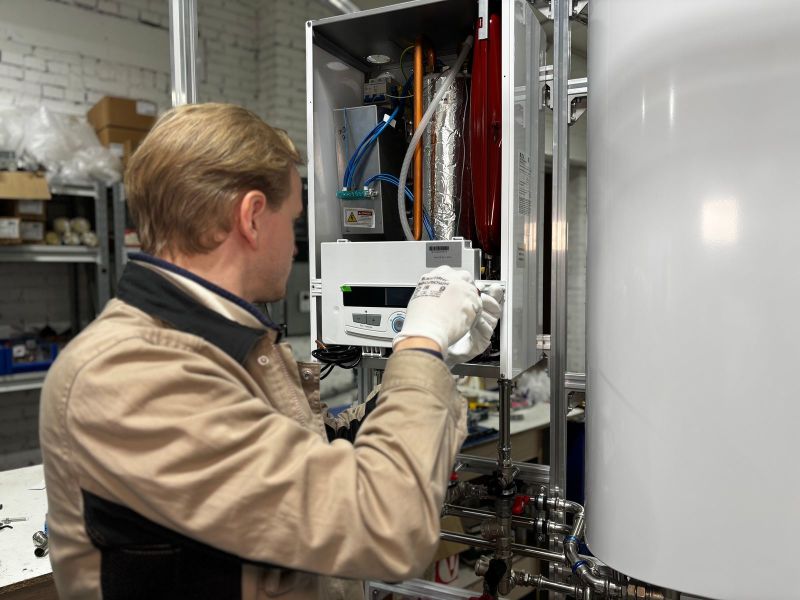
The satisfying bit. The mounting bracket goes up, the new boiler - typically 700mm tall and 30 to 40kg for a modern combi - is lifted on, and the connections are made: gas, flow and return, cold main, hot water out, condensate.
Then the flue. The old hole rarely lines up with the new boiler, so expect the core drill to make some noise for ten minutes. Regulations set minimum distances - broadly 300mm from opening windows and doors and 2.1 metres clearance above ground if it fires onto a path - and in Exeter's tightly packed Victorian streets, where the gap between houses can be under a metre, flue positioning is the thing most likely to have needed solving at survey stage. A plume management kit, at £100 to £200, redirects the steam cloud away from a neighbour's window and settles most tight cases.
By early afternoon the system refills, with inhibitor chemical added to protect the fresh water, and it is pressurised to roughly 1 to 1.5 bar looking for leaks.
2:00pm to 4:00pm: Firing Up and Commissioning
Commissioning is what separates an installation from a boiler merely screwed to a wall. The engineer fires the boiler, checks the gas rate at the meter to confirm the boiler is burning the right volume, and puts a flue gas analyser in the flue to verify the combustion readings sit inside the manufacturer's tolerances. Every radiator is bled and checked, hot water flow tested at the taps.
The efficiency step-change is real, not brochure talk: a modern condensing combi runs at 92 to 94% efficiency against roughly 70% for the 15-year-old G-rated boiler it usually replaces. The Energy Saving Trust's boiler advice puts the saving from that swap at up to a few hundred pounds a year for a typical three-bed. The engineer should also set the flow temperature properly rather than leaving factory defaults - dropping a combi's radiator flow from 80°C to around 60 to 65°C keeps the boiler condensing and can save a further 6 to 8% on gas in a mild climate like Exeter's, where full-blast heat is rarely needed.
4:00pm: Handover, Controls and Paperwork
The last hour is talking, not tools. The engineer walks you through the controls - how to set the timer, re-pressurise the system when the gauge drops, and thaw a frozen condensate pipe (a kettle of warm water, not boiling, on the outside pipe). Ask questions now; it is easier than a callback in December.
Three pieces of paperwork follow, and all three matter. The Benchmark commissioning checklist gets filled in inside the boiler manual - warranty claims can be refused without it. The installation is notified to Exeter City Council under the Building Regulations, which triggers a compliance certificate posted to you within a few weeks; keep it, because solicitors ask for it when you sell. And the warranty gets registered with the manufacturer, typically 7 to 12 years on a quality boiler fitted by an accredited installer - but only if registered within 30 days, a step a surprising number of installers leave to the homeowner and the homeowner forgets.
When Boiler Installation in Exeter Takes Two Days
Some jobs are honestly two days, and it is better to know in advance than to be surprised. A combi conversion - removing a cylinder and loft tanks - adds half a day of stripping out and pipework. Moving the boiler to a different room means new gas, water and flue runs. Exeter's older terraces add their own quirks: microbore pipework that needs partial replacement, gas supply pipes upgraded across the length of the house, or a flue that has to exit through the roof at £300 to £500 extra because the walls offer no compliant position.
One more thing worth saying before you book: if your boiler is limping rather than dead, it costs nothing to ask whether a heat pump makes more sense than another 15 years of gas. The government's Boiler Upgrade Scheme puts £7,500 towards a heat pump but nothing towards a gas boiler, and once a new boiler is on the wall that conversation is effectively parked for a decade. For most Exeter homes a modern combi is still the right call today - it is just a decision worth making once, with both options on the table.
---
FAQ
Q: How long does a boiler installation take in Exeter?
A: A like-for-like combi swap takes one day - typically 6 to 8 hours on site - and around 8 in 10 Exeter installs fall into that bracket. Combi conversions (removing a cylinder and tanks), boiler relocations, and flue complications in older terraces stretch the job to two days. You are without heating and hot water for hours, not days.
Q: How much does boiler installation day cost in Exeter?
A: A straightforward like-for-like swap runs £2,000 to £3,500 fitted. Common extras include a power flush for badly sludged systems (£300 to £500), a magnetic filter (£100 to £150), a plume management kit for tight terraces (£100 to £200), and a roof flue where walls offer no compliant exit (£300 to £500).
Q: Will I be without heating and hot water during the installation?
A: Yes, but only for part of the day. Gas and water are isolated mid-morning once draining starts, and on a standard swap the new boiler is fired up and commissioned by mid-afternoon. On a two-day job, installers aim to have hot water running by the end of day one, with commissioning and tidying on day two.
Q: What paperwork should I get after a boiler installation in Exeter?
A: Three things: the Benchmark commissioning checklist completed in the boiler manual (warranty claims can be refused without it), a Building Regulations compliance certificate via notification to Exeter City Council (solicitors ask for it when you sell), and manufacturer warranty registration - typically 7 to 12 years, but only if registered within 30 days of installation.
Q: How do I know my installer is legal?
A: Ask to see their Gas Safe ID card when they arrive - photo on the front, qualifications listed on the back - and verify them on the Gas Safe Register website in under a minute. Fitting a boiler without Gas Safe registration is illegal, yet an estimated 1 in 5 UK gas jobs is carried out by someone unregistered. No reputable engineer minds being checked.
---
You might also like