
New Boiler Costs in Plymouth 2026: What You'll Pay and What Changes the Price
Plymouth has around 118,000 households, and roughly a third of them are still heated by a boiler installed before 2012. Once a gas boiler passes twelve years old its efficiency has usually dropped from a nameplate 92% to something nearer 80% in real use, which on an average Plymouth gas bill means £180 to £320 a year going out of the flue. A straight combi swap in the city costs £2,200 to £3,400 in 2026. A conversion from an old back boiler or a vented system to a modern combi runs £3,400 to £5,200. The gap between those numbers is almost entirely about what is already in the house, not the boiler you choose. Here is how to work out which job yours is.
What a New Boiler Costs in Plymouth in 2026
The clearest way to think about it is by job type rather than by brand.
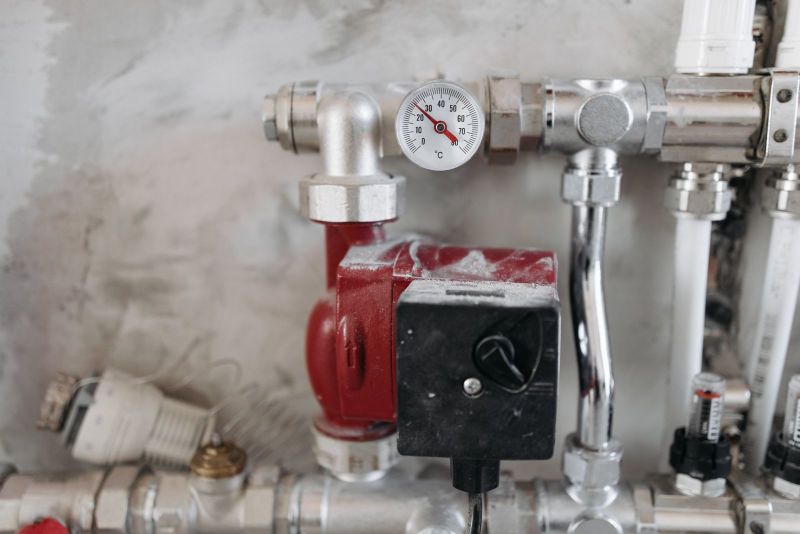
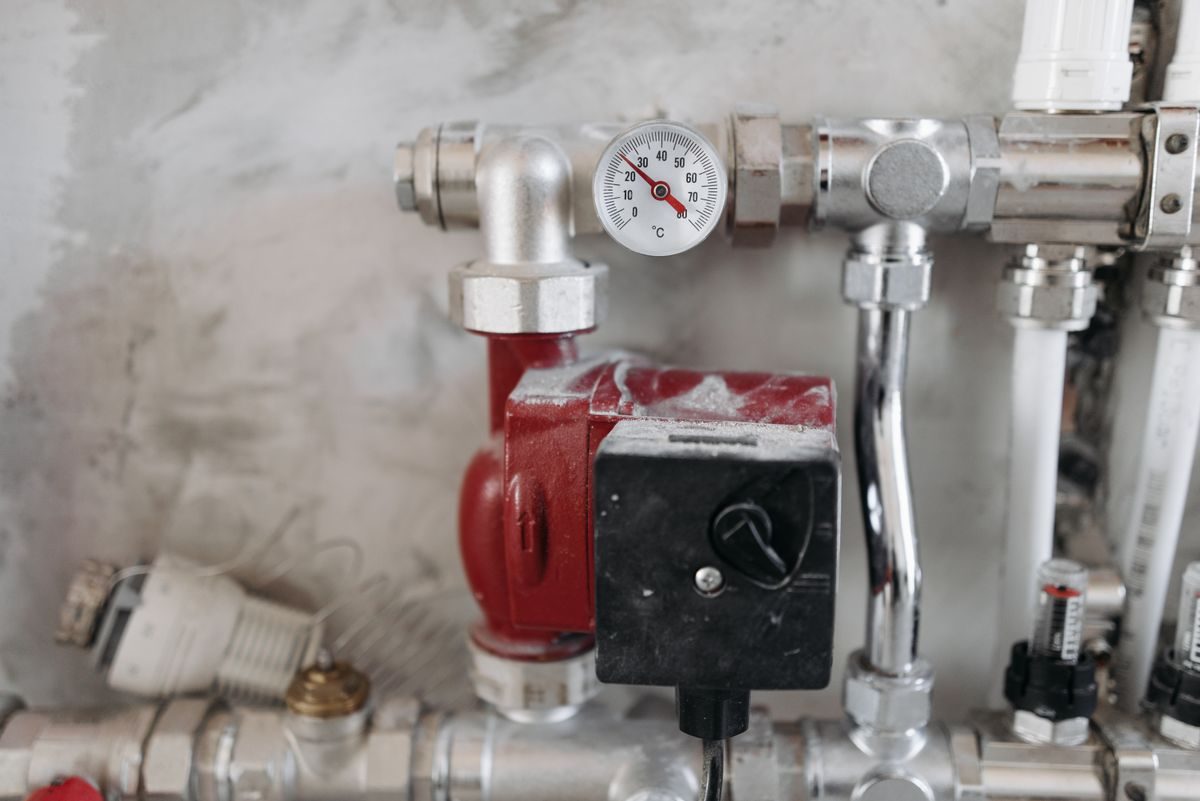
A like-for-like combi swap, where the new boiler goes on the same wall with the same pipe connections, runs £2,200 to £3,400 fitted. That covers a mid-range 24 to 30kW combi, a system flush, a magnetic filter, new flue and a warranty registration.
Moving the boiler to a different room adds £400 to £900 for pipework, flue and making good. Converting a conventional vented system with a hot water cylinder and loft tanks to a combi runs £3,400 to £5,200 because the cylinder and tanks come out, the pipework is reworked, and the mains supply usually needs checking. Removing a back boiler from behind a fireplace is the most involved of the common jobs at £3,800 to £5,800, since the old unit has to be broken out and the chimney sealed and vented.
A system boiler with an unvented cylinder, which is what a four-bedroom Plymouth house with two bathrooms usually needs, lands £3,600 to £5,500 including the cylinder. If you want a figure for your own property rather than a range, Green Home Boilers and Heat Pumps will survey the house and price the actual job, including whatever the previous installer left behind.
The Six Things That Move a Plymouth Quote
Boiler brand is the smallest variable, and homeowners consistently overweight it. Six other things move the price far more.
Mains water pressure and flow rate is the first. A combi needs at least 1.5 bar and ideally 12 to 15 litres per minute at the kitchen tap to run a decent shower. A good number of Plymouth's Victorian terraces in Stoke, Greenbank and Mutley still have a 15mm lead or steel supply from the main, delivering 8 to 10 litres a minute. Upgrading the incoming main to 25mm MDPE costs £600 to £1,600 depending on the length of the run and whether the pavement has to be dug.
Second is gas pipe sizing. A modern 30kW combi at full output needs more gas than a 1990s 15kW boiler, and the existing 15mm gas run frequently will not carry it. Upgrading to 22mm from the meter runs £250 to £700.
Third is the flue route. Fourth is the state of the existing radiators and whether the system is full of sludge. Fifth is whether asbestos is present around an old back boiler. Sixth is access - a top-floor flat in a Plymouth conversion with no lift adds time to every stage.
Why Sludge Matters More Than It Sounds
Iron oxide sludge in an old system will wreck a new boiler's heat exchanger within a couple of years, and most manufacturers void the warranty if no filter is fitted. A chemical flush costs £150 to £280 and a powerflush £400 to £700. On any Plymouth system over fifteen years old with steel radiators, the powerflush is usually the honest recommendation rather than an upsell, and a magnetic filter at £120 to £200 fitted is non-negotiable.
How Plymouth's Housing Stock Changes the Job
The city divides into a few clear types for heating work.
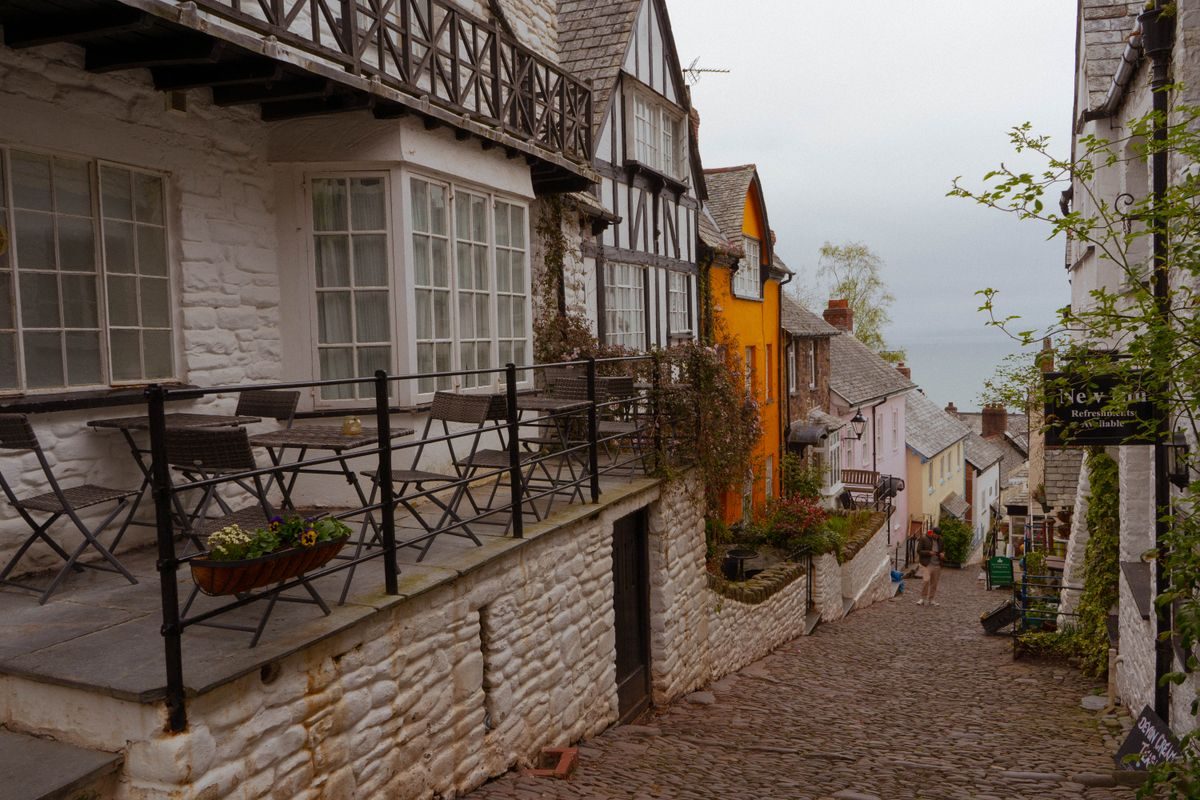
The pre-war terraces of Stoke, Peverell, Mutley and Ford tend to have solid 9-inch walls, original chimney breasts, and heating systems that have been patched rather than replaced. Back boilers and airing-cupboard cylinders are common. These are the £3,800 to £5,800 jobs.
The post-war rebuild housing across the city centre, Devonport and Ernesettle was built quickly to standard plans, which makes the pipework predictable and the jobs faster. Straight swaps here are often at the lower end of the range.
The 1980s to 2000s estates at Woolwell, Estover, Plympton and Elburton mostly have their second or third boiler already, sensible pipe runs, and combi installations from the outset. These are the £2,200 to £2,900 jobs.
Then there is the flat conversion stock across Stonehouse and the Hoe, where a shared flue, a communal riser or a listed frontage can turn a routine swap into a genuinely complicated project.
Soft Water: Plymouth's Quiet Advantage
South West Water supplies Plymouth with soft water, typically well under 100 mg/l of calcium carbonate. That is a real benefit for heating equipment.

Hard water areas see combi heat exchangers scale up and lose efficiency within five to eight years, and plate exchanger replacement is a recurring cost there. In Plymouth that failure mode is far less common, which is one reason combis do well in the city and why scale reducers are usually unnecessary.
The trade-off is that soft water is mildly more aggressive to copper over long periods and does nothing to inhibit corrosion, so system inhibitor matters just as much here. A litre of inhibitor is £20 and should be topped up whenever the system is drained.
Running Costs, and Whether a Heat Pump Makes More Sense
The honest comparison depends on what you are replacing and what the house is like.
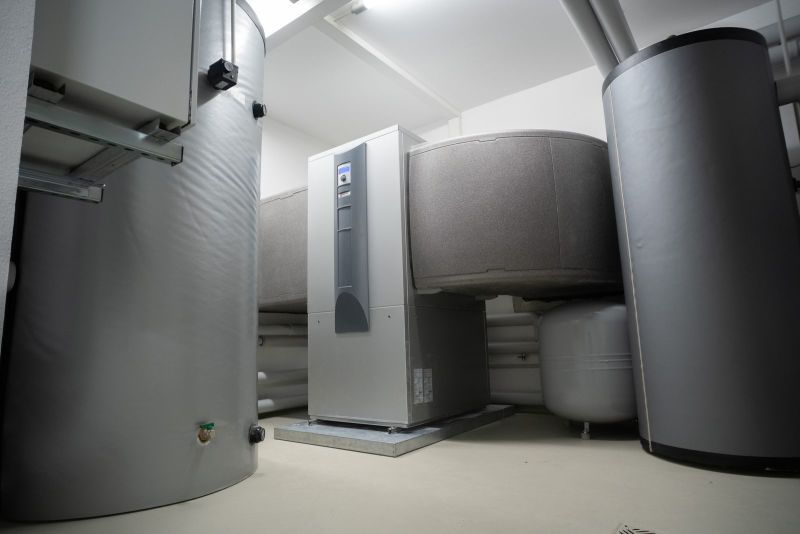
A modern condensing gas combi in Plymouth running at around 90% seasonal efficiency will cost a typical three-bedroom semi roughly £850 to £1,250 a year in gas for heating and hot water at 2026 unit rates. A well-designed air source heat pump in the same house, running at a seasonal performance factor of 3.2 to 3.6, costs roughly £900 to £1,400 a year in electricity - so broadly comparable, sometimes slightly more, sometimes slightly less depending on tariff.
The case changes sharply on two axes. Off gas grid, where the alternative is oil or LPG, a heat pump wins clearly. And with the Boiler Upgrade Scheme grant available towards an air source installation, the capital gap narrows a lot. Plymouth is well served by gas, so for most city properties a new boiler remains the straightforward answer, with heat pumps making most sense in the better-insulated stock and in the surrounding off-gas villages. We set out the decision in more detail in our walkthrough of what happens on boiler installation day in Exeter, which covers the same survey questions.
Sizing Matters More Than Efficiency Rating
Every modern condensing boiler on the market is between 89% and 94% efficient on paper. Almost none of them achieve it, because they are oversized and short-cycle. A three-bedroom Plymouth semi with cavity walls typically has a heat loss of 6 to 9 kW, yet routinely gets a 30kW boiler fitted because that size gives good hot water flow. The right answer is to size the boiler on hot water demand but set the central heating output down to match the heat loss, which most installers can do in the commissioning menu in two minutes and many do not.
Warranties, Certificates and What You Should Receive
A gas boiler installation is notifiable work. The installer must be on the Gas Safe Register, and they must notify building control, which normally happens automatically through the Gas Safe scheme. You should receive a Building Regulations Compliance Certificate within about four weeks.
You should also get: the benchmark commissioning checklist filled in and signed inside the boiler manual, the manufacturer warranty registered in your name, a gas safety record, and the flue and condensate details recorded. Warranties on mainstream brands run five to twelve years, and the longer ones are usually conditional on annual servicing by a registered engineer.
Check the installer's registration yourself rather than relying on a van sticker - the Gas Safe Register has a free public search, and every engineer carries an ID card with a licence number and expiry date on it. Consumer guidance on comparing installation quotes is also published by Which?, which is a useful neutral reference when three quotes arrive £1,500 apart.
Getting Comparable Quotes
The single biggest reason Plymouth boiler quotes vary is that they include different work. Ask every installer to state in writing: the boiler make, model and output; whether a system flush or powerflush is included and which; whether a magnetic filter is fitted; whether the gas supply pipe needs upgrading and at whose cost; what happens to the old cylinder and tanks; whether new thermostatic radiator valves and a room thermostat are included; and the warranty length and its servicing conditions.
Then ask one question that separates good installers from the rest: what is the measured flow rate at the kitchen tap, and what boiler output does that support? An installer who has not measured it is guessing, and a combi that cannot deliver hot water at the rate the household expects is the most common complaint after a new installation in this city.
Frequently Asked Questions
How much does a new boiler cost in Plymouth in 2026?
A like-for-like combi swap runs £2,200 to £3,400 fitted. Converting a vented system with a cylinder to a combi costs £3,400 to £5,200, and removing an old back boiler runs £3,800 to £5,800. A system boiler with an unvented cylinder for a larger house lands £3,600 to £5,500.
Do I need to upgrade my water main for a combi boiler in Plymouth?
Possibly, if you live in older terraced stock. A combi needs around 12 to 15 litres per minute at the kitchen tap for a decent shower, and many pre-war Plymouth properties still have a 15mm lead or steel supply delivering 8 to 10. Upgrading to 25mm MDPE costs £600 to £1,600 depending on the run.
Is Plymouth's water hard enough to damage a combi boiler?
No. South West Water supplies soft water to the city, typically well under 100 mg/l, so limescale in heat exchangers is much less of a problem than in hard water regions and scale reducers are usually unnecessary. System inhibitor is still important, since soft water does nothing to prevent corrosion.
Should I get a heat pump instead of a new boiler in Plymouth?
For most on-gas Plymouth properties a new condensing boiler remains the simpler answer, with running costs broadly comparable to a well-designed heat pump. A heat pump makes a clearer case off the gas grid, where the alternative is oil or LPG, and where the Boiler Upgrade Scheme grant closes much of the capital gap.
You might also like