
Air Source Heat Pump Installation in Exmouth: What's Involved, What It Costs, and Who It Suits
Exmouth sits on the east Devon coast, which gives it a relatively mild climate by UK standards - milder winters than much of the country and reasonable summer temperatures. That's actually relevant to heat pump performance, because air source heat pumps extract heat from outside air and work more efficiently when that air is warmer. A property in Exmouth has somewhat better conditions for heat pump operation than, say, the same house in the north of England.
That said, whether a heat pump makes sense for a specific Exmouth property depends on more than local climate. The building fabric, the existing heating distribution, and realistic running costs all matter, and it's worth understanding each of them before committing.
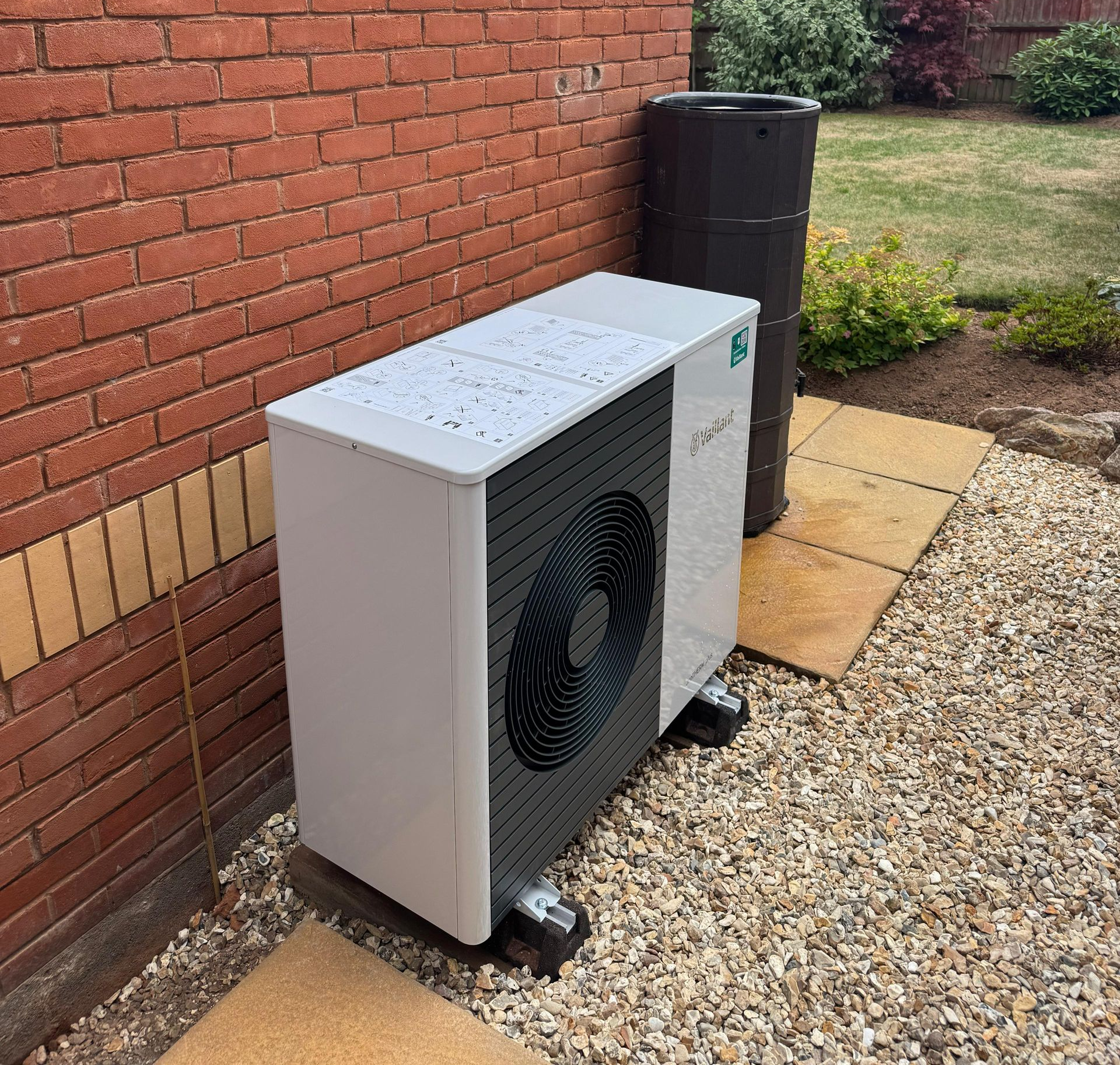
How Air Source Heat Pumps Work
An air source heat pump moves heat from outside air into the building using a refrigerant cycle - similar in principle to a fridge working in reverse. The headline measure of efficiency is the COP (coefficient of performance): how many kilowatts of heat you get per kilowatt of electricity consumed. A modern heat pump in typical UK conditions might run at a seasonal COP of 2.5 to 3.5 - meaning for every 1 kW of electricity it uses, it produces 2.5 to 3.5 kW of heat. That's what makes them more economical to run than a standard electric heater, though the comparison with a gas boiler depends on current electricity and gas prices.
What Affects Suitability in an Exmouth Home
Insulation and fabric. Heat pumps work best in well-insulated buildings. This is because they produce lower flow temperatures than a gas boiler (typically 35-55°C rather than 60-80°C), which means you need more radiator area or underfloor heating to compensate. An older Exmouth property with poor insulation and small radiators is a harder candidate than a modern well-insulated one. It's not impossible, but it usually requires either improving the insulation or upsizing the radiators, both of which add cost.
Existing heating distribution. Underfloor heating is the ideal partner for a heat pump because it works well at lower flow temperatures. If a property already has underfloor heating throughout, or it's being installed as part of a renovation, the heat pump can run very efficiently. If the existing system is radiators, a heat pump can still work but a heat loss calculation needs to confirm the radiators are large enough for the lower flow temperature.
Space for the external unit. The heat pump unit sits outside - on a wall bracket, on a pad on the ground, or in some cases on a flat roof. Most Exmouth properties have space for this; it's mainly relevant for terraced properties with limited access or front-of-property positions where permitted development rules apply.
Installation: What's Actually Involved
Green Home Boilers & Heat Pumps carries out heat pump installations across Exmouth and east Devon, and the process is more involved than a boiler swap. The key elements:
- Heat loss calculation for the property to confirm the right-sized unit
- Selection and supply of the outdoor unit
- Running pipework and refrigerant connections from the outdoor unit to a buffer tank or cylinder inside
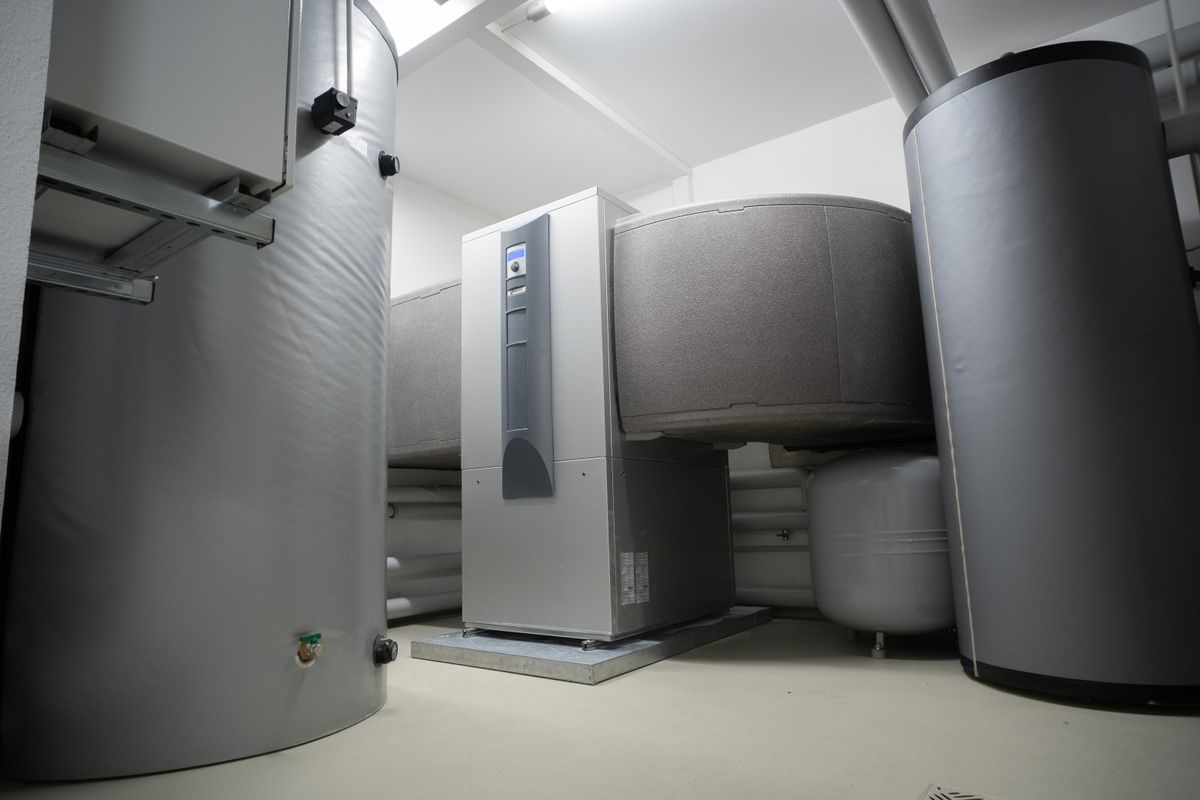
- Hot water cylinder installation (heat pumps need a separate cylinder rather than a combi arrangement)
- Integration with the existing heating distribution or installation of new distribution
- Electrical connection (heat pumps need a dedicated circuit and often an upgraded supply)
- MCS certification and registration for Boiler Upgrade Scheme applications
The installation itself typically takes two to three days for a standard residential job.
Costs and the Boiler Upgrade Scheme
The headline cost for an air source heat pump system in an Exmouth home is typically £8,000-£15,000 depending on the size of the property and what changes are needed to the heating distribution. The Boiler Upgrade Scheme currently provides a £7,500 grant towards the cost, which brings the net figure down significantly for eligible properties. Eligibility requires MCS certification and a valid EPC within the last ten years.
We've also covered what to expect from heat pump noise levels in Devon properties if that's something you're weighing up before committing.
FAQ
Q: Is Exmouth a good location for an air source heat pump?
Relatively yes. Exmouth's mild coastal climate means milder winters compared to much of the UK, which benefits heat pump efficiency. The seasonal performance will generally be better than in colder inland or northern locations.
Q: Do I need underfloor heating to run an air source heat pump in Exmouth?
Not necessarily, but it helps. Heat pumps run at lower flow temperatures than boilers, so radiators need to be sized accordingly. A heat loss calculation can confirm whether existing radiators are adequate or whether upsizing is needed.
Q: How much does a heat pump installation cost in Exmouth in 2026?
Typically £8,000-£15,000 depending on property size and distribution changes needed. The Boiler Upgrade Scheme currently offers a £7,500 grant, which significantly reduces the net cost for eligible properties.
Q: How long does heat pump installation take?
A standard residential installation typically takes two to three days, though this varies depending on the complexity of the heating distribution changes and any electrical upgrade work needed.
You might also like