
Heat Pump Planning Permission in Devon: What You Need to Know in 2026
If you're thinking about an air source heat pump in Devon, one of the first questions is whether you need planning permission, and the honest answer is: usually not, but it depends on your property. Most domestic air source heat pumps are covered by permitted development rights, which means no planning application at all. That's a big reason installs have climbed, with more than 250,000 heat pumps now certified across the UK and the government aiming for 600,000 a year by 2028. But Devon throws in a few local wrinkles. Around a fifth of homes here sit off the mains gas grid, so heat pumps make real sense in rural villages, yet many of those same properties are older cob or stone cottages, sit in conservation areas, or are listed - and those factors can flip a simple job into one that needs council sign-off. A typical air source heat pump costs £8,000 to £15,000 installed, with a £7,500 government grant available, so it's worth getting the planning side right before you spend. This guide breaks down exactly when you're clear to proceed and when you're not.
Permitted Development: The Default Position
For most Devon homes, an air source heat pump can be installed under permitted development rights without a planning application, provided it meets a set of conditions. These rules exist so that straightforward installs don't clog up the planning system, and the vast majority of standard houses qualify comfortably.
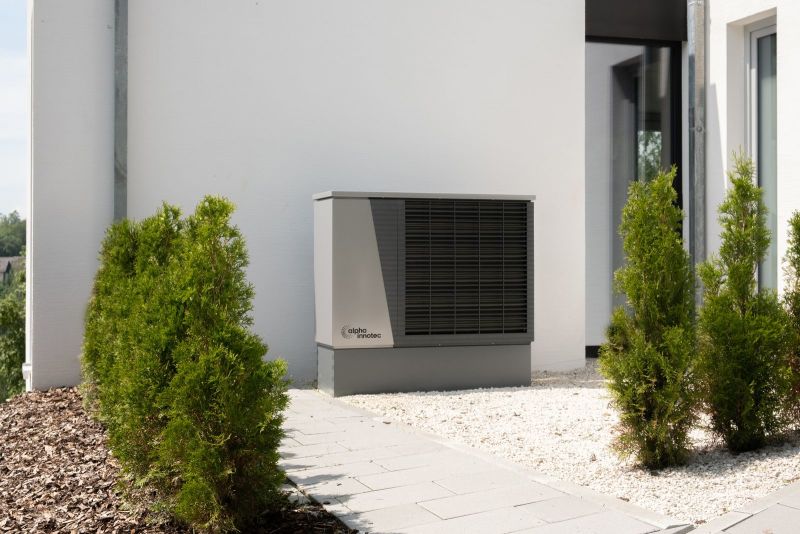
The core conditions cover where the unit sits, how big it is, how much noise it makes, and what's nearby. As long as your installation ticks each box, you can go ahead without applying. If you're not certain whether your property qualifies, the team at Green Home Boilers & Heat Pumps can assess your home against the current rules before any work starts, which saves the risk of an expensive misstep. The full legal detail sits on the government's own Planning Portal guidance on heat pump permitted development, which is the authoritative reference point.
The 1 Metre Boundary Rule
One of the most important permitted development conditions is distance from your property boundary. As of 2026, an air source heat pump must be sited more than 1 metre from the edge of your property to fall under permitted development. Place it closer than that to a neighbour's fence and you'll need to apply for planning permission.
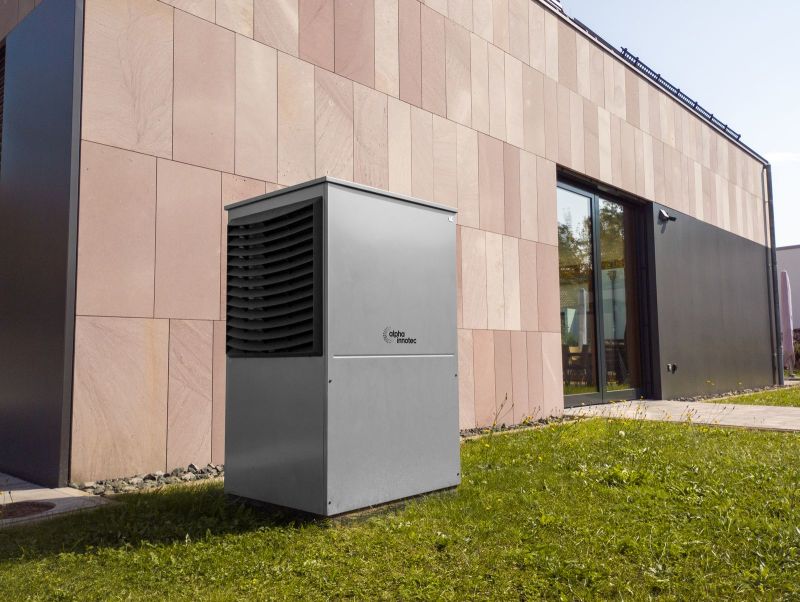
This catches out more Devon homes than you'd expect. The tightly packed Victorian and Edwardian terraces around Exeter's St James and Newtown often have narrow side returns and small yards where finding a spot more than 1 metre from every boundary is genuinely tricky. In those cases the installer has to think carefully about siting, or you accept that a planning application is part of the job. A good survey works this out on day one rather than after the unit is ordered.
Rules Were Eased in 2025
It's worth knowing the boundary situation improved recently. Earlier rules were even stricter, and reforms have loosened some limits to encourage uptake - including allowing larger units and, in England, a second heat pump under permitted development on many properties. The direction of travel is toward making installs easier, but the 1 metre boundary condition still stands, so don't assume every restriction has gone.
Size and Volume Limits
Permitted development also caps the physical size of the outdoor unit. The heat pump and its housing must not exceed a volume of 1.5 cubic metres, which comfortably covers the standard domestic units most Devon homes need. A typical 5kW to 12kW air source unit for a three or four-bedroom house sits well within that figure.
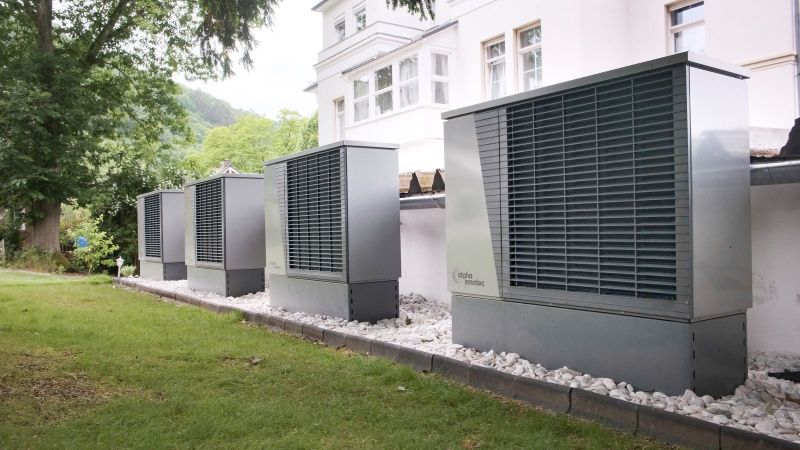
Where this matters is on larger rural properties - farmhouses and converted barns in mid and east Devon that need bigger output to heat a poorly insulated stone building. If your heat demand pushes you toward a very large unit, or a cascade of two units, you may cross the volume threshold or the rules on multiple pumps and tip into needing permission. It's another reason a proper heat-loss survey matters: it tells you the output you need before you find out whether it fits the permitted development box.
Noise: The MCS 020 Assessment
Noise is where the most technical condition lives. To qualify for permitted development, the heat pump must be installed so that noise measured at the nearest neighbouring habitable room doesn't exceed 42 decibels. Installers demonstrate this using the MCS 020 planning standard, a calculation that factors in the unit's sound power, the distance to the neighbour, and any barriers or walls in between.
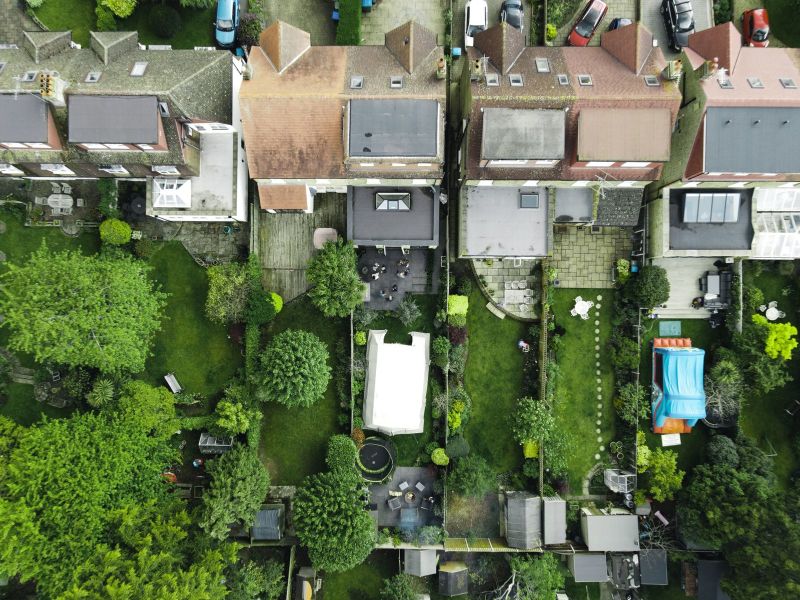
For most detached and semi-detached Devon homes with reasonable garden space, passing the MCS 020 assessment is straightforward. The challenge again comes with terraced streets and closely spaced village cottages, where the nearest neighbouring window might be only a few metres away. In those cases the installer may need to choose a quieter unit, reposition it, or add acoustic screening to bring the calculated noise level under 42 decibels. Using a certified installer matters here, because only a properly completed MCS 020 assessment satisfies the permitted development condition.
Why Using an MCS Installer Matters
Beyond the noise calculation, your heat pump must be fitted by an installer certified under the Microgeneration Certification Scheme to qualify for the £7,500 Boiler Upgrade Scheme grant. Certified installers are more concentrated in and around Exeter and Plymouth than in the remoter parts of Devon, so rural homeowners sometimes wait a little longer for a survey slot. You can check an installer's credentials and understand the standard on the Microgeneration Certification Scheme website, which is the official body overseeing it.
Conservation Areas and Listed Buildings
This is where Devon's character really changes the picture. In a conservation area - and Devon has many, from Exeter's historic core to villages like Topsham, Cullompton, and swathes of Dartmoor and the coast - permitted development rights are tighter. In particular, siting a heat pump on a wall or roof that fronts a highway is usually not permitted development in a conservation area, so you'd need to apply.

Listed buildings are stricter still. If your home is listed, you will almost certainly need listed building consent for an external heat pump, on top of any planning permission, because attaching plant to a protected structure alters its character. Devon has a high concentration of listed cob and thatch cottages, and consent here focuses on siting the unit discreetly - out of public view, often to the rear or screened by planting. It's very doable, but it needs the council involved from the start, not as an afterthought.
Off-Gas Rural Devon: A Strong Case for Heat Pumps
Around 19% of Devon homes are off the mains gas grid, relying on oil, LPG, or electric heating that's often expensive and carbon-heavy. For these rural properties a heat pump is frequently the single best upgrade available, and the £7,500 grant plus Devon's mild climate makes the numbers work well. Our relatively few hard-frost days mean a heat pump runs efficiently across more of the year than one installed further north.
The planning trade-off is that these rural homes are more likely to be older, listed, or in protected landscape - so while the case for the technology is strong, the paperwork can be more involved. Larger plots usually make the boundary and noise conditions easy to meet, which helps. We've set out the funding side in detail in our guide to Devon boiler and heat pump grants for 2026, which pairs well with this planning overview if you're weighing up a switch.
What to Do Before You Commit
The practical sequence is simple. First, get a heat-loss survey so you know the unit size you actually need. Second, have the installer check it against the permitted development conditions - the 1 metre boundary, the 1.5 cubic metre volume, and the 42 decibel MCS 020 noise limit. Third, confirm whether your home sits in a conservation area or is listed, because that alone can require an application regardless of everything else.

If a planning application is needed, it's not the end of the world - householder applications in Devon typically cost around £200 to £250 and take roughly eight weeks for a decision. Building that into the timeline from the start avoids nasty surprises. Get the planning position confirmed before you order equipment, and your heat pump install should run smoothly from survey to switch-on.
---
FAQ
Q: Do I need planning permission for a heat pump in Devon?
A: Usually not. Most domestic air source heat pumps in Devon fall under permitted development, meaning no application is needed, provided the unit sits more than 1 metre from your boundary, stays under 1.5 cubic metres in volume, and meets the 42 decibel MCS 020 noise limit. You will normally need permission if your home is listed, in a conservation area with the unit facing a highway, or if the install breaks one of those conditions.
Q: How close to my neighbour's boundary can a heat pump go?
A: To qualify for permitted development in 2026, an air source heat pump must be sited more than 1 metre from the edge of your property. If the only workable spot is closer than that, you can still install it, but you will need to apply for planning permission first. This catches out tightly packed terraces in areas like Exeter's St James and Newtown, where garden space is limited.
Q: Does a listed cottage in Devon need special consent for a heat pump?
A: Yes. If your home is listed, you will almost certainly need listed building consent for an external heat pump, usually alongside planning permission, because fixing plant to a protected structure alters its character. Devon has many listed cob and thatch cottages, and consent normally hinges on siting the unit discreetly out of public view. It is achievable, but the council needs to be involved from the start.
---
You might also like