
Air Source Heat Pumps in Garden Offices: Efficient Heating for Small Spaces
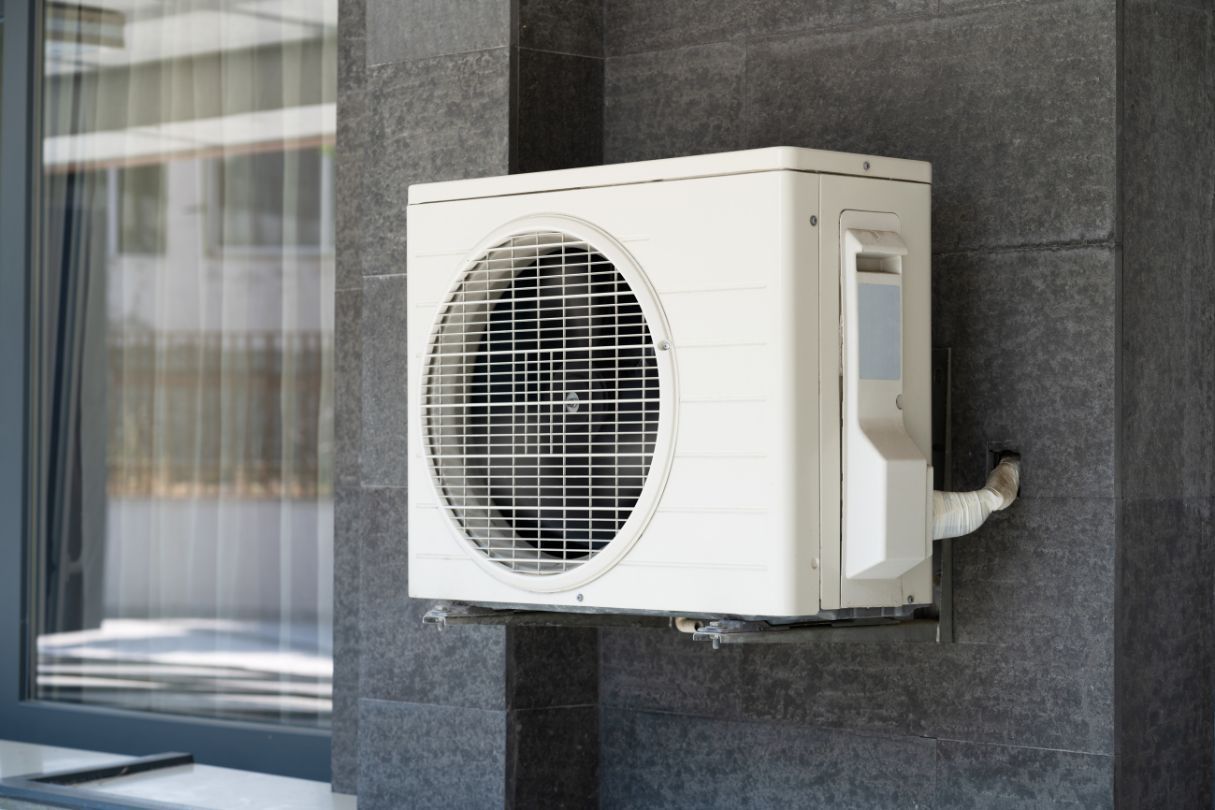
Maintaining the perfect environment is essential for any wine collection. Air source heat pumps provide a reliable and energy-efficient solution for controlling temperature and humidity—two critical factors in wine preservation.
Consistent Climate for Quality Wine Storage
Wine is sensitive to changes in its surroundings. Fluctuating temperatures or dry air can accelerate ageing or spoil a vintage's delicate balance. With a
heat pump, your wine cellar benefits from a system that can
heat or cool the space as needed, keeping the temperature stable throughout the year. More importantly, these systems help
regulate humidity, preventing corks from drying out or mould from forming.
Efficient and Cost-Effective Operation
One of the most substantial advantages of an
air source heat pump is its
energy efficiency. It uses ambient air to maintain desired conditions, which reduces electricity usage compared to traditional heating and cooling systems. This lowers energy costs and supports a more sustainable approach to managing your wine collection.
Quiet and Discreet Installation
Wine cellars are often places of quiet appreciation.
Heat pumps operate with minimal noise, and their compact design allows them to be installed discreetly. Whether your cellar is in a basement or custom-built above ground, a properly installed unit won’t disrupt the atmosphere.
Designed for Precision
Modern air-source heat pumps have intelligent controls that allow precise adjustments. You can monitor and tweak the temperature and humidity remotely, giving you peace of mind that your collection is always in ideal conditions.
You might also like