
Replacing an Oil Boiler in Rural Devon: Oil, LPG or Heat Pump, and What Each Really Costs
Devon has one of the highest proportions of off-gas-grid homes in England. Once you leave Exeter, Exmouth or Plymouth and head into the Culm Valley, mid-Devon or the Dartmoor fringe, mains gas simply stops, and something in the region of one in five properties in those rural parishes heats with oil. Most of those boilers were fitted between 2005 and 2015, and a well-maintained oil boiler lasts around 15 to 20 years. Which means a lot of Devon households are about to face the same decision at short notice, usually in January, usually when the thing has already stopped. The choice is not simply "another oil boiler or a heat pump". There are three realistic routes and the right one depends more on your building than your budget. Here is what each costs in 2026 and how to work out which fits.
Option One: Another Oil Boiler
A like-for-like oil boiler swap is the fastest and cheapest thing to do on the day. A modern condensing oil boiler installed in Devon runs roughly £3,600 to £5,500 fitted, depending on output, whether it is internal or an external cased unit, and how much of the pipework and controls get renewed at the same time.
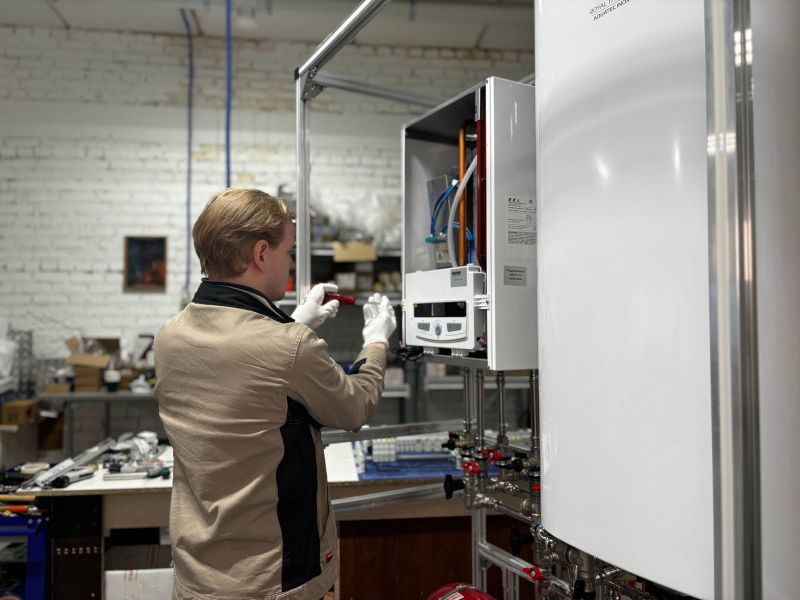
The efficiency gain is real if the old unit is a non-condensing model. A 1990s or early-2000s oil boiler runs somewhere around 65% to 75% seasonal efficiency. A current condensing model sits at 90% or better, which typically cuts oil use by a fifth to a quarter on the same house.
The catch is the tank. If your oil tank is single-skin, over 20 years old, or sitting within 10 metres of a watercourse or borehole, the installer will very likely tell you it needs replacing with a bunded tank to meet current Building Regulations Part J and pollution control rules. Budget £1,400 to £2,800 for a new bunded tank and base. That is the bit nobody prices for, and in a county with as many private water supplies and small streams as Devon it comes up constantly. Any oil work should be done by an OFTEC registered technician, and the completion certificate matters if you sell the house. If you are not sure what condition your tank is in, send us a photo of it through the Green Home Boilers and Heat Pumps website and we will tell you whether it needs dealing with now or can wait.
Option Two: Switching to LPG
LPG is the option people ask about least and regret most often.
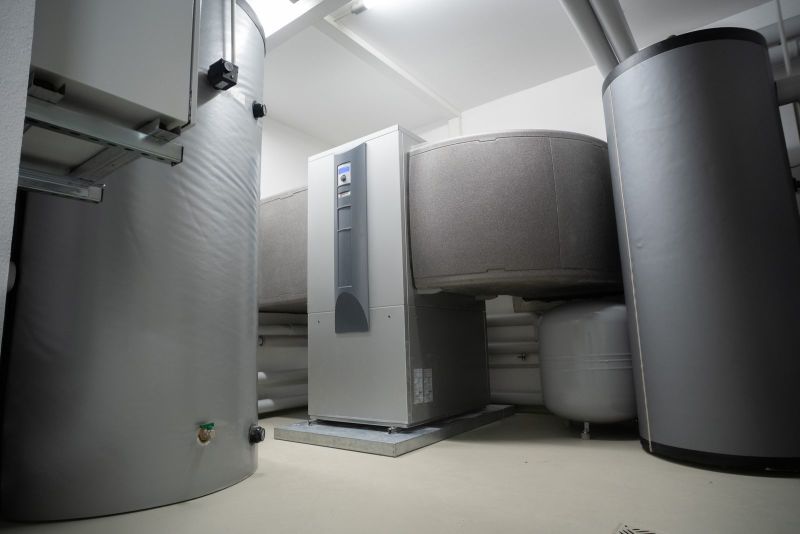
It usually makes sense in one specific situation: you want a gas hob and mains gas is never coming, or your oil tank has failed and there is no sensible place to put a new one. A gas-fired condensing boiler running on LPG costs £2,900 to £4,400 fitted, so the appliance itself is cheaper than an oil boiler.
The running costs are the problem. Per kWh delivered, bulk LPG has generally run somewhere between 25% and 60% more expensive than heating oil over the last decade, and you are usually tied into a supply contract with a tank rental. On a typical four-bedroom Devon house using around 18,000 to 22,000 kWh of heat a year, that difference is easily £400 to £900 annually. Unless you have a strong specific reason, it is hard to justify.
Option Three: An Air Source Heat Pump
Here is the part that surprises people. Devon is genuinely one of the better places in the UK for a heat pump, and the reason is the climate.
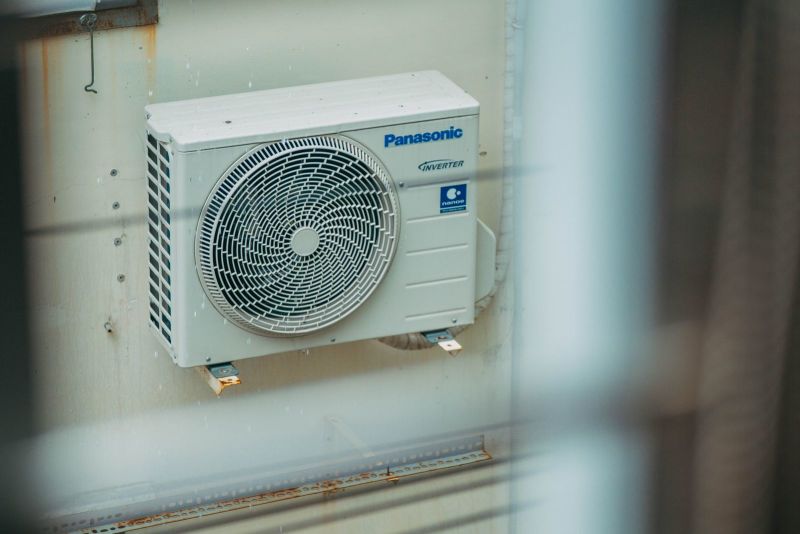
Air source heat pumps lose efficiency as outside temperatures drop. Devon's winters are mild by UK standards, with lowland areas typically seeing average winter minimums around 2 to 4°C and only a handful of days below freezing in a normal year. The Met Office UK climate averages show the South West consistently among the warmest regions in winter. A heat pump that struggles in Aberdeenshire in February behaves very differently on the Exe estuary.
Installed cost for an air source heat pump in Devon runs £9,000 to £15,500 before grant, covering the unit, cylinder, controls and commissioning. The Boiler Upgrade Scheme currently pays £7,500 towards it for eligible properties, applied for by your installer rather than by you, which brings the net figure down to roughly £1,500 to £8,000. You can check current eligibility and grant levels on the government's Boiler Upgrade Scheme page. The installer has to be MCS certified for the grant to apply.
Getting rid of the oil tank is a bigger deal than people expect. It frees up several square metres of garden, ends the annual worry about theft and leaks, and removes the winter juggling act of ordering 1,000 litres before the price goes up.
The radiator question
Heat pumps run at lower flow temperatures than oil boilers, usually 45 to 50°C rather than 70 to 80°C. That means some radiators need to be larger. In practice, on a typical Devon property we find around a third to a half of radiators need upsizing, at £180 to £350 each fitted. A proper room-by-room heat loss calculation tells you which, and any installer who quotes without doing one is guessing. We have written more about whether you need new radiators for a heat pump in Devon if you want the detail.
Running Costs Compared, on a Real Devon House
Take a detached four-bed on the edge of a mid-Devon village, solid walls partly upgraded, needing about 20,000 kWh of heat a year.
- Old non-condensing oil boiler at 70% efficiency: around 28,500 kWh of oil bought
- New condensing oil boiler at 92%: around 21,700 kWh of oil bought
- LPG condensing boiler at 92%: around 21,700 kWh of LPG bought
- Air source heat pump at a seasonal performance factor of 3.2: around 6,250 kWh of electricity bought
The heat pump uses roughly a third of the input energy. Whether that saves you money depends entirely on the ratio between your electricity price and your oil price on the day, which has moved around a lot since 2021. At the ratios seen through most of 2024 and 2025, a well-designed heat pump on a specialist heat pump tariff came out level with or modestly cheaper than oil. A badly designed one running at a seasonal performance factor of 2.4 came out worse. The design is the whole thing.
Cob, Stone and Solid Walls: Does the Building Rule It Out?
Not usually, but it changes the sizing.
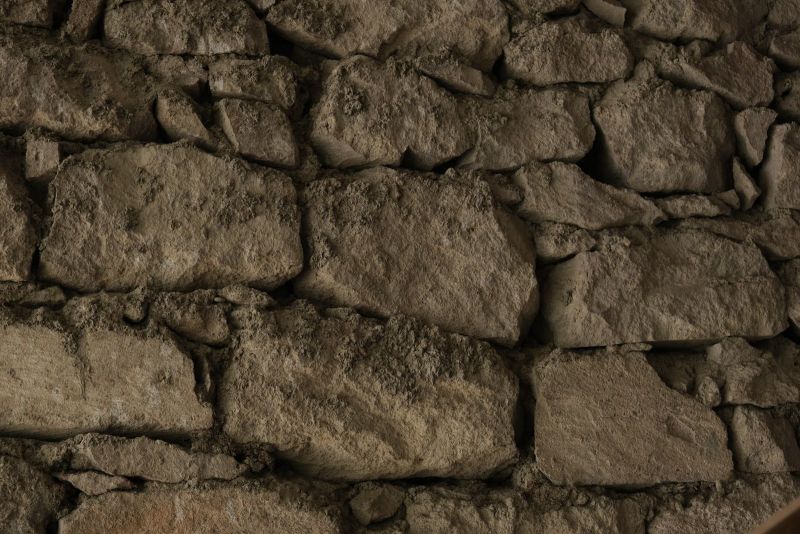
Devon has an unusual amount of cob and rubble stone construction, and those walls behave differently to modern cavity walls. They have high thermal mass, so they respond slowly, which actually suits the steady low-temperature output of a heat pump rather better than the on-off cycling of a boiler. What they do not have is much insulation value, so the heat loss figure is higher and the unit needs to be bigger.
Where it gets difficult is single-glazed windows in a listed cottage combined with an open fireplace and no loft insulation. In that case, fix the fabric first or accept a larger unit and a larger bill. What you should not do is put a 16kW heat pump into a house because a 16kW oil boiler was there before. Old boilers were routinely oversized by 50% or more.
Timing It Before the Boiler Dies
An emergency oil boiler replacement in the middle of a Devon February will cost you more and give you no real choice. You take what is available.
The sensible move is to get the assessment done in spring or summer while the old boiler is still limping along. That gives time for a proper heat loss survey, time to compare quotes, and time for the grant paperwork, which typically adds two to six weeks to a heat pump installation. It also means the work happens when a day without heating is an inconvenience rather than a crisis.
If the boiler is over 15 years old, has needed two or more repairs in the last three years, or the tank is single-skin and ageing, that is the moment to start looking rather than the moment to book another service.
Frequently Asked Questions
Is a heat pump worth it if my Devon home has solid cob walls?
Often yes, but the sizing and the emitter design matter more than in a modern house. Cob has high thermal mass and works well with steady low-temperature heat. Expect a larger unit and more radiator upgrades than a comparable cavity-wall property, and insist on a full room-by-room heat loss calculation before anyone quotes.

Can I keep my oil boiler and add a heat pump?
Yes, that is a hybrid system, and it suits some rural Devon properties well. The heat pump handles the bulk of the year and the boiler covers the coldest days and hot water peaks. It costs less than a full changeover but does not qualify for the same grant treatment in every case, so check eligibility before committing.
How long does an oil boiler replacement take?
A straightforward like-for-like swap is usually one to two days. Add a day if the flue is being relocated or the boiler is moving from internal to external. A new bunded tank and base adds another day and needs the ground preparing beforehand.
Do I need planning permission for an air source heat pump in Devon?
Most installations fall under permitted development if they meet the size, siting and noise conditions. Listed buildings, conservation areas, and parts of Dartmoor and Exmoor National Parks have tighter rules, and there you should check with the local planning authority before ordering anything.
You might also like