
Boiler Warranties in Devon: What Registration Gets You and What Voids Your Cover
A ten-year warranty sounds like a decade of not worrying about your boiler. In practice, a significant share of Devon homeowners who claim on one are told the cover lapsed years earlier, usually for a reason nobody mentioned on installation day. Manufacturers typically offer 5 to 12 years on a new boiler, but almost every one of those warranties is conditional on registration within 30 days, an annual service by a qualified engineer, and an installation that met the manufacturer's own specification. Miss any of the three and you are back to your statutory rights, which are considerably thinner. With around 22 million gas boilers in UK homes and a typical replacement costing £2,200 - £3,800 in Devon, that gap matters. Here is what the small print actually asks of you.
Registration Is Not Automatic
The single most common failure is the simplest. The warranty starts when the boiler is registered with the manufacturer, and that registration has a deadline, normally 30 days from installation.
Most installers do it for you as a matter of course. Some do not. Some intend to and forget when a job runs late. If nobody registers it, you typically fall back to a shorter default warranty, often two years, or in some cases none at all beyond your consumer rights against the installer.
Ask for the registration confirmation email or certificate before you pay the final invoice. It takes the installer two minutes and it is the cheapest insurance in the whole transaction. Green Home Boilers & Heat Pumps registers every installation and hands over the paperwork as part of the handover, but whoever fits your boiler, get it in writing.
Benchmark and Building Control
Registration with the manufacturer is separate from two other pieces of paperwork. The Benchmark commissioning checklist in the back of the boiler manual must be completed and signed by the installer at commissioning, and manufacturers will ask for it during a claim. Gas Safe registered installers must also notify Building Control, which generates a compliance certificate posted to you within a few weeks. Three documents, all needed, all easy to lose.
Annual Servicing: The Condition Everyone Breaks
Almost every extended warranty requires a service every 12 months by a Gas Safe registered engineer, with the record kept. Not roughly annually. Within twelve months of the last one.
Miss a service by two months and manufacturers are entitled to void the remaining cover. In practice, many will accept a late service with a reasonable explanation on a first offence, but that is discretion, not entitlement. A service in Devon costs £70 - £120, so the maintenance of a ten-year warranty runs somewhere around £700 - £1,200 over its life. Worth doing anyway, but worth knowing.
Keep the invoices. A verbal assurance that a neighbour's mate serviced it counts for nothing. What a manufacturer wants to see is a dated invoice from a Gas Safe business with the registration number on it, and the Gas Safe requirements for domestic gas work explain why that registration is not optional.
Installation Faults That Void Cover Immediately
This is where Devon's housing stock causes genuine problems, because many of the conditions relate to water quality and system cleanliness.
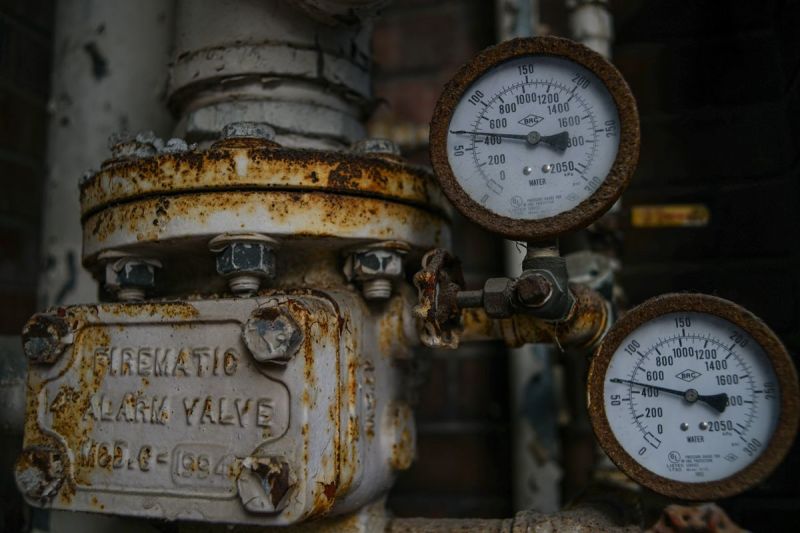
Nearly all manufacturers require the system to be flushed and dosed with inhibitor at installation, and most now require a magnetic system filter to be fitted. If a boiler fails with a blocked heat exchanger and there is no filter and no inhibitor, the claim is refused. It is not a technicality. Sludge from an old radiator circuit will wreck a modern heat exchanger inside a couple of years.
Other common voids: undersized gas supply pipework, incorrect flue termination distances, no condensate protection against freezing, and using a boiler outside its stated output range for the property. Some manufacturers also require the boiler to be installed by an engineer accredited by them specifically, particularly for the longest warranty periods of 10 or 12 years.
Devon's Rural Water and Older Systems
Around 20% of Devon homes are off the mains gas grid, and a large proportion of the county's housing predates 1945, particularly in the villages around Cullompton, Crediton and the Culm Valley. Old microbore pipework, cast iron radiators and decades of accumulated sludge are common.
If your installer says the system needs a power flush before the new boiler goes in, they are protecting your warranty as much as the boiler. It adds £400 - £700 to the job. Refusing it to save money is the most expensive false economy in domestic heating, and the manufacturer will ask what was done when you claim.
Heat Pump Warranties Work Differently
Air source heat pumps typically carry a 5 to 7 year manufacturer warranty on the unit, with some extending to 10 when installed by an accredited partner. The bigger difference is that heat pump installations funded through the Boiler Upgrade Scheme must be carried out by an MCS certified installer, and that certification brings its own workmanship guarantee separate from the product warranty.
That split confuses people. The manufacturer covers the hardware. The installer, through MCS and their consumer code, covers the design and workmanship. If your heat pump underperforms because the heat loss calculation was wrong, that is not a product fault and the manufacturer will not touch it.
Check the installer's MCS certification on the MCS installer database before signing anything, and confirm whether you are eligible for the Boiler Upgrade Scheme grant, which currently contributes a substantial sum towards an air source installation and can only be claimed through a certified installer.
What Your Warranty Does Not Cover
Even a live, properly maintained warranty has limits, and they catch people out at the worst moment.
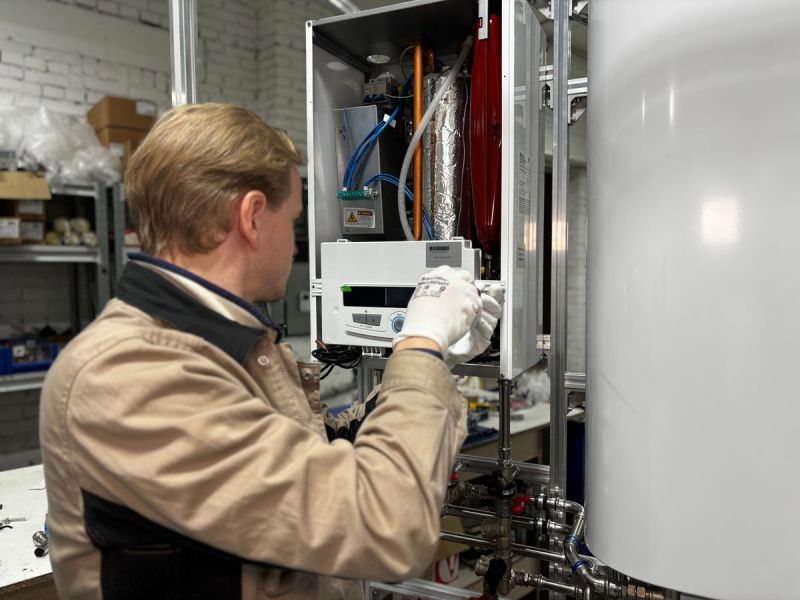
Parts and labour are usually both included on a manufacturer warranty, but call-out is sometimes separate. Damage from limescale, sludge, frozen condensate or incorrect system pressure is generally excluded as it is classed as a system fault rather than a boiler fault. Cosmetic damage, controls and thermostats supplied by someone else, and anything caused by a power surge are typically out.
The other exclusion worth flagging is consequential loss. If a boiler failure floods your kitchen ceiling, the manufacturer's warranty replaces the boiler part, not the ceiling. That is a home insurance matter.
Warranty Versus Boiler Cover: Do Not Buy Both
While a manufacturer warranty is live, a separate boiler cover policy at £15 - £30 a month largely duplicates it. Cover policies do add value once the warranty expires, and they usually include the annual service, but paying for both from year one wastes several hundred pounds.
The sensible pattern for most Devon households is to run on the manufacturer warranty with an annual service booked in, then reassess when it runs out. We have looked at whether boiler cover or one-off repairs work out cheaper in Exeter if you are weighing that decision now.
Making a Claim Without Losing a Week
Have three things ready before you phone: the boiler serial number, the installation date, and the last service invoice. Manufacturers ask for all three in the first two minutes.
Call the manufacturer directly rather than your installer if the boiler is in warranty. Their engineer network schedules the visit and there is no charge if the fault is covered. Response times are usually 24 - 72 hours, though in Devon the rural coverage is thinner and 48 hours is a more realistic expectation for anywhere west of Exeter or on the Culm Valley side.
If the claim is refused, ask for the specific warranty clause relied on. A surprising number of refusals are administrative rather than substantive, and get overturned when you produce a service record they had not found on the system.
Checks to Make Before Your Installer Leaves
Get the Benchmark checklist completed and signed. Get the manufacturer registration confirmation. Get the Building Control compliance notification reference. Get the inhibitor and filter noted on the invoice.
Ask what the warranty length actually is for your installation, not the headline number on the brochure - a 10-year figure often applies only when a specific filter is fitted and an accredited engineer installed it. Ask when the first service is due and put it in the calendar for eleven months, not twelve, because engineer availability in Devon tightens sharply from October onwards.
None of this is exciting. All of it is the difference between a free heat exchanger in year six and a £900 bill.
Frequently Asked Questions
How long do I have to register a new boiler in Devon?
Usually 30 days from the installation date, though a few manufacturers allow 60. Most installers register on your behalf, but it is your warranty at risk if they do not, so ask for the confirmation before paying the final balance. If you have missed the window, contact the manufacturer anyway with your installation invoice - many will register retrospectively on a first request.
Does missing an annual service really void a boiler warranty?
It can, and manufacturers are within their rights to enforce it. Most extended warranties require a service within every 12-month period by a Gas Safe registered engineer, with a dated invoice as evidence. Many manufacturers exercise discretion for a first late service, but relying on that is a gamble. A Devon service costs £70 - £120, which is small against a £900 heat exchanger.
Do I need a magnetic filter for my warranty to stay valid?
For most modern boilers, yes. Manufacturers increasingly require a magnetic system filter plus a flush and inhibitor at installation, and the longest warranties almost always specify it. On older Devon properties with microbore pipework or cast iron radiators it is essential regardless of warranty, because sludge from an existing circuit is the most common cause of premature heat exchanger failure.
Is a heat pump warranty the same as a boiler warranty?
No. Heat pump units typically carry 5 - 7 years from the manufacturer, sometimes 10 through accredited installers. Separately, an MCS certified installation carries a workmanship guarantee covering design and installation quality, which is what applies if the system underperforms because the heat loss calculation or radiator sizing was wrong. The manufacturer only covers hardware faults.
```json { "@context": "https://schema.org", "@type": "FAQPage", "mainEntity": [ { "@type": "Question", "name": "How long do I have to register a new boiler in Devon?", "acceptedAnswer": { "@type": "Answer", "text": "Usually 30 days from the installation date, though a few manufacturers allow 60. Most installers register on your behalf, but it is your warranty at risk if they do not, so ask for the confirmation before paying the final balance. If you have missed the window, contact the manufacturer with your installation invoice, as many will register retrospectively on a first request." } }, { "@type": "Question", "name": "Does missing an annual service really void a boiler warranty?", "acceptedAnswer": { "@type": "Answer", "text": "It can, and manufacturers are within their rights to enforce it. Most extended warranties require a service within every 12-month period by a Gas Safe registered engineer, with a dated invoice as evidence. Many exercise discretion for a first late service, but relying on that is a gamble. A Devon service costs £70 to £120 against a £900 heat exchanger." } }, { "@type": "Question", "name": "Do I need a magnetic filter for my warranty to stay valid?", "acceptedAnswer": { "@type": "Answer", "text": "For most modern boilers, yes. Manufacturers increasingly require a magnetic system filter plus a flush and inhibitor at installation, and the longest warranties almost always specify it. On older Devon properties with microbore pipework or cast iron radiators it is essential regardless, because sludge from an existing circuit is the most common cause of premature heat exchanger failure." } }, { "@type": "Question", "name": "Is a heat pump warranty the same as a boiler warranty?", "acceptedAnswer": { "@type": "Answer", "text": "No. Heat pump units typically carry 5 to 7 years from the manufacturer, sometimes 10 through accredited installers. Separately, an MCS certified installation carries a workmanship guarantee covering design and installation quality, which applies if the system underperforms because the heat loss calculation or radiator sizing was wrong. The manufacturer only covers hardware faults." } } ] } ```
You might also like