
Switching From Storage Heaters to a Heat Pump in Tiverton: Costs, Rewiring and What to Expect
Tiverton has more homes running on electric storage heaters than most Devon towns realise, particularly out towards Bickleigh, Sampford Peverell and the villages that never got a mains gas connection. Storage heaters convert electricity to heat at close to 100% efficiency, but Economy 7 unit rates plus the inefficiency of guessing how much heat you'll need by 4pm the day before make them one of the most expensive ways to heat a home in the country. A well-specified heat pump moves roughly three to four units of heat for every unit of electricity it uses, which is why so many storage heater households in and around Tiverton are now asking what switching from storage heaters to a heat pump actually involves. The honest answer is that it's more than a straight swap - the electrics and the radiators usually need attention too. Here's what changes, what it costs, and what a realistic timeline looks like.
Why Tiverton's Storage Heater Homes Are Looking at Heat Pumps Now
Storage heaters were the default answer for decades of off-gas-grid building in Mid Devon, and Tiverton's mix of 1960s-80s estates and older cottages on the town's edges has plenty of them. The problem homeowners run into isn't the concept, it's the control. You're charging the heater overnight based on a guess about tomorrow's weather, and if you guess wrong you're either cold in the evening or paying for heat you never used.
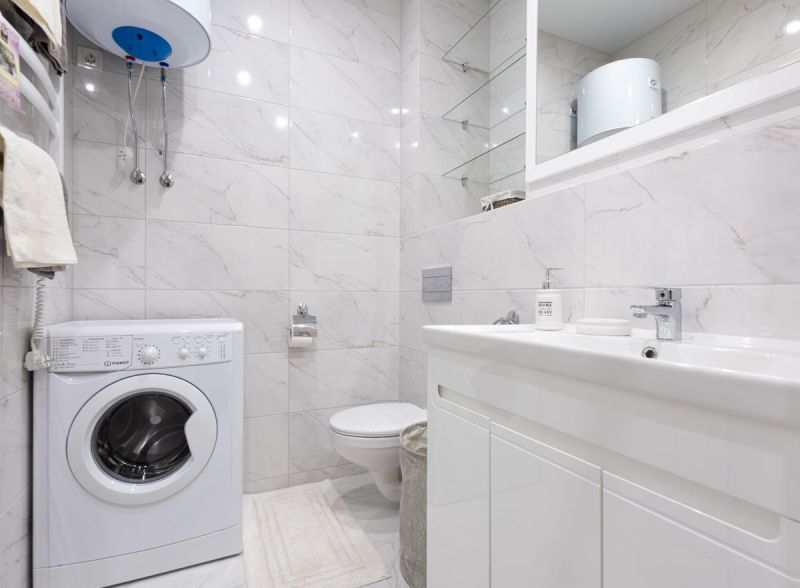
A heat pump replaces that guesswork with a system that responds to the actual temperature in the room, heating continuously at a low output instead of dumping heat in one overnight block. Don't guess from a brochure whether your particular property is a good candidate. Get a proper survey done through the Green Home Boilers & Heat Pumps website before you commit to anything.
The other driver is simply that storage heaters are ageing out. Many in Tiverton's older stock are 20-30 years old, well past a realistic service life, and replacing like-for-like with new storage heaters is increasingly hard to justify against the running cost difference.
What Changes When You Swap Storage Heaters for a Heat Pump
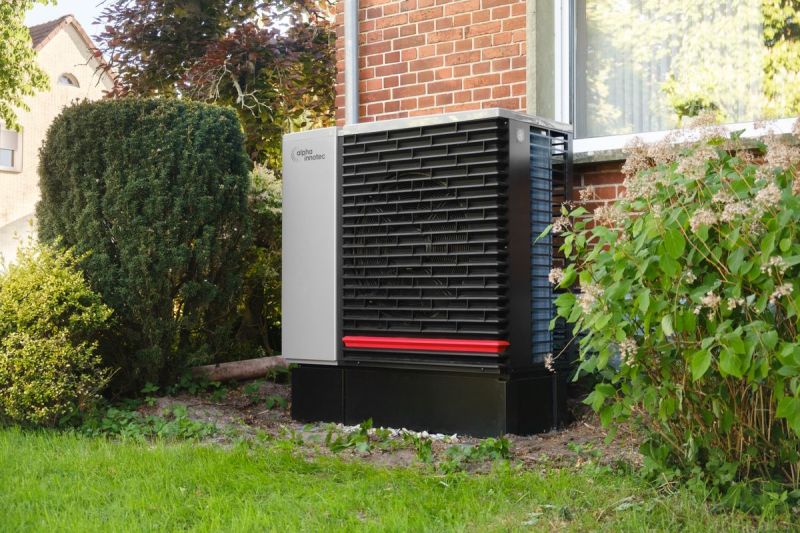
Instead of a wall-mounted box in every room, the heat source becomes a single outdoor unit, and instead of one overnight charge, heat gets delivered continuously through the day. That's the headline shift. Three things underneath it matter more for planning the job.
First, storage heaters are self-contained - each one takes a single dedicated circuit and does its own thing. A heat pump is one central system feeding radiators or underfloor pipework around the house, so new pipework has to go in wherever a storage heater used to sit. Second, storage heaters ran hot and fast; a heat pump runs at a much lower flow temperature, typically 35-45°C against the 60-70°C a wall heater's element reaches, so whatever replaces the storage heater in each room needs sizing for that lower temperature.
Third, and this catches people out: the electrical supply that fed a bank of storage heaters isn't necessarily wired the way a heat pump needs it. That's worth understanding before you get quotes, because it's usually the biggest variable in the final price.
The Electrical Work: Consumer Unit, Cabling and Whether You Need a Full Rewire
Most Tiverton homes on storage heating already have a reasonably substantial electrical supply, since storage heaters are power-hungry. That's actually a point in your favour. A heat pump draws its load differently though - a continuous, moderate current instead of storage heaters' short overnight surge - and it needs its own dedicated circuit from the consumer unit, sized correctly by the installer's electrician.
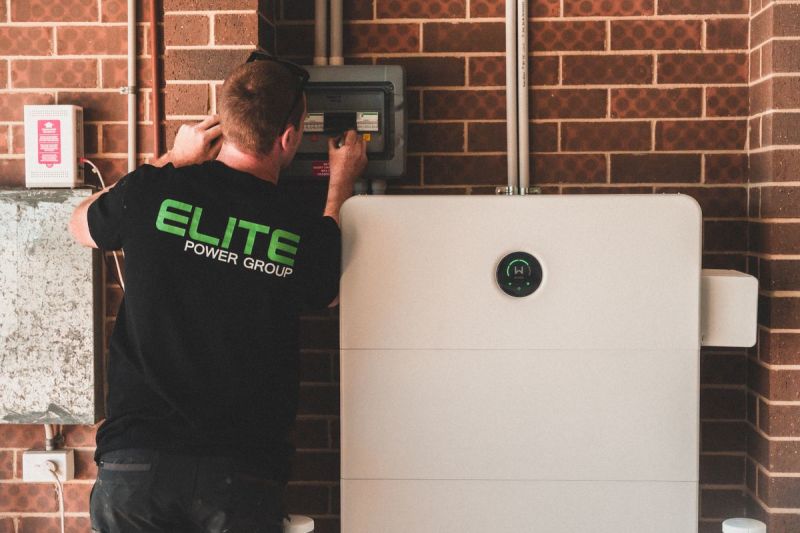
In practice, expect a new circuit and breaker for the heat pump's outdoor unit, possibly a consumer unit upgrade if the existing board is old or has no spare ways, and removal of the old storage heater circuits (leaving them isolated instead usually fails an EICR later, so most installers won't do it). A full house rewire is the exception, not the rule. It's usually only needed if the property's wiring predates the 1980s or an inspection turns up faults unrelated to the heating swap itself. Budget for an Electrical Installation Condition Report as part of your quoting process - it's the only way to know for certain.
Finding a Properly Qualified Installer for the Electrical and Heat Pump Work
The heat pump installer and the electrician doing the consumer unit work don't have to be the same firm, but they need to talk to each other, and the heat pump company itself needs to be MCS certified if you want to claim the government grant. We've written in more detail about what MCS certification actually covers and doesn't cover for Devon homeowners- read that before you start collecting quotes. For the electrical side specifically, check a contractor against the MCS installer database and the TrustMark register of vetted tradespeople. Both are free to search and both list which trades and postcodes a firm actually covers.
Mid Devon has fewer MCS-certified heat pump installers than Exeter or Plymouth - there's simply less housing density to support them - so build in a longer lead time for quotes and get on a schedule early. Next-week availability isn't realistic out here.
Radiators and Emitters: Why Storage Heater Properties Almost Always Need New Ones
This is the step people underestimate most. A property that's run on storage heaters for 20 years has no radiators at all - there's nothing to reuse. Every room needs an emitter, and because a heat pump runs at a lower flow temperature than a gas boiler ever would, those emitters need to be sized generously to compensate.

A radiator that would comfortably heat a bedroom at 70°C flow temperature needs roughly double the surface area to put out the same heat at 40°C. That's not a heat pump weakness, it's physics, and a good installer's heat loss calculation will size every radiator, or underfloor loop, around it properly instead of fitting whatever's cheapest. Since the pipework is going in from scratch anyway, this is also the point to consider underfloor heating - it suits low flow temperatures even better than radiators do.
Radiator and pipework installation ends up the most disruptive part of the job, more so than fitting the heat pump itself, because it touches every room in the house instead of one exterior wall.
What It Actually Costs in Tiverton: Heat Pump, Rewiring, Radiators and the Grant
For a typical 3-bedroom Tiverton property moving off storage heaters, the all-in cost before any grant usually falls somewhere between £11,000 and £16,000 - that range sits above a straightforward boiler-to-heat-pump swap because it includes a full set of new radiators or underfloor loops plus the electrical work, neither of which a gas-to-heat-pump conversion typically needs from scratch.
The Boiler Upgrade Scheme grant, currently £7,500 towards an air source heat pump installed by an MCS-certified installer, applies here the same way it does to any qualifying property, bringing a typical job down to roughly £3,500-£8,500 once the voucher is applied. The installer claims the grant and deducts it from your quote - you don't claim it yourself afterwards, so it should already show up as a deduction on any quote you're given.
Get at least three quotes and ask each installer to itemise the electrical work and radiator upgrades separately from the heat pump and cylinder cost - it's the only way to compare quotes properly when the underlying scope of work can vary this much between firms.
What Happens During Installation Week
Most full storage-heater-to-heat-pump conversions in a 3-bedroom Tiverton home take five to eight working days on site, longer than a straightforward boiler swap because of the radiator and electrical work. The first day or two is usually the electrician: new circuits, consumer unit changes if needed, and first-fix cabling to where the outdoor unit will sit.
Radiator and pipework installation typically takes the middle two to four days, room by room, with old storage heaters removed as their replacement goes in so you're not without heat in a room for longer than necessary. The heat pump itself, the cylinder, and final commissioning usually happen in the last one to two days, including the installer's own testing and the paperwork that registers the system with MCS.
You'll be without full heating in the affected rooms for parts of this, though a good installer will sequence the work to avoid leaving the whole house cold overnight, particularly if the job runs into autumn or winter.
Running Costs After the Switch: Tariffs, Insulation and Realistic Savings
This is where switching from storage heaters to a heat pump usually pays off, though how much you save depends heavily on your electricity tariff. Storage heaters are built around Economy 7 or Economy 10 tariffs, where a large chunk of daily usage happens in a cheap overnight window. Heat pumps run continuously through the day instead, so the tariff structure that made storage heaters affordable doesn't necessarily suit them. Review your tariff once the heat pump goes in. Don't assume the old rate still makes sense.
Even so, because a heat pump moves three to four units of heat per unit of electricity against the roughly one-to-one of a storage heater's resistive element, most Tiverton households moving across still see a meaningful drop in total heating spend before the tariff question even comes into it. Insulation matters more with a heat pump than it did with storage heaters, since heat is delivered continuously at a lower temperature. A well-insulated loft and reasonable draught-proofing genuinely change how hard the system has to work through a Mid Devon winter, and night-time temperatures in the Exe Valley regularly sit a degree or two colder than Exeter and the coast.
Frequently Asked Questions
Do I need a full rewire to switch from storage heaters to a heat pump?
Usually not. Most homes need a new dedicated circuit for the heat pump and sometimes a consumer unit upgrade, but a full rewire is only needed if the existing wiring is genuinely old or faulty, which an EICR will confirm before work starts.
Why do storage heater homes need new radiators for a heat pump?
Because there aren't any existing ones to reuse, and because a heat pump runs at a much lower flow temperature than the wall-mounted elements in a storage heater, so whatever's fitted needs to be sized larger to deliver the same heat output at that lower temperature.
How much does it cost to switch from storage heaters to a heat pump in Tiverton?
A typical 3-bedroom property usually costs £11,000-£16,000 before any grant, covering the heat pump, cylinder, radiators or underfloor pipework, and the electrical work. The £7,500 Boiler Upgrade Scheme grant, where the property and installer qualify, usually brings that down to roughly £3,500-£8,500.
Will my heating bills definitely go down after switching?
Most households moving from storage heaters to a heat pump see lower running costs, because a heat pump delivers three to four units of heat per unit of electricity compared to close to one for a storage heater's element. The exact saving depends on your tariff and your home's insulation, so review your electricity tariff once the system is in instead of assuming the old Economy 7 rate is still the best option.
You might also like